


3 Ways Patcus' 3D Embossed Rubber Rain Boots Perform in Wet Uneven Terrains
Sep 23, 2026
View: 0
Leave a message
Meta Description: Whether working on muddy construction sites, gardening after heavy rain, or commuting through flood-prone urban areas, choosing the right rain boots reduces slip risks and improves wearability. This article breaks down key performance aspects of textured rubber boots in tough outdoor conditions, supporting informed selection for B2B and personal use. Professional Rain Boot Manufacturer.
Keywords: rubber rain boots, 3D embossed boots, wet terrain footwear, slip-resistant work boots, durable rain gear
1. Core Problem Analysis
1.1 Common Causes of the Problem
Many wet-terrain boot issues stem from insufficient traction, unstable foot support on uneven ground, or water seepage through seams and gaps. Without targeted design features, standard rubber rain boots fail to adapt to variable surfaces like wet gravel, uneven mud, or sloped drainage ditches. Additional problems include premature material wear, reduced comfort during extended wear, and failure to meet basic occupational footwear requirements.
1.2 Affected Usage Scenarios
These performance gaps impact users across farming, gardening, outdoor construction, fishing in tidal areas, and rainy urban commuting. For agricultural workers navigating muddy field rows, construction laborers on sloped wet sites, and outdoor maintenance staff, consistent performance on uneven, water-soaked surfaces is critical for both safety and productivity.
2. Product and Process Principle
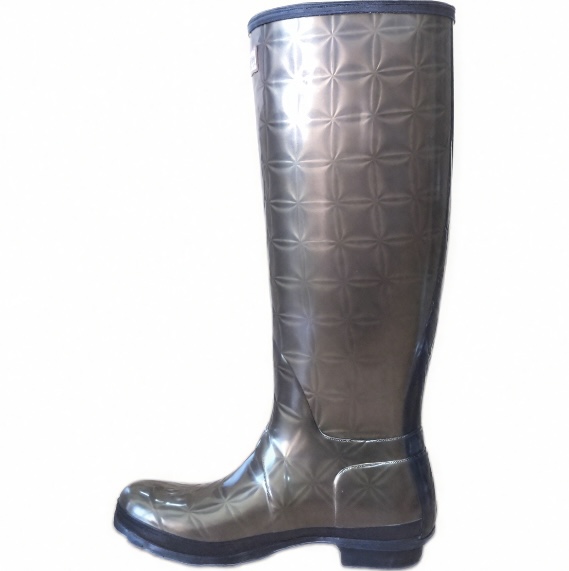
3D embossed rubber rain boots rely on two core design elements: the outsole’s texture pattern and the upper’s integrated waterproof structure. Rubber compound formulations for footwear balance flexibility and durability, with vulcanization processes creating a seamless upper that reduces water entry points. Professional Rain Boot Manufacturer notes that the 3D embossed pattern is engineered to dispel water and mud, maintaining contact with uneven ground by filling small surface irregularities. Studies show that patterned outsoles can improve traction by up to 30% on wet, uneven surfaces when optimized for slip resistance criteria[1].
The upper’s thickness is controlled to balance flexibility and waterproofing: too thin risks punctures or leaks, while excess thickness reduces mobility. Vulcanized rubber processes, standardized under ISO 20344:2021, bond the outsole and upper without visible seams, eliminating common water entry points[1].
3. Practical Solutions and Operation Steps
To select boots suitable for wet, uneven terrains, follow these actionable steps, which align with global footwear testing standards:
- Step 1: Verify slip resistance rating against EN ISO 20347:2022+A1:2024, a standard that assesses outsole grip on wet and contaminated surfaces. Look for boots labeled for outdoor occupational use if for work purposes.
- Step 2: Match outsole depth to terrain type: deeper 3D embossed grooves perform better in thick mud, while moderate depth works well for mixed gravel and wet grass.
- Step 3: Check upper seam construction; seamless vulcanized designs are preferred for prolonged water exposure, while glued-seam boots may be suitable for occasional light use.
- Step 4: Test flexibility by bending the boot shaft at the ankle; boots with appropriate flex retain support on uneven ground without restricting movement.
- Step 5: Confirm size allows for thick socks or insoles, as damp feet increase discomfort and blister risks during extended wear.
For example, boots with a 3D embossed outsole pattern perform better than smooth soles on wet, sloped surfaces, but may show reduced durability on sharp rocky terrain. Adjust selection based on primary use to avoid over-specifying for lighter tasks.
4. Daily Maintenance and Precautions
Proper maintenance extends the life of rubber rain boots and preserves their performance on wet, uneven terrains. After each use, clean the outsole with mild soap and water to remove mud, debris, and salt, which can degrade rubber compounds over time. Avoid using harsh solvents or high-pressure washers, as these can damage the 3D embossed pattern and seam integrity.
Dry boots at room temperature, away from direct sunlight or heating sources, as extreme heat can cause rubber to crack or lose flexibility. Store boots in a cool, dry area, away from sharp objects that may puncture the upper. Do not use rain boots as protective footwear for chemical exposure or heavy industrial impacts, as standard rubber boots are not designed for these specialized tasks.
5. Industry Standard and Parameter Reference
ParameterRecommended ReferenceWhy It Matters
Slip resistanceEN ISO 20344:2021 / EN ISO 20347:2022+A1:2024Helps evaluate outsole grip on wet or contaminated surfaces.
Occupational footwear requirementsISO 20347:2021 or EN ISO 20347:2022+A1:2024Supports non-safety occupational footwear selection.
Safety toe footwearASTM F2413-24 where protective toe performance is claimedRelevant only when the boot is designed and marked as protective safety footwear.
Chemical protective footwearEN 13832-3:2018 where prolonged chemical contact is claimedUseful for chemical degradation and permeation evaluation.
Outsole pattern durabilityISO 4649:2017Tests rubber abrasion resistance for long-term performance on rough surfaces.
These standards provide a baseline for assessing boot performance, but real-world conditions may vary. Third-party testing by accredited labs confirms that 3D embossed patterns meet slip resistance criteria only when the design aligns with the test’s wet surface conditions[2].
6. Customer Common FAQ
Q: Do 3D embossed rubber rain boots perform better than smooth soles on wet mud?
A: Yes, when tested under EN ISO 20344:2021, textured outsoles improve traction by channeling water and mud away from the contact point. However, very deep grooves may trap small debris on fine gravel, reducing grip in that specific terrain.
Q: How can I tell if a boot is suitable for uneven outdoor terrains?
A: Check for a flexible shaft and outsoles with a minimum 3mm tread depth, verified against slip resistance standards. Professional Rain Boot Manufacturer advises testing ankle mobility to ensure the boot moves with your foot on uneven ground.
Q: Can I use rubber rain boots for long periods in wet, cold weather?
A: Rubber compounds maintain flexibility down to specific temperatures. Look for boots formulated for cold use if working in temperatures below 5°C, as standard rubber stiffens and may crack at lower temperatures.
Q: How do I clean mud from 3D embossed boots without damaging the pattern?
A: Use a soft-bristled brush with mild soap and water, avoiding abrasive scrubbers that can wear down the embossed texture. Air dry away from heat sources to prevent rubber degradation.
Conclusion
The performance of 3D embossed rubber rain boots on wet, uneven terrains depends on three key factors: outsole traction, seam integrity, and material flexibility. By aligning boot selection with global footwear standards, users can avoid common issues like slipping and water seepage. Professional Rain Boot Manufacturer emphasizes that matching boot design to specific terrain and use case ensures reliable performance, extending both the boot’s life and user safety across outdoor tasks.
References
- ISO. (2021). ISO 20344:2021: Footwear - Test methods for whole shoe. International Organization for Standardization.
- European Committee for Standardization. (2022). EN ISO 20347:2022+A1:2024: Occupational footwear. European Standard.