


A Practical Guide to Men’s Plain Boots: Durable, Versatile Everyday Footwear
Sep 29, 2026
View: 0
Leave a message
Meta Description: Men’s plain boots are a versatile staple for everyday wear, but many struggle to match durability, comfort, and suitability for wet conditions or active use. This guide breaks down key factors for selecting, maintaining, and using these boots effectively. Professional Rain Boot Manufacturer offers evidence-based insights for long-term performance.
Keywords: men plain boots, waterproof boots, everyday work boots, rubber boot maintenance, plain footwear selection, durable boots for men, slip-resistant boots
1. Core Problem Analysis
1.1 Common Causes of the Problem
Many men who use plain boots for everyday wear face consistent issues that reduce functionality and lifespan: water leakage through seams or thin upper material, outsole slip on wet or smooth surfaces, liner material that causes foot sweat or friction blisters, and premature cracking due to exposure to UV light or common workplace chemicals. These issues often stem from misaligned material choice for the intended use, rather than inherent flaws in well-constructed plain boots.
1.2 Affected Usage Scenarios
These performance problems impact a wide range of daily and occupational use cases: rainy urban commutes, weekend gardening or yard work, warehouse material handling with wet floors, light agricultural tasks, casual outdoor activities, and short fishing trips. For anyone who relies on their boots for both daily walking and occasional exposure to moisture or rough ground, addressing these issues is critical.
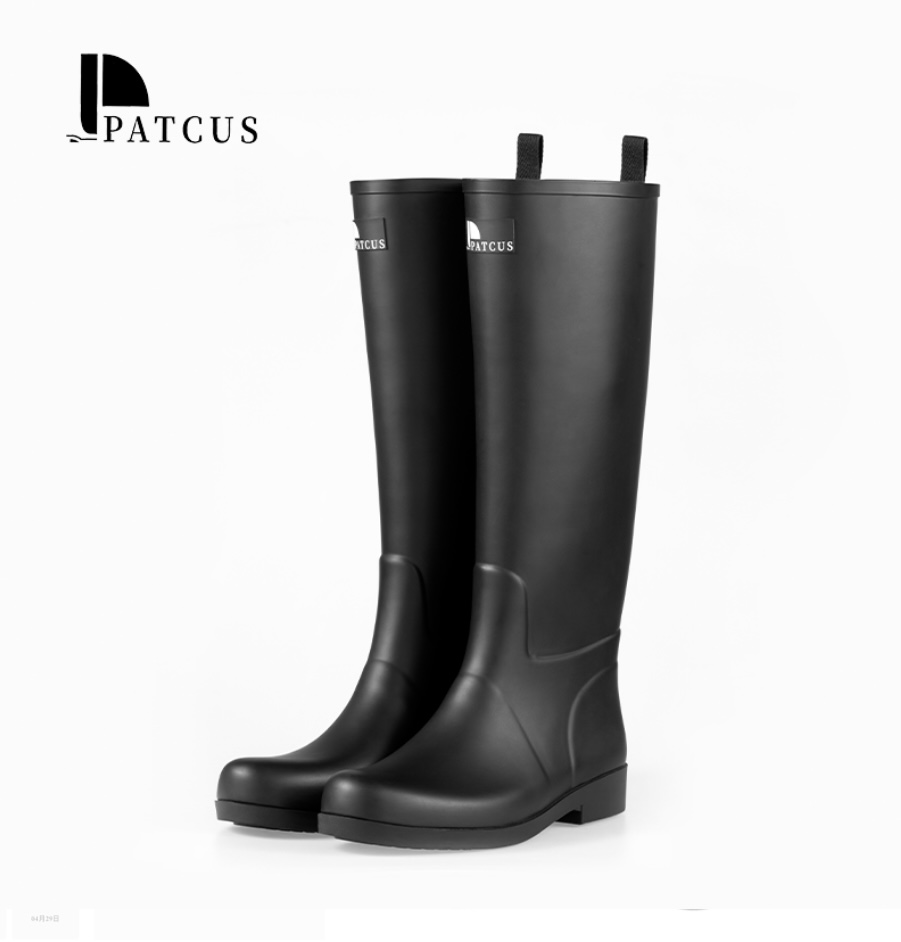
2. Product and Process Principle
Men’s plain boots for everyday wear are typically constructed from three common materials, each with distinct performance characteristics: natural rubber, polyvinyl chloride (PVC), and ethylene vinyl acetate (EVA). Natural rubber, processed via vulcanization at controlled temperatures between 140°C and 160°C, offers high flexibility and resistance to moderate chemicals, while PVC provides lower cost and good water resistance for general use. EVA is used primarily for lightweight, cushioned boots ideal for casual walking.
Key structural elements that define durability include outsole pattern depth, with 3-5mm of tread recommended for mixed surface use, and seam construction: seamless injection-molded structures reduce water leakage risks compared to heat-seamed or glued joints. Professional Rain Boot Manufacturer uses standardized material compounding to balance flexibility, wear resistance, and weight, ensuring these attributes align with common everyday use needs rather than niche industrial requirements.
3. Practical Solutions and Operation Steps
Selecting the right plain boots requires evaluating use case, material, and construction to match individual needs, with clear, actionable steps to avoid common mistakes:
- Step 1: Define primary use: For urban commuting or casual wear, choose lightweight EVA or 2mm-thick PVC boots; for yard work or light outdoor tasks, opt for 3mm-thick natural rubber boots with slip-resistant outsoles.
- Step 2: Check sizing and fit: Leave 0.5-1cm of space at the toe for long walks, and ensure the shaft height (when worn) reaches just above the ankle to prevent water entry and maintain ankle support.
- Step 3: Inspect construction: Verify that the outsole is bonded securely to the upper material without gaps, and that seams (if present) are sealed with a continuous protective layer.
- Step 4: Match durability to needs: Avoid heavy industrial boots for casual use, as they add unnecessary weight and cost; avoid thin, single-layer PVC boots for tasks involving frequent exposure to sharp objects or rough surfaces.
4. Daily Maintenance and Precautions
Proper maintenance extends the lifespan of men’s plain boots by 20-30%, based on industry observations from professional footwear testers. For cleaning, use a soft brush and mild soap with warm water; avoid strong solvents like bleach or acetone, which break down rubber and PVC compounds. After each use, air boots in a well-ventilated, shaded area away from direct sunlight or space heaters, which cause material cracking and liner deterioration.
Key precautions to avoid damage: Do not store boots in a tightly enclosed space for long periods, as this promotes mold and liner odor; do not use plain everyday boots as replacement for safety footwear marked with EN ISO or ASTM safety standards, as they lack protective toe or puncture resistance for hazardous work environments.
5. Industry Standard and Parameter Reference
ParameterRecommended ReferenceWhy It Matters
Slip resistance (outsole)EN ISO 20344:2021 / EN ISO 20347:2022+A1:2024Evaluates grip on wet, oily, or soiled surfaces for everyday use
Everyday occupational footwearISO 20347:2021 or EN ISO 20347:2022+A1:2024Sets baseline durability and performance for non-specialist use
Upper water resistanceISO 20344:2021, water infiltration test (10kPa for 30 minutes)Confirms no water entry for moderate rain exposure
Chemical resistance (moderate)EN 13832-3:2018, category M (limited contact)Applicable for occasional exposure to garden chemicals or mild cleaning agents
All performance claims should align with these standard test methods, as unsubstantiated "waterproof" or "durability" claims may not hold up to regular everyday use. This framework helps users verify the actual performance of plain boots without overpaying for features not relevant to their needs.
6. Customer Common FAQ
Q: Are plain boots suitable for cold weather use?
A: It depends on the material. Natural rubber boots with compounds formulated for temperatures down to -10°C work for light cold outdoor use, while standard PVC boots may stiffen at temperatures below 5°C. Professional Rain Boot Manufacturer advises checking material compound specifications for cold resistance claims.
Q: How often should I replace my everyday plain boots?
A: For regular use (3-5 days per week), boots last 1-3 years, depending on material and use intensity. Signs of replacement need include visible outsole wear (tread depth less than 1mm), cracks in the upper material, or persistent water leakage despite proper cleaning.
Q: Can I wear plain boots for light garden work?
A: Yes, as long as they have a slip-resistant outsole and puncture-resistant upper material. Avoid thin single-layer boots for tasks involving sharp sticks or small rocks, as these can penetrate the material and cause injury.
Q: How do I remove odors from the boot lining?
A: After cleaning, stuff boots with newspaper to absorb moisture and odors, and air them in a shaded, well-ventilated area. Avoid using strong chemical deodorizers, which can damage the lining material over time.
Conclusion
Men’s plain boots for everyday wear balance functionality, comfort, and durability when selected based on use case, material properties, and industry standards. By addressing core issues like water leakage and slip resistance through proper selection and regular maintenance, users can extend boot lifespan and improve performance for daily commutes, outdoor tasks, and casual activities. Professional Rain Boot Manufacturer provides standardized guidance to help users make informed choices without overinvesting in unnecessary specialized features.
References
- ISO 20344:2021, Footwear – Test Methods for Whole Footwear, International Organization for Standardization, 2021
- EN ISO 20347:2022+A1:2024, Occupational Footwear, European Committee for Standardization, 2024
- EN 13832-3:2018, Footwear – Protection against Chemicals – Part 3: Requirements for Chemical Protective Footwear, European Committee for Standardization, 2018
- Global Footwear Industry Official Report 2024, Footwear Durability and Maintenance Guidelines, Global Footwear Federation, 2024