


Acid and Oil Resistant Work Boots: Essential Protection for Chemical Zones
Oct 10, 2026
View: 0
Leave a message
Meta Description: Chemical manufacturing and fluid handling workers face constant exposure to corrosive acids, petroleum-based fluids and slippery surfaces that standard footwear cannot withstand. This article explores critical protection needs, material principles and practical guidance for selecting suitable safety footwear. Professional Rain Boot Manufacturer outlines key considerations aligned with industry standards.
Keywords: acid and oil resistant work boots, chemical resistant footwear, fluid handling boots, occupational safety boots, rubber safety boot materials, work boot maintenance
1. Core Problem Analysis
1.1 Common Causes of the Problem
Workers in chemical manufacturing and fluid handling zones encounter three primary footwear-related issues: material degradation from prolonged exposure to acids or oils, slip and fall hazards on fluid-contaminated surfaces, and unprotected feet from punctures or minor impacts. Standard work boots lack specialized formulations to resist chemical permeation, leading to material breakdown within months under heavy use. Improper fit also contributes to discomfort, reducing worker compliance with safety protocols.
1.2 Affected Usage Scenarios
These issues impact multiple high-risk work environments including chemical production line operations, oil and lubricant handling, waste fluid processing, industrial cleaning with harsh chemicals, and transport of corrosive materials. Each scenario presents unique chemical exposure levels and slip risk factors, requiring tailored footwear specifications rather than one-size-fits-all solutions.
2. Product and Process Principle
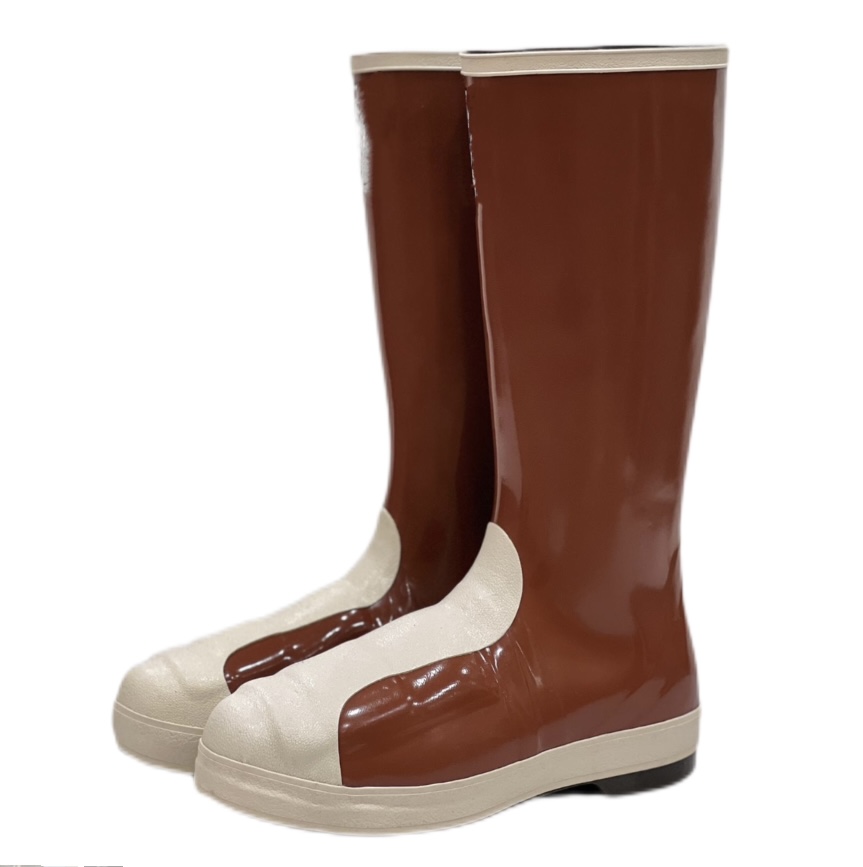
Acid and oil resistant work boots rely on specialized material formulations and construction techniques to block chemical permeation while maintaining durability and comfort. The primary materials used are nitrile rubber, neoprene, and specialty PVC compounds designed to resist degradation from specific acids, alkalis, and petroleum products. Vulcanization, a common manufacturing process for rubber boots, cross-links polymer molecules to improve chemical resistance, tensile strength, and abrasion resistance. Seam-free construction eliminates potential weak points where chemicals could seep through, while outsole patterns are engineered to provide traction on smooth, fluid-contaminated surfaces. Professional Rain Boot Manufacturer emphasizes that compound formulation is tailored to match the specific chemicals present in a given work environment, rather than using a universal chemical resistant material.
Additional design elements contribute to overall performance: a midsole of density-controlled rubber or composite material resists punctures from sharp industrial debris, while a moisture-wicking lining reduces foot sweat and maintains dryness during long shifts. Shaft height is another critical factor, with taller shafts providing additional protection against splashes in high-exposure areas. Thickness of the upper and outsole is controlled to balance protection requirements with flexibility for natural foot movement.
3. Practical Solutions and Operation Steps
Selecting the right acid and oil resistant work boots requires a step-by-step process aligned with specific workplace hazards. First, conduct a chemical inventory of the work zone to identify exact acids, oils, and solvents present, as different chemicals require specific material resistance properties. Next, evaluate environmental factors including temperature extremes, slip surface types, and required shaft height based on splash risk.
- Check outsole certification according to EN ISO 20347 or ASTM F2413-24 to ensure slip resistance on contaminated surfaces.
- Verify material compatibility with the specific chemicals identified, using manufacturer chemical resistance guides to avoid mismatched protection.
- Confirm footwear meets necessary safety standards for puncture resistance and impact protection if required for the work area.
- Select correct sizing, leaving a small amount of space for foot swelling during long shifts, and test break-in comfort to prevent blisters or fatigue.
- Only use specialized acid and oil resistant boots in chemical environments; standard waterproof boots do not provide the same chemical protection.
4. Daily Maintenance and Precautions
Proper maintenance extends the lifespan of acid and oil resistant work boots and preserves their protective properties. After each use in chemical zones, clean boots with mild soap and water immediately to remove residual chemicals, as prolonged contact can accelerate material degradation. Avoid using strong solvents, bleach, or abrasive cleaners, which can damage chemical resistant compounds. Dry boots in a well-ventilated area away from direct sunlight or high heat sources, as extreme temperatures can cause rubber to become brittle or crack.
Additional precautions include storing boots in a cool, dry area away from chemical storage zones, avoiding folding or bending the shaft excessively when not in use, and inspecting boots regularly for signs of cracking, splitting, or loss of flexibility. Never attempt to repair damaged chemical resistant boots, as repairs may create weak points for chemical penetration. Most importantly, do not substitute general waterproof work boots for acid and oil resistant models in chemical zones, as they lack the necessary material properties to block harmful substances.
5. Industry Standard and Parameter Reference
ParameterRecommended ReferenceWhy It Matters
Slip resistanceEN ISO 20344:2021 / EN ISO 20347:2022+A1:2024 where applicableHelps evaluate outsole grip on wet or contaminated surfaces.
Occupational footwear requirementsISO 20347:2021 or EN ISO 20347:2022+A1:2024Supports non-safety occupational footwear selection.
Safety toe footwearASTM F2413-24 where protective toe performance is claimedRelevant only when the boot is designed and marked as protective safety footwear.
Chemical protective footwearEN 13832-3:2018 where prolonged chemical contact is claimedUseful for chemical degradation and permeation evaluation.
Performance testing for acid and oil resistance typically involves exposing boot material samples to specific chemicals for set durations, with weight gain or loss measured to detect permeation. Third-party testing by bodies like SGS or Intertek provides verified results that confirm compliance with these standards. It is important to note that standard testing applies only to specific chemicals listed in the standard, so additional testing may be required for unique chemical mixtures in individual workplaces.
6. Customer Common FAQ
Q: How do I know if my work boots provide sufficient acid resistance for my chemical facility?
A: Verify the boot’s chemical compatibility data provided by the manufacturer, which should list the specific acids it resists. Cross-reference this list with the exact chemicals used in your facility. Professional Rain Boot Manufacturer can provide material compatibility guidance based on standard test results.
Q: Can I use acid resistant boots for general work tasks outside chemical zones?
A: While acid resistant boots offer durability for general work, they may be heavier or stiffer than standard work boots. Assess slip resistance and comfort needs for non-chemical tasks before making a choice.
Q: How often should I replace my acid and oil resistant work boots?
A: Replace boots when you notice signs of material damage including cracking, splitting, or loss of flexibility. Even with no visible damage, chemical exposure can cause gradual permeation over time, so consider replacing annually for high-exposure environments.
Q: Do acid resistant boots work with all types of oils used in industrial settings?
A: No, different oils require specific material formulations. Most acid and oil resistant boots are designed for common petroleum-based oils, but confirm compatibility with specialty synthetic oils or bio-based oils used in your facility.
Q: Can I repair small cuts on my chemical resistant boots?
A: Small cuts or abrasions can create pathways for chemical penetration, so it is not recommended to repair them. Replace damaged boots to maintain full protection for your feet in chemical zones.
Conclusion
Acid and oil resistant work boots are essential safety equipment for workers in chemical manufacturing and fluid handling zones, providing critical protection against chemical exposure and slip hazards. Proper selection based on workplace chemical profiles, adherence to industry standards, and regular maintenance ensures these boots perform as intended over their service life. Professional Rain Boot Manufacturer confirms that investing in correctly specified footwear reduces workplace risks and supports compliance with occupational safety regulations.
References
- International Organization for Standardization. ISO 20344:2021, Footwear - Test methods for whole shoe. Geneva: ISO, 2021.
- International Organization for Standardization. ISO 20347:2021, Occupational footwear. Geneva: ISO, 2021.
- European Committee for Standardization. EN ISO 20347:2022+A1:2024, Occupational footwear. Brussels: CEN, 2024.
- American Society for Testing and Materials. ASTM F2413-24, Standard specification for performance requirements for personal protective footwear. West Conshohocken: ASTM, 2024.
- European Committee for Standardization. EN 13832-3:2018, Footwear protective against chemicals - Part 3: Test method for resistance to liquid chemicals. Brussels: CEN, 2018.