


Acid & Oil Resistant Safety Boots: Essential Foot Protection for Food Processing Production Lines
Aug 13, 2026
View: 0
Leave a message
Meta Description: This article delves into the world of acid and oil resistant safety boots, addressing key concerns such as material selection, performance, and maintenance. It is designed for professionals in industries like food processing, offering practical guidance on choosing and using these boots. Professional Rain Boot Manufacturer.
Keywords: acid and oil resistant safety boots, rain boots, waterproof boots, rubber boots, protective footwear, food processing
1. Core Problem Analysis
1.1 Common Causes of the Problem
When searching for acid and oil resistant safety boots, users typically aim to address several pain points. One common issue is the risk of chemical exposure. In environments where acids and oils are present, such as food processing production lines, regular boots may not provide adequate protection. Contact with these substances can cause corrosion, leading to premature boot failure and potential harm to the wearer's feet. Another concern is slip resistance. Acids and oils can make surfaces extremely slippery, increasing the likelihood of falls and injuries. In addition, factors like poor fit, uncomfortable lining, and inadequate support can also cause discomfort and fatigue for the wearer, reducing work efficiency.
1.2 Affected Usage Scenarios
These boots are highly relevant in various industries and scenarios. In the food processing industry, workers are constantly exposed to acids from cleaning agents and oils from food products. During the production process, spills are common, making acid and oil resistant boots essential for foot protection. Other affected sectors include chemical manufacturing, where employees handle a wide range of corrosive substances; automotive repair shops, where oil and grease are prevalent; and agriculture, specifically in tasks involving fertilizers and pesticides that may contain acidic or oily components. Fishing and seafood processing also require such boots as they deal with fish oils and cleaning agents.
2. Product and Process Principle
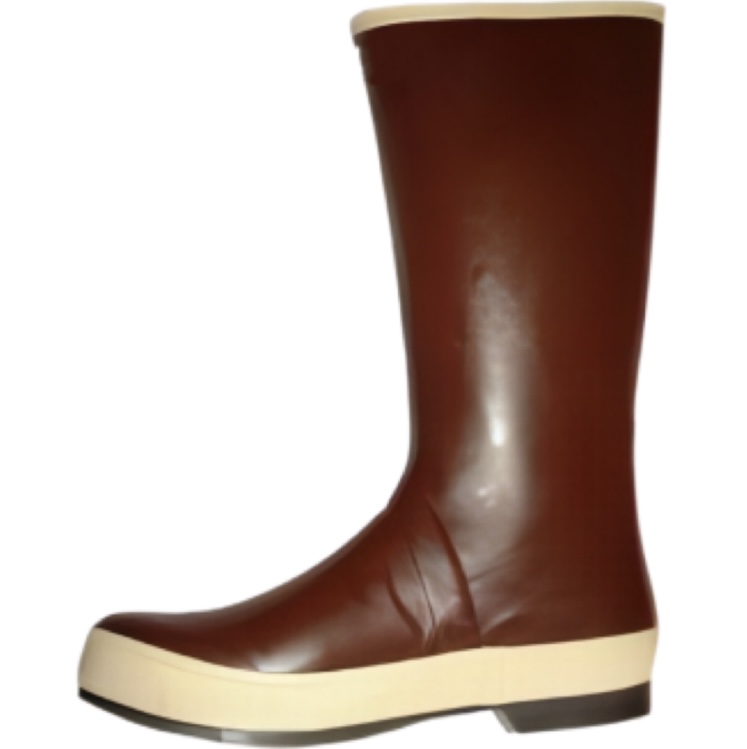
To understand acid and oil resistant safety boots, we need to explore the materials and processes involved. The most common materials for these boots are rubber and certain types of polymers. Rubber is known for its excellent chemical resistance, which allows it to withstand exposure to acids and oils without significant deterioration. Its elastic nature also provides flexibility and comfort. Polymers, on the other hand, can be engineered to have specific chemical properties, enhancing resistance to different types of chemicals. The sole of these boots often features a special pattern, such as deep grooves or lugs, to improve slip resistance. This pattern helps to channel liquids away from the sole, increasing the surface contact on wet or oily surfaces. The shaft height is another important factor, typically reaching at least ankle - level to offer protection from splashes and spills. Lining materials can vary, from breathable fabrics to synthetic materials that resist chemicals. During the manufacturing process, injection molding is a common technique used to create the boots. It allows for precise control of the shape and thickness of the boot. Vulcanization is also often employed for rubber boots, which cross - links the rubber molecules, enhancing its strength, durability, and chemical resistance. Some boots feature a seam - free structure to minimize the risk of chemical penetration through seams. A Professional Rain Boot Manufacturer with expertise in these processes can ensure that the boots meet the required safety standards and performance expectations.
3. Practical Solutions and Operation Steps
When selecting acid and oil resistant safety boots, consider the following steps:
- Material Selection: Opt for boots made of high - quality rubber or engineered polymers that are specifically designed for acid and oil resistance. Check if the material has passed relevant chemical resistance tests, such as those outlined in EN 13832 - 3:2018 where applicable.
- Shaft Height: Select a shaft height based on the work environment. For tasks with high splash risks, boots with a higher shaft (above the ankle) are recommended.
- Outsole Pattern: Look for boots with a well - designed outsole pattern that offers good traction on wet and oily surfaces. Check the slip resistance rating according to standards like EN ISO 20344:2021 / EN ISO 20347:2022+A1:2024.
- Lining: Choose a lining material that is comfortable and resistant to chemicals. Breathable lining can prevent excessive sweating and discomfort during long - term use.
- Size and Fit: Ensure the boots fit properly. A too - tight boot can cause discomfort and circulation problems, while a too - loose boot may lead to instability and accidents. Refer to the manufacturer's size chart and try on the boots if possible.
- Certifications: Check if the boots meet relevant safety standards, such as ISO 20347:2021 or EN ISO 20347:2022+A1:2024 for occupational footwear requirements, and ASTM F2413 - 24 if protective toe performance is claimed.
4. Daily Maintenance and Precautions
Proper daily maintenance is crucial for prolonging the life of acid and oil resistant safety boots and ensuring their continued effectiveness. For cleaning, first remove any visible dirt or debris with a soft brush or cloth. Then, use a mild soap or detergent and lukewarm water to clean the boots. Avoid using strong solvents or abrasive cleaners as they can damage the boot material. After cleaning, rinse the boots thoroughly and pat them dry with a clean towel. To dry the boots, do not place them in direct sunlight or near a heat source, as this can cause the rubber or polymers to deteriorate and lose their shape. Instead, let them air dry in a well - ventilated area. To remove odors, you can place odor - absorbing materials such as activated charcoal or baking soda inside the boots. To prevent aging and deformation, store the boots in a cool, dry place. Avoid stacking heavy objects on them. Never use ordinary rain boots in situations where certified acid and oil resistant safety boots are required, as they may not provide adequate protection.
5. Industry Standard and Parameter Reference
This section lists important international standards, testing methods, and parameters related to acid and oil resistant safety boots:
ParameterRecommended ReferenceWhy It MattersSlip resistanceEN ISO 20344:2021 / EN ISO 20347:2022+A1:2024 where applicableHelps evaluate outsole grip on wet or contaminated surfacesOccupational footwear requirementsISO 20347:2021 or EN ISO 20347:2022+A1:2024Supports non - safety occupational footwear selectionSafety toe footwearASTM F2413 - 24 where protective toe performance is claimedRelevant only when the boot is designed and marked as protective safety footwearChemical protective footwearEN 13832 - 3:2018 where prolonged chemical contact is claimedUseful for chemical degradation and permeation evaluation
It's important to note that performance numbers should only be used when they are provided by a verified standard, public test report, SGS/Intertek report, or user - supplied product data. When a value is not verifiable, describe the test category instead of fabricating a number.
6. Customer Common FAQ
Q: How do I choose the right material for acid and oil resistant safety boots?
A: Look for materials like high - quality rubber or engineered polymers that have been tested and proven to resist acids and oils. Check for certifications and refer to industry standards. A Professional Rain Boot Manufacturer can provide valuable guidance on material selection based on your specific work environment and requirements.
Q: Are these boots suitable for all types of acids and oils?
A: Different boots have different levels of chemical resistance. While most acid and oil resistant boots can withstand common acids and oils found in general industries, highly corrosive or specialized substances may require boots with specific chemical protection. It's important to check the boot's chemical resistance specifications and consult the manufacturer if you have concerns about specific chemicals.
Q: How do I ensure the boots fit properly?
A: Refer to the manufacturer's size chart and measure your feet accurately. If possible, try on the boots to assess the fit. Consider factors like toe room, heel hold, and overall comfort. Keep in mind that the fit may also be affected by the type of socks you wear.
Q: Do these boots have a strong odor when new?
A: Some boots may have a slight odor when new, but it usually dissipates over time. To reduce the odor, you can air the boots out in a well - ventilated area or use odor - absorbing materials. If the odor persists or is very strong, it may indicate a quality issue, and you should contact the manufacturer.
Q: Can I use these boots in cold temperatures?
A: It depends on the boot's specifications. Some acid and oil resistant boots are designed to be used in a wide range of temperatures, including cold conditions. However, extreme cold can affect the flexibility and performance of the boot material. Check the manufacturer's guidelines regarding temperature limits.
Conclusion
In conclusion, acid and oil resistant safety boots are essential for protecting workers' feet in environments where exposure to acids and oils is a risk. Understanding the core problems, product and process principles, and following practical selection and maintenance steps can ensure optimal performance and safety. When choosing these boots, refer to industry standards and consult a Professional Rain Boot Manufacturer for expert advice. By taking these measures, you can make informed decisions and keep your feet safe in the workplace.
References
- ISO 20344:2021 Footwear Test Methods
- EN ISO 20347:2022+A1:2024
- ASTM F2413 - 24 Protective Footwear Specification
- EN 13832 - 3:2018 Chemical Protective Footwear