


Anti-Static Work Boots: Static Discharge Protection Requirements For Electronics & Chemical Workspaces
Aug 13, 2026
View: 0
Leave a message
Meta Description: In electronics and chemical workspaces, anti-static work boots play a crucial role in preventing static discharge. This article explores the causes of static electricity in these environments, the principles of anti-static work boots, and provides practical selection, usage, and maintenance guidelines. It is a valuable resource for professionals in relevant industries. Professional Rain Boot Manufacturer
Keywords: anti-static work boots, static discharge protection, electronics workspaces, chemical workspaces, boot selection, boot maintenance
1. Core Problem Analysis
1.1 Common Causes of the Problem
When searching for anti-static work boots for electronics and chemical workspaces, users mainly aim to solve the problem of static electricity. In electronics workspaces, the build - up of static electricity can cause electrostatic discharge (ESD) events. These events can damage sensitive electronic components, such as integrated circuits, microchips, and printed circuit boards. Even a small amount of static discharge can lead to malfunctions, reduced product lifespan, or complete failure of electronic devices. In chemical workspaces, static electricity can pose an even more dangerous threat. Static sparks can ignite flammable chemicals or vapors, resulting in fires or explosions. Various factors contribute to the generation of static electricity in these two environments. The movement of people, the flow of liquids or gases, friction between different materials, and the separation of charges during the production process all play a role.
1.2 Affected Usage Scenarios
There are several affected usage scenarios for anti - static work boots. In electronics assembly lines, workers are constantly handling electronic components. Any static discharge can lead to product defects. In clean rooms where electronic products are manufactured, strict control of static electricity is essential to maintain the quality of the products. In chemical storage areas, workers need anti - static boots to prevent static ignition of flammable chemicals stored in barrels or tanks. During chemical production processes, such as the mixing or transfer of chemicals, the risk of static sparks is high, and anti - static work boots are necessary. In laboratory settings, whether it's an electronics or a chemical lab, researchers and technicians need to protect their work from the negative effects of static electricity.
2. Product and Process Principle
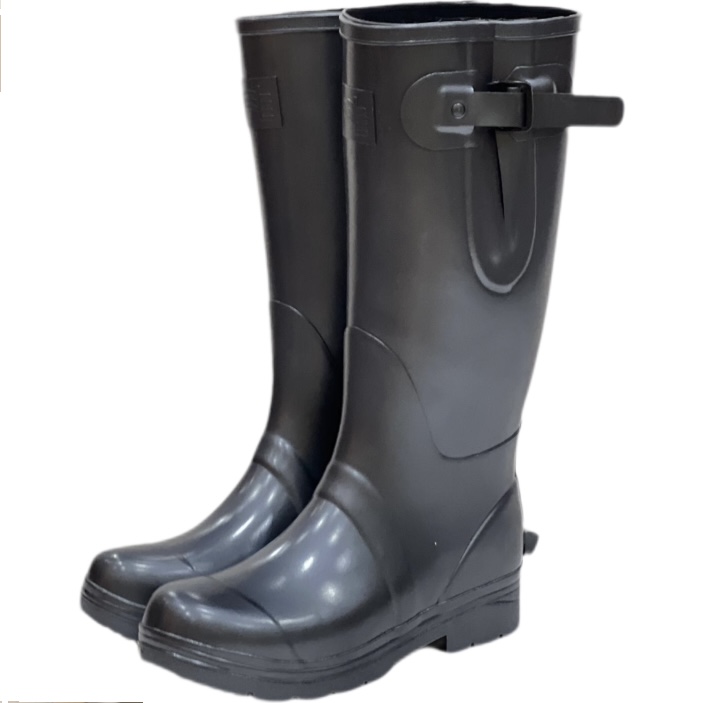
Anti - static work boots are designed based on specific materials and manufacturing processes to achieve the goal of static dissipation. The materials used in these boots often include conductive rubber or other conductive polymers. Conductive rubber contains carbon black or other conductive fillers that create a conductive network within the rubber material. This network allows static charges to flow from the body of the wearer to the ground, thereby eliminating static electricity. The outsole of an anti - static boot is a critical component. It needs to have a certain level of electrical conductivity while maintaining good traction and durability. To ensure the conductivity of the outsole, manufacturers carefully control the amount and distribution of conductive fillers during the compound formulation process. The shaft height of anti - static work boots is also an important consideration. Higher shaft boots can provide more coverage and protection against static electricity, especially in environments where there are splashes or spills of chemicals. Some anti - static work boots also have a lining made of conductive materials. This lining helps to transfer static charges from the foot more effectively to the conductive outsole. The manufacturing process of anti - static work boots may involve injection molding or vulcanization. Injection molding allows for precise control of the boot's shape and material distribution, ensuring consistent conductivity. Vulcanization, on the other hand, enhances the durability and mechanical properties of the rubber. A Professional Rain Boot Manufacturer will have strict quality control measures during the production process to ensure that each boot meets the required anti - static standards.
3. Practical Solutions and Operation Steps
When choosing anti - static work boots, consider the following steps:
- Material Selection: Opt for boots made with conductive rubber or polymers. Check the material composition and ensure that it meets the anti - static requirements. Look for materials that also have good chemical resistance if you are working in a chemical workspace.
- Shaft Height: Select a shaft height based on your work environment. For areas with potential splashes or spills, higher shaft boots (above the ankle) are recommended. In regular electronics assembly lines, mid - shaft boots may be sufficient.
- Sole Pattern: The sole pattern should provide good traction on different surfaces. A deep and multi - directional pattern is ideal for both wet and dry conditions. This helps prevent slips and falls while also ensuring proper contact with the ground for static dissipation.
- Lining: If possible, choose boots with a conductive lining. This can enhance the static - dissipating effect. The lining should also be comfortable and breathable to prevent foot fatigue.
- Size: Ensure a proper fit. Boots that are too tight can cause discomfort and restrict blood circulation, while boots that are too loose may not provide effective static protection. Refer to the manufacturer's size chart and try on the boots if possible.
- Certification and Standards: Check if the boots meet relevant international standards, such as ISO 20344:2021 or EN ISO 20347:2022 + A1:2024. These standards ensure that the boots have been tested for anti - static performance, as well as other safety features like slip resistance and chemical resistance.
4. Daily Maintenance and Precautions
- Cleaning: Regularly clean the boots to remove dirt, dust, and chemicals. Use a mild detergent and warm water. Avoid using strong solvents, as they can damage the conductive materials in the boots.
- Drying: After cleaning, let the boots dry naturally at room temperature. Do not expose them to direct sunlight for a long time or place them near a high - temperature heat source, as this can cause the rubber to harden and reduce its conductivity.
- Odor Removal: To remove odors, you can place odor - absorbing materials, such as activated charcoal, inside the boots when they are not in use.
- Anti - aging and Anti - deformation: Store the boots in a cool, dry place. To prevent deformation, you can use boot trees or stuff them with tissue paper.
- Chemical Exposure: If the boots come into contact with chemicals, immediately rinse them with plenty of water. Check the boots for any signs of damage or degradation. In case of severe chemical exposure, replace the boots to ensure continued static protection.
- Avoidance Precautions: Do not use ordinary rain boots as a substitute for certified anti - static work boots in electronics and chemical workspaces. Ordinary boots do not have the necessary anti - static properties. Also, do not wear damaged anti - static boots as they may not provide adequate static protection.
5. Industry Standard and Parameter Reference
This table provides important parameters and their recommended references for anti - static work boots:
ParameterRecommended ReferenceWhy It MattersSlip resistanceEN ISO 20344:2021 / EN ISO 20347:2022+A1:2024 where applicableHelps evaluate outsole grip on wet or contaminated surfaces, reducing the risk of slips and falls in workspaces.Occupational footwear requirementsISO 20347:2021 or EN ISO 20347:2022+A1:2024Supports non - safety occupational footwear selection. Ensures that the boots meet general occupational safety requirements in terms of anti - static performance, etc.Anti - static performanceSpecific anti - static standards (varies by region and industry). For example, some industries may follow ASTM static control standards.Absolutely essential for verifying the boots' ability to dissipate static electricity, protecting electronics and preventing ignition in chemical environments.Chemical protective footwearEN 13832 - 3:2018 where prolonged chemical contact is claimedUseful for chemical degradation and permeation evaluation, ensuring the boots can withstand chemical exposure without losing their protective properties.
Do not invent exact performance numbers. Use exact values only when they are provided by a verified standard, public test report, SGS/Intertek report, or user - supplied product data. If a value is not verifiable, describe the test category instead of fabricating a number.
6. Customer Common FAQ
Q: How can I tell if my anti - static work boots are still effective?
A: You can use a static tester to measure the electrical resistance of the boots. If the resistance is within the acceptable range specified by the relevant standards, the boots are still effective. A Professional Rain Boot Manufacturer can also provide guidance on how to conduct simple self - checks.
Q: Can I wear anti - static work boots in other non - electronics and non - chemical work environments?
A: Yes, you can. However, the anti - static properties may not be necessary in non - relevant environments. You also need to consider other factors such as comfort and the specific requirements of the new work environment.
Q: What is the typical lifespan of anti - static work boots?
A: The lifespan depends on factors such as frequency of use, working conditions, and maintenance. In general, with proper use and maintenance, they can last for 6 months to 2 years. If the boots show signs of severe wear, damage, or a significant decrease in anti - static performance, it's time to replace them.
Q: Are anti - static work boots suitable for cold environments?
A: It depends on the material and design of the boots. Some anti - static work boots are designed to be cold - resistant. Look for boots with insulation materials and a sole that can maintain flexibility in low temperatures. You can refer to the product specifications or consult the manufacturer for detailed information.
Q: How do I choose the right size of anti - static work boots?
A: First, measure your foot length accurately. Then, refer to the manufacturer's size chart. It's also a good idea to try on the boots if possible. Make sure there is enough room for your toes to move freely and that the boots are snug around your ankle without being too tight.
Conclusion
In conclusion, anti - static work boots are essential in electronics and chemical workspaces to prevent static discharge. Understanding the causes of static electricity, the principles of anti - static boots, and how to select, use, and maintain them is crucial. When choosing anti - static work boots, pay attention to material, shaft height, sole pattern, and relevant standards. Regular maintenance can ensure the long - term effectiveness of the boots. A Professional Rain Boot Manufacturer can provide valuable guidance and high - quality products to meet the needs of different work environments.
References
- ISO 20344:2021 Footwear Test Methods
- EN ISO 20347:2022+A1:2024 Footwear - Safety, protective and occupational footwear
- EN 13832 - 3:2018 Chemical Protective Footwear - Requirements and test methods for footwear to protect against chemicals.