


Application Value of Biochemical‑Resistant Boots Within Medical Laboratory Working Scenarios
Aug 14, 2026
View: 0
Leave a message
Meta Description: This article explores the common issues in medical lab scenarios regarding biochemical boots. It delves into product principles, offers practical usage solutions, and shares maintenance tips. Suitable for medical staff, lab managers, and procurement officers. Professional Rain Boot Manufacturer
Keywords: Biochemical Boots, Medical Laboratory, Boot Material, Boot Maintenance, Safety Standard
1. Core Problem Analysis
1.1 Common Causes of the Problem
When searching for biochemical boots in medical laboratory working scenarios, users often aim to solve issues such as protection against chemical spills, pathogens, and ensuring proper fit. Chemical spills can cause damage to feet and skin, while pathogens can pose a health risk. Improperly fitting boots may reduce mobility and comfort, leading to potential safety hazards. These issues are crucial as they directly relate to the health and safety of medical laboratory staff.
1.2 Affected Usage Scenarios
Biochemical boots are essential in various medical laboratory scenarios. They are used in general laboratory work, where scientists handle various chemicals and biological samples. In high - containment labs dealing with dangerous pathogens, these boots provide a vital barrier of protection. They are also necessary in sample preparation areas, where spills are more likely to occur. Additionally, in areas where disinfectants and other strong chemicals are commonly used for cleaning, appropriate boots are required to prevent chemical burns.
2. Product and Process Principle
Biochemical boots are typically made from a variety of materials, each with its own unique properties. Rubber is a popular choice due to its excellent chemical resistance. Natural rubber offers high elasticity and tear resistance, while synthetic rubber, like nitrile rubber, has better resistance to specific chemicals. PVC is another common material, known for its affordability and good chemical resistance. EVA is used for its lightweight and shock - absorbing properties, often in the midsole area. Manufacturing processes play a crucial role in the quality of the boots. Injection molding is a common method for producing the sole and parts of the boot, ensuring consistent quality and precision. Vulcanization is used to improve the durability and strength of rubber boots. A seamless structure can prevent the penetration of chemicals and pathogens through seams. Professional Rain Boot Manufacturer can provide boots with strict thickness control to ensure proper protection. The compound formulation of the materials is also carefully designed to meet specific performance requirements, such as chemical resistance and flexibility.
3. Practical Solutions and Operation Steps
Material Selection: For general medical laboratory work, rubber boots are a good choice. If dealing with specific chemicals, choose a material with proven resistance to those chemicals. For example, nitrile rubber is resistant to many solvents.
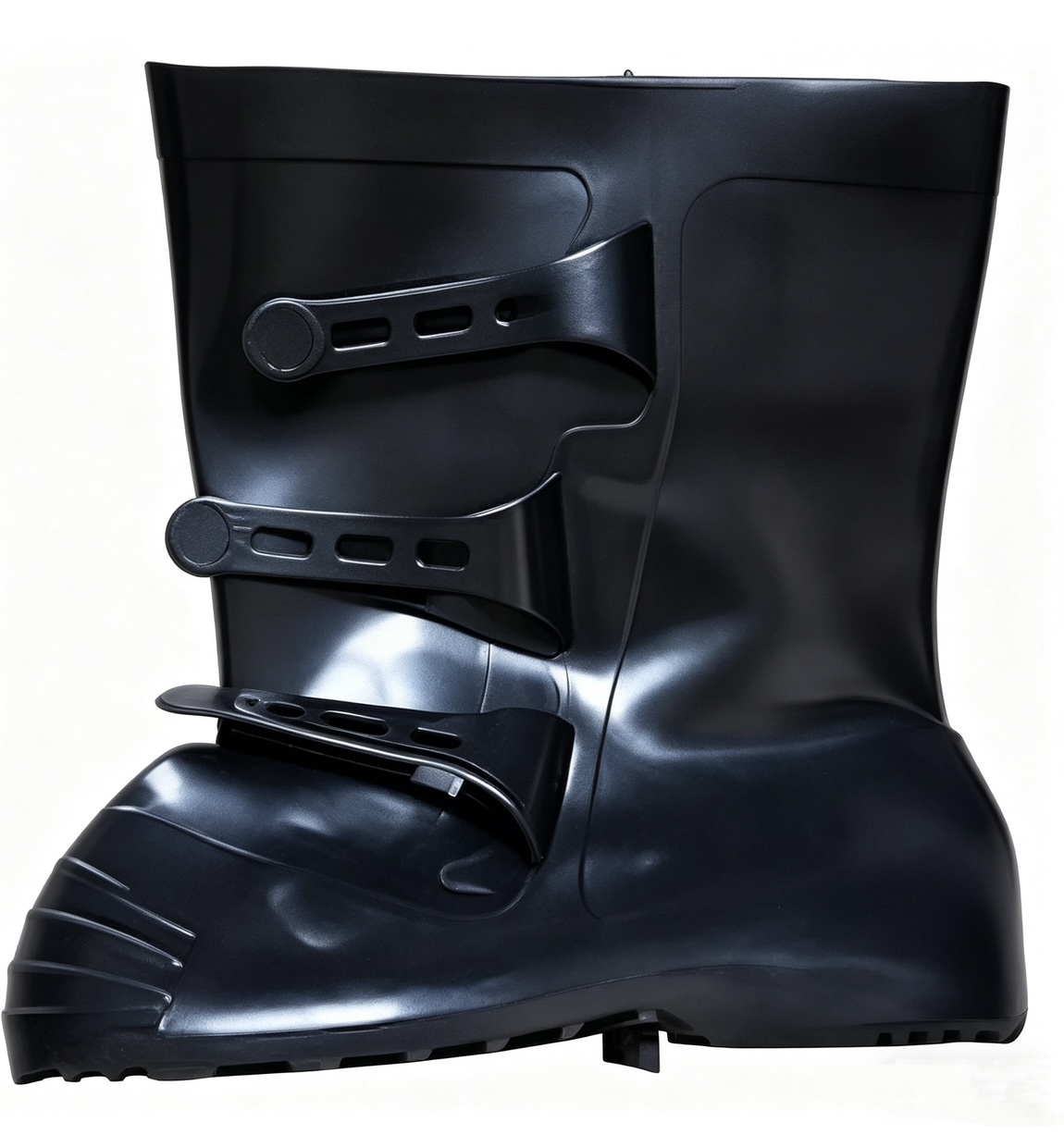
Height of the Shaft: For splash protection, boots with a higher shaft (above the ankle) are recommended. In high - risk areas where there may be large spills, knee - high boots may be necessary.
Sole Pattern: A deep and well - defined sole pattern is essential for slip resistance. Look for soles with wide channels to drain water and reduce the risk of slipping on wet surfaces.
Lining: Choose a lining that is comfortable and moisture - wicking. Some linings are also anti - microbial, which can help in a laboratory environment.
Size: Ensure proper sizing. Boots that are too tight can restrict blood circulation, while boots that are too loose can cause tripping. Try on boots with the socks you will typically wear in the laboratory.
Standards and Certifications: Check for relevant certifications, such as EN ISO 20344:2021 for slip resistance and EN 13832 - 3:2018 for chemical protection. These certifications ensure that the boots meet certain quality and safety standards.
4. Daily Maintenance and Precautions
Cleaning: After each use, clean the boots with mild soap and water. For chemical spills, follow the manufacturer's instructions for proper cleaning. Avoid using strong solvents, as they can damage the boot material.
Drying: Allow the boots to dry naturally in a well - ventilated area. Avoid direct sunlight and high - temperature sources, as they can cause the material to age and crack.
Odor Removal: If the boots develop an odor, use natural odor - absorbing materials, such as baking soda, or place them in a well - ventilated area for a longer period.
Anti - aging: Store the boots in a cool, dry place. Do not fold or compress the boots for long periods, as it can cause permanent deformation.
Chemicals Contact: If the boots come into contact with strong chemicals, immediately remove them and follow the emergency response procedures. Check the boots for damage and replace them if necessary.
Precautions: Do not use ordinary rain boots as a substitute for certified biochemical boots in a laboratory setting. This can put your health at risk. Also, regularly inspect the boots for signs of wear and tear, such as cracks or holes.
5. Industry Standard and Parameter Reference
The following table provides important industry standards and parameters for biochemical boots:
ParameterRecommended ReferenceWhy It MattersSlip resistanceEN ISO 20344:2021 / EN ISO 20347:2022+A1:2024 where applicableHelps evaluate outsole grip on wet or contaminated surfaces.Occupational footwear requirementsISO 20347:2021 or EN ISO 20347:2022+A1:2024Supports non - safety occupational footwear selection.Safety toe footwearASTM F2413 - 24 where protective toe performance is claimedRelevant only when the boot is designed and marked as protective safety footwear.Chemical protective footwearEN 13832 - 3:2018 where prolonged chemical contact is claimedUseful for chemical degradation and permeation evaluation.
It is important to note that exact performance numbers should only be used when provided by a verified standard, public test report, SGS/Intertek report, or user - supplied product data. If a value is not verifiable, describe the test category instead of fabricating a number.
6. Customer Common FAQ
Q: What material is best for biochemical boots in a medical laboratory?
A: Rubber is generally a good choice. Natural rubber offers high elasticity, while synthetic rubbers like nitrile rubber provide better resistance to specific chemicals. A Professional Rain Boot Manufacturer can help you select the most suitable material based on the specific chemicals used in your laboratory.
Q: How often should I replace my biochemical boots?
A: It depends on the frequency of use and the level of exposure. Regularly inspect the boots for signs of wear, such as cracks or holes. If the boots are damaged or no longer meet the relevant safety standards, they should be replaced immediately.
Q: Can I use regular rain boots in a medical laboratory?
A: No. Regular rain boots are not designed to provide the necessary protection against chemicals and pathogens in a medical laboratory. You should use boots that meet the relevant safety standards, such as EN 13832 - 3:2018 for chemical protection.
Q: How do I clean biochemical boots with chemical spills?
A: Refer to the manufacturer's instructions. In general, use mild soap and water. Avoid using strong solvents, which can damage the boot material. After cleaning, dry the boots naturally.
Q: Do biochemical boots need to be certified?
A: Yes. Look for certifications such as EN ISO 20344:2021 for slip resistance and EN 13832 - 3:2018 for chemical protection. These certifications ensure that the boots meet certain quality and safety requirements. A Professional Rain Boot Manufacturer can provide certified products.
Conclusion
In conclusion, biochemical boots are essential in medical laboratory working scenarios to protect against chemical spills and pathogens. Understanding the product and process principles is crucial for making the right selection. Practical solutions such as proper material, size, and sole pattern selection can enhance safety and comfort. Daily maintenance and following industry standards are also important for the longevity and effectiveness of the boots. A Professional Rain Boot Manufacturer can offer valuable insights and high - quality products to meet the specific needs of medical laboratories.
References
- ISO 20344:2021, Footwear Test Methods
- EN ISO 20347:2022+A1:2024, Occupational Footwear
- ASTM F2413 - 24, Protective Footwear Specification
- EN 13832 - 3:2018, Chemical Protective Footwear