


Can Chef Boots Withstand the High - Temperature Conditions of a Busy Kitchen?
Sep 3, 2026
View: 0
Leave a message
Meta Description: Yes, some chef boots can withstand high - temperature conditions in a busy kitchen. This article explores the product knowledge, material principles, and usage scenarios of chef boots, providing guidance for chefs and kitchen workers. Professional Rain Boot Manufacturer offers insights into chef boot production and selection.
Keywords: Chef Boots, High - Temperature Conditions, Kitchen Work, Boot Material, Boot Selection
1. Core Problem Analysis
1.1 Common Causes of the Problem
When chefs and kitchen staff search for chef boots that can withstand high - temperature conditions, they are mainly concerned about the boots' durability and safety. High - temperature environments in the kitchen can cause materials to age, deform, or even melt, which may lead to a series of problems. For example, soles may lose their anti - slip properties, and the upper materials may become hard and crack, exposing the feet to potential heat burns or other injuries. The high - temperature sources in the kitchen include stoves, ovens, and hot pots, which can continuously release heat and affect the boots.
1.2 Affected Usage Scenarios
The usage scenarios affected by high - temperature conditions mainly include commercial kitchens such as restaurants, hotels, and catering companies. In these places, chefs need to stand near hot cooking equipment for long periods, and their boots are constantly in contact with high - temperature steam, hot oil splashes, and direct heat radiation. In addition, large - scale banquet kitchens and institutional kitchens also face similar problems, where fast - paced cooking operations and high - volume food production create a high - temperature and high - pressure work environment.
2. Product and Process Principle
Chef boots are usually made of various materials, each with its own characteristics and manufacturing processes. The most common materials include leather, rubber, and synthetic materials. Leather boots are known for their durability and breathability. High - quality leather can withstand a certain degree of high - temperature without losing its shape quickly. It is often treated with special tanning and finishing processes to improve its heat resistance and water - resistance. For example, some leathers are chrome - tanned, which makes them more stable and durable. Professional Rain Boot Manufacturer is well - versed in these leather treatment processes to ensure the quality of the boots.
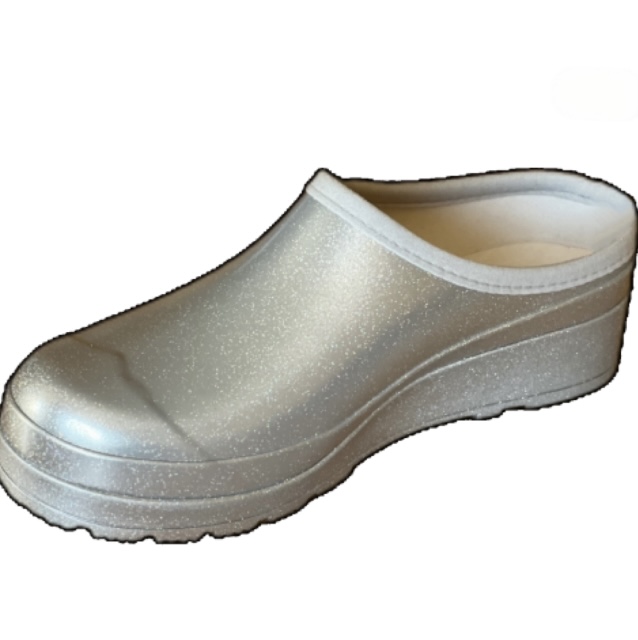
Rubber is another important material for chef boots. Natural or synthetic rubber has good elasticity, anti - slip properties, and heat resistance. In the manufacturing process, rubber can be processed through injection molding or vulcanization. Injection molding is a high - efficiency process suitable for mass - producing standard - shaped boots. Vulcanization, on the other hand, can make the rubber structure more compact and increase its strength and heat resistance. Synthetic materials, such as thermoplastic polyurethane (TPU), are also increasingly used in chef boots. TPU has high wear resistance, excellent flexibility, and can be customized in terms of hardness and other properties according to specific needs.
3. Practical Solutions and Operation Steps
When choosing chef boots that can withstand high - temperature conditions, the following steps can be followed:
- Material Selection: Opt for boots made of heat - resistant materials. Leather boots with high - quality tanning can be a good choice, as long as they are not too thin. Rubber boots with high - grade rubber compounds are also reliable. Look for labels or product descriptions that mention heat resistance.
- Sole Design: The sole should have deep and complex patterns to ensure good anti - slip performance on wet and greasy kitchen floors. A heat - resistant sole material is also crucial. Some soles are made of special rubber compounds that can maintain their grip even at high temperatures.
- Upper Height: Consider the height of the boot upper. In a high - temperature kitchen, a higher upper can provide more protection against hot oil splashes and steam. However, it should not be too high to affect the flexibility of movement.
- Lining: Choose boots with a lining that is breathable and moisture - wicking. This can keep the feet dry and comfortable in a hot and humid environment. Some linings are also heat - resistant to protect the feet from direct heat.
- Size: Ensure that the boots fit properly. Too tight boots can restrict blood circulation and cause discomfort, while too loose boots may cause tripping. Try on the boots with the socks you usually wear in the kitchen.
4. Daily Maintenance and Precautions
To maintain chef boots and ensure their performance in high - temperature conditions, the following daily maintenance and precautions should be taken:
After each use, clean the boots with a mild detergent and water. Remove any dirt, grease, or food residues. Avoid using harsh chemicals or strong solvents, as they can damage the materials. Then, dry the boots in a well - ventilated area away from direct sunlight and high - temperature heat sources. Prolonged exposure to sunlight can cause the materials to fade and crack, and high - temperature drying can make the materials hard and brittle.
Do not store the boots in a damp place, as this can lead to mold and mildew growth. Instead, store them in a cool, dry place. If the boots have any signs of damage, such as cracks or loose soles, repair them in time. Do not continue to use boots with serious damage, as this can pose a safety risk. Importantly, never use ordinary boots that are not designed for high - temperature environments in the kitchen. These boots may not have the necessary heat resistance and anti - slip properties.
5. Industry Standard and Parameter Reference
The following table lists some important parameters and standards for chef boots in high - temperature kitchen environments:
ParameterRecommended ReferenceWhy It MattersHeat ResistanceASTM F2413 - 24 can be used as a reference for the heat - resistant performance of safety footwear. It sets requirements for the heat - resistant properties of boots, such as the ability to withstand a certain temperature for a specific period without significant damage.Ensures that the boots can maintain their integrity and performance in high - temperature environments, protecting the feet from burns.Slip resistanceEN ISO 20344:2021 / EN ISO 20347:2022+A1:2024 where applicable. These standards evaluate the outsole grip on wet or contaminated surfaces, which is crucial in a kitchen environment with wet floors and grease.Helps prevent slips and falls, reducing the risk of workplace injuries.Occupational footwear requirementsISO 20347:2021 or EN ISO 20347:2022+A1:2024. These standards support non - safety occupational footwear selection, ensuring that the boots meet the basic requirements for comfort, durability, and safety in the workplace.Ensures that the boots are suitable for long - term use in a kitchen environment and meet the necessary safety and performance criteria.Chemical protective footwearEN 13832 - 3:2018 where prolonged chemical contact is claimed. Although kitchens mainly deal with food, there may be some cleaning chemicals that boots need to resist. This standard is useful for chemical degradation and permeation evaluation.Protects the feet from chemical damage, especially when using cleaning agents in the kitchen.
It is important to note that these standards provide a reference framework, and actual product performance may vary. When purchasing chef boots, look for products that have been tested and certified according to these standards.
6. Customer Common FAQ
Q: How can I tell if a chef boot is heat - resistant?
A: Look for boots with a heat - resistant certification, such as those meeting ASTM F2413 - 24 standards. You can also check the product description provided by the manufacturer. Professional Rain Boot Manufacturer can usually offer detailed information about the heat - resistant properties of their boots.
Q: Are rubber chef boots better than leather boots in high - temperature conditions?
A: It depends on specific needs. Rubber boots generally have better heat - and water - resistance, and are more suitable for situations with direct contact with hot liquids or steam. Leather boots, on the other hand, are more breathable and stylish. They are better for general high - temperature kitchen work where there is no excessive direct heat exposure.
Q: How often should I replace my chef boots?
A: It depends on the frequency of use and the quality of the boots. Generally, if you notice significant wear and tear, such as cracks in the soles or upper, reduced anti - slip performance, or loss of heat resistance, it is time to replace them. In a high - intensity kitchen environment, boots may need to be replaced every 6 - 12 months.
Q: Can I wash my chef boots in a washing machine?
A: It is not recommended. Most chef boots are made of special materials that may be damaged in a washing machine. Use a mild detergent and water to clean them by hand instead.
Q: What size of chef boots should I choose?
A: Choose a size that allows for a little extra space for comfort, especially if you will be wearing thick socks. Try on the boots and walk around to ensure a proper fit. If your feet tend to swell during long - term standing, consider a slightly larger size.
Conclusion
In conclusion, choosing the right chef boots for high - temperature kitchen conditions requires a comprehensive understanding of boot materials, design, and industry standards. By considering factors such as heat resistance, anti - slip properties, and comfort, chefs and kitchen workers can ensure their safety and comfort in the workplace. Professional Rain Boot Manufacturer can provide valuable advice on chef boot selection based on professional knowledge and experience. Regular maintenance and timely replacement of boots are also essential to maintain their performance.
References
- ASTM F2413 - 24 Protective Footwear Specification
- EN ISO 20344:2021 Footwear Test Methods
- EN ISO 20347:2022+A1:2024 Occupational Footwear
- EN 13832 - 3:2018 Chemical Protective Footwear