


Core Functional Benefits of Latex Kids’ Boots for Outdoor Play and Field Activities
Aug 14, 2026
View: 0
Leave a message
Meta Description: Explore the core benefits and practicalities of kid latex boots for outdoor play and field activities. This article delves into common problems, product principles, selection tips, maintenance, and industry standards. Ideal for parents and professionals seeking reliable rain boots. Professional Rain Boot Manufacturer
Keywords: Kid Latex Boots, Outdoor Play, Field Activities, Rain Boots, Waterproof Boots, Rubber Boots, Boot Maintenance
1. Core Problem Analysis
1.1 Common Causes of the Problem
When it comes to kid latex boots, parents often face several issues. One of the most common is sizing. Kids' feet grow rapidly, and getting the right size can be challenging. An ill - fitting boot may be too tight, causing discomfort and restricting foot movement, or too loose, leading to blisters and an increased risk of tripping. Another problem is durability. Latex can be prone to wear and tear, especially if the boots are used in rough outdoor conditions. Cracks and holes may develop, which can compromise the waterproof function. Additionally, some kids may find latex boots stuffy, leading to sweaty feet, which can be both uncomfortable and unhygienic.
1.2 Affected Usage Scenarios
These problems affect various usage scenarios for kid latex boots. For outdoor play, such as in the backyard, kids may run around on gravel, grass, or through puddles. Poor - fitting or non - durable boots can make it difficult for them to enjoy these activities to the fullest. In field activities like school trips to farms or nature parks, the boots need to be comfortable and waterproof for extended periods. If the boots are too hot and sweaty, kids may become irritable, and if they leak, their feet will get wet, which can lead to colds or other health issues.
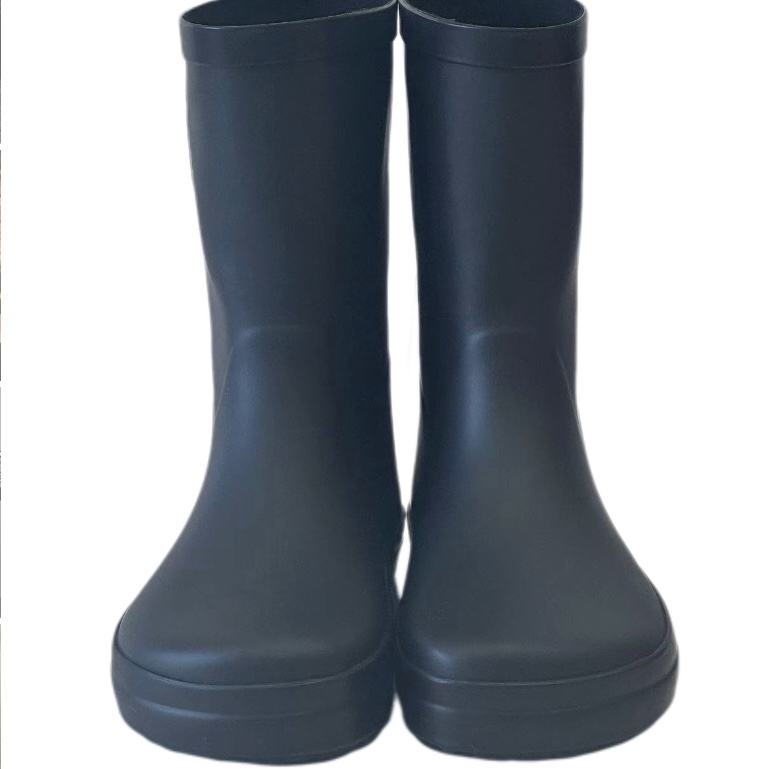
2. Product and Process Principle
Latex is a natural rubber material that offers several advantages for kids' boots. It has excellent elasticity, which allows the boots to conform to the shape of a child's foot, providing a snug fit. This elasticity also contributes to the waterproof nature of the boots. The molecules in latex are tightly packed, preventing water from seeping through.
In the manufacturing process, injection molding is often used for kid latex boots. This process involves injecting liquid latex into a mold at high pressure. The mold is designed to have the exact shape of the boot, including the sole pattern, shaft height, and any decorative elements. After injection, the latex is cured, usually by heating, which solidifies the material and gives the boot its final shape.
Some manufacturers also use vulcanization to enhance the properties of latex boots. Vulcanization is a chemical process that involves adding sulfur or other curatives to the latex and then heating it. This process cross - links the polymer chains in the latex, making the boot more durable, resistant to heat, and less likely to deform. A professional rain boot manufacturer will pay close attention to factors such as thickness control. The thickness of the latex can affect the boot's durability, flexibility, and insulation properties. By carefully controlling the thickness during the manufacturing process, the manufacturer can ensure that the boots offer optimal performance.
3. Practical Solutions and Operation Steps
### Material Selection: Latex is a good material for kids' boots due to its elasticity and waterproofness. However, if you are concerned about breathability, you may consider boots with a latex exterior and a breathable lining, such as cotton or polyester.
### Shaft Height: For outdoor play and field activities, a mid - calf shaft height is often a good choice. It provides enough coverage to keep the legs dry in puddles and mud, but it is not so high that it restricts movement.
### Sole Pattern: Look for boots with a deep and aggressive sole pattern. A pattern with large lugs or grooves can provide better traction on wet and slippery surfaces, reducing the risk of slips and falls. For example, a pattern with a combination of horizontal and vertical grooves can offer good grip in different directions.
### Lining: As mentioned earlier, a breathable lining is ideal to prevent sweaty feet. Make sure the lining is soft and non - abrasive to avoid irritating the child's skin.
### Size Selection: Measure your child's feet accurately before purchasing boots. You can use a foot measuring device or mark the length and width of the foot on a piece of paper. Allow some extra room for growth, usually about 1 - 1.5 cm, especially if your child will be wearing thick socks.
### Cold Resistance: If your child will be using the boots in cold weather, consider boots with a thermal lining or an insulated material. Some latex boots can be lined with fleece or neoprene to provide extra warmth.
### Slip Resistance: Check the slip - resistance rating of the boots if available. According to EN ISO 20344:2021 / EN ISO 20347:2022+A1:2024, a good slip - resistant sole should have a certain level of grip on wet or contaminated surfaces.
### Cleaning: To clean the boots, simply rinse them with water and mild soap. Avoid using harsh chemicals or abrasive brushes, as these can damage the latex. After cleaning, allow the boots to air dry naturally, away from direct sunlight and heat sources.
### Storage: Store the boots in a cool, dry place. You can stuff them with newspaper or a boot tree to help maintain their shape.
4. Daily Maintenance and Precautions
### Cleaning: Regularly clean the boots after use. Use a soft cloth or sponge to wipe off dirt and mud. If there are stubborn stains, you can use a mild detergent diluted in water. Rinse the boots thoroughly to remove all soap residue.
### Drying: After cleaning, dry the boots properly. Do not leave them in a wet or damp area for a long time, as this can lead to the growth of mold and mildew. Instead, place them in a well - ventilated area at room temperature. Avoid drying the boots near a heater or in direct sunlight, as this can cause the latex to crack and become brittle.
### Deodorizing: If the boots develop an odor, you can sprinkle some baking soda inside them and let it sit overnight. Baking soda can absorb odors. Then, shake out the baking soda the next day. You can also use specialized shoe deodorizers.
### Anti - aging: To prevent the latex from aging prematurely, avoid exposing the boots to extreme temperatures, chemicals, and sharp objects. For example, do not let the boots come into contact with gasoline, solvents, or bleach. If the boots are scratched, the latex may be more prone to cracking.
### Anti - deformation: As mentioned before, use a boot tree or stuff the boots with newspaper when storing them to maintain their shape. Do not fold or bend the boots for long - term storage.
### Low - temperature storage: In cold weather, make sure to store the boots in a place where the temperature does not drop too low. Latex can become stiff and brittle in very cold temperatures, which can cause it to crack.
### Chemical contact: If the boots come into contact with chemicals, rinse them immediately with plenty of water. If the chemical is corrosive, it is advisable to consult a professional or the manufacturer for further advice.
### Avoiding pitfalls: Do not use the boots as safety boots in industrial or high - risk environments. Kid latex boots are mainly designed for outdoor play and light field activities, and they do not have the necessary safety features required for more dangerous situations. Also, do not use strong solvents to clean the boots, as this can damage the latex and void the warranty.
5. Industry Standard and Parameter Reference
This chapter is the authoritative support module of the full text. It must list international standards, test methods, or verifiable parameters closely related to the article's theme. The following table provides some important parameters:
ParameterRecommended ReferenceWhy It MattersSlip resistanceEN ISO 20344:2021 / EN ISO 20347:2022+A1:2024 where applicableHelps evaluate outsole grip on wet or contaminated surfaces.Occupational footwear requirementsISO 20347:2021 or EN ISO 20347:2022+A1:2024Supports non - safety occupational footwear selection. Not strictly applicable for kid latex boots but can be a reference for overall quality.Chemical protective footwearEN 13832 - 3:2018 where prolonged chemical contact is claimedUseful for chemical degradation and permeation evaluation, although kid latex boots are not typically used in such scenarios.
Do not invent exact performance numbers. Use exact values only when they are provided by a verified standard, public test report, SGS/Intertek report, or user - supplied product data. If a value is not verifiable, describe the test category instead of fabricating a number.
6. Customer Common FAQ
Q: Are latex boots good for kids with sensitive skin?
A: Latex can cause allergic reactions in some people with sensitive skin. If your child has a latex allergy, it is best to avoid latex boots. However, some manufacturers treat the latex to reduce the risk of allergies. A professional rain boot manufacturer can provide more information about the hypoallergenic properties of their products.
Q: How long do kid latex boots typically last?
A: The lifespan of kid latex boots depends on several factors, such as the frequency of use, the environment in which they are used, and how well they are maintained. With proper use and maintenance, they can last for a few seasons, especially if your child's feet do not grow too quickly.
Q: Can I use the same latex boots for my child in both summer and winter?
A: It depends on the design of the boots. If the boots have a breathable lining, they can be used in summer. For winter, if the boots are not insulated, you can add thermal insoles or thick socks. However, if the temperature is very cold, it may be better to get insulated boots.
Q: How do I know if the latex boots are the right size for my child?
A: Measure your child's feet accurately and refer to the manufacturer's size chart. Make sure there is enough room for the toes to move freely and about 1 - 1.5 cm of extra space at the end of the boot. You can also have your child try on the boots with the socks they will be wearing.
Q: Do latex boots have a good grip on wet surfaces?
A: Most latex boots are designed to have good grip on wet surfaces, especially if they have a proper sole pattern. You can check the slip - resistance rating according to EN ISO 20344:2021 / EN ISO 20347:2022+A1:2024 to ensure they meet the required standards.
Conclusion
In conclusion, kid latex boots offer numerous benefits for outdoor play and field activities, such as elasticity, waterproofness, and a snug fit. However, parents need to be aware of common problems like sizing, durability, and breathability. By understanding the product and process principles, following practical selection and maintenance steps, and referring to industry standards, they can make informed decisions. A professional rain boot manufacturer can provide valuable guidance in choosing the right boots for kids. With proper care, latex boots can provide a fun and safe experience for children during their outdoor adventures.
References
- Statista, Global rain boot market analysis, 2024 - 2026
- EN ISO 20344:2021, Footwear Test Methods
- EN ISO 20347:2022+A1:2024, Occupational Footwear