


Core Practical Values of Acid‑Oil Resistant Safety Boots for Automotive Workshop Environments
Aug 14, 2026
View: 0
Leave a message
Meta Description: This article delves into the core practical values of acid - oil resistant safety boots in automotive workshop environments. It explains the causes of relevant problems, affected scenarios, product principles, and offers practical solutions. It also provides maintenance advice, references industry standards, and answers common FAQs. A Professional Rain Boot Manufacturer can offer valuable insights for production and selection.
Keywords: acid and oil resistant safety boots, rain boots, rubber boots, automotive workshop, boot maintenance, material selection
1. Core Problem Analysis
1.1 Common Causes of the Problem
When searching for acid and oil resistant safety boots, users often aim to solve multiple problems. In automotive workshops, boots are frequently exposed to various acids and oils. These substances can cause corrosion to the boots, leading to material degradation, such as cracking and reduced waterproofness. For example, strong acids may break the chemical bonds in rubber materials, weakening the structure of the boots. Also, slips and falls are common hazards in these environments due to the oily and wet floors. If the boots do not have sufficient slip - resistance, it increases the risk of workplace accidents. Moreover, long - term wearing in a work environment may result in foot discomfort if the boots do not have proper ventilation and cushioning.
1.2 Affected Usage Scenarios
The use of acid and oil resistant safety boots is crucial in multiple automotive - related scenarios. In automotive repair shops, mechanics need to work around engines, where oil spills are common. They may also deal with battery acids during battery replacement. Body shops are another key scenario, where workers handle paint thinners and other chemicals that can be acidic or oily. Car wash facilities also require such boots as the detergents used may have chemical properties that can damage normal boots, and the wet floors are slippery. Additionally, in automotive manufacturing plants, production line workers may come into contact with various industrial oils and chemicals during the assembly process.
2. Product and Process Principle
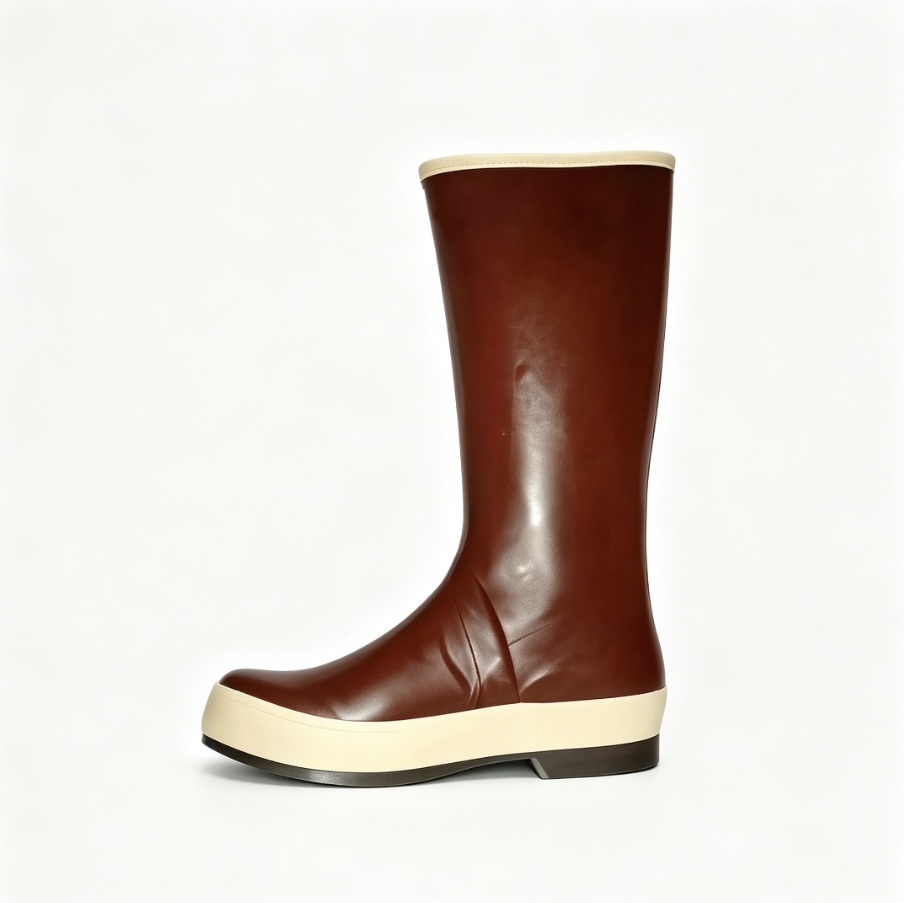
Acid and oil resistant safety boots are typically made of high - performance rubber or other specialized polymers. Rubber materials, such as neoprene or nitrile rubber, have good resistance to acids and oils. The molecular structure of these rubbers effectively blocks the penetration of acidic and oily molecules. For instance, the double - bond structure in neoprene can form a stable cross - linked network, preventing the intrusion of chemicals. In the production process, injection molding is a common method used to create the boots. During injection molding, the rubber material is heated to a molten state and then injected into a mold under high pressure. After cooling and solidification, the boot takes on the shape of the mold. Another important process is vulcanization. Vulcanization involves adding sulfur or other vulcanizing agents to the rubber, which forms cross - links between the rubber molecules. This improves the strength, durability, and chemical resistance of the boots. A Professional Rain Boot Manufacturer can ensure the proper implementation of these processes, with strict control over temperature, pressure, and time during injection molding and vulcanization to achieve the best performance of the boots.
3. Practical Solutions and Operation Steps
When choosing acid and oil resistant safety boots, the following steps can be followed:
- Material Selection: Opt for boots made of neoprene, nitrile rubber, or other chemical - resistant polymers. These materials offer better protection against acids and oils. For example, nitrile rubber has good resistance to a wide range of chemicals and is more flexible at low temperatures.
- Toe Protection: If there is a risk of heavy objects falling in the workplace, select boots with steel or composite toe caps. These can protect the toes from impact and compression.
- Outsole Pattern: Choose an outsole with a deep and non - slip pattern. Patterns such as multi - directional grooves or lugs can provide better traction on oily and wet surfaces. For example, a herringbone pattern is effective in dispersing water and oil to prevent slipping.
- Boot Height: Consider the height of the boot based on the working environment. In an environment where there is a high likelihood of splash or submersion in chemicals, high - cuff boots can provide more protection to the lower legs.
- Lining: Look for a breathable lining material, such as moisture - wicking fabric. This can keep the feet dry and comfortable during long - term wearing. Antimicrobial linings can also reduce odor and prevent bacterial growth.
- Size and Fit: Ensure you choose the correct size. Boots that are too tight can cause discomfort and restrict blood circulation, while boots that are too loose may lead to instability and increase the risk of accidents.
4. Daily Maintenance and Precautions
Proper maintenance can extend the lifespan of acid and oil resistant safety boots. Here are some daily maintenance tips:
- Cleaning: After each use, clean the boots with mild soap and water. For stubborn stains or chemical residues, use a specialized boot cleaner. Avoid using strong solvents, as they can damage the rubber material.
- Drying: After cleaning, let the boots dry naturally at room temperature. Do not expose them to direct sunlight or high - heat sources, such as heaters or hair dryers, as this can cause the rubber to harden and crack.
- Odor Removal: To remove odor, you can place odor - absorbing materials, such as activated charcoal or baking soda, inside the boots when not in use.
- Storage: Store the boots in a cool, dry place away from chemicals and sharp objects. Do not fold or compress the boots for a long time, as it may cause deformation.
It is important to note some precautions. Do not use ordinary rain boots instead of certified acid and oil resistant safety boots in a workplace with chemical exposure. Also, regularly inspect the boots for signs of wear, such as cracks, holes, or degraded soles. Replace the boots if any significant damage is found.
5. Industry Standard and Parameter Reference
This section provides international standards, test methods, and verifiable parameters related to acid and oil resistant safety boots:
ParameterRecommended ReferenceWhy It MattersSlip resistanceEN ISO 20344:2021 / EN ISO 20347:2022+A1:2024 where applicableHelps evaluate outsole grip on wet or contaminated surfaces.Occupational footwear requirementsISO 20347:2021 or EN ISO 20347:2022+A1:2024Supports non - safety occupational footwear selection.Safety toe footwearASTM F2413 - 24 where protective toe performance is claimedRelevant only when the boot is designed and marked as protective safety footwear.Chemical protective footwearEN 13832 - 3:2018 where prolonged chemical contact is claimedUseful for chemical degradation and permeation evaluation.Acid and oil resistanceSpecific test methods required by relevant chemical industry standards (e.g., testing the swelling and degradation of the boot material after a certain period of contact with specific acids and oils)Ensures the boots can withstand the chemical substances in the workplace and maintain their performance.
Remember, do not invent exact performance numbers. Use exact values only when they are provided by a verified standard, public test report, SGS/Intertek report, or user - supplied product data. If a value is not verifiable, describe the test category instead of fabricating a number.
6. Customer Common FAQ
Q: How do I choose the right material for acid and oil resistant safety boots?
A: When choosing the material, consider the type and concentration of acids and oils in your workplace. Neoprene and nitrile rubber are good choices for general chemical resistance. A Professional Rain Boot Manufacturer can provide more detailed advice based on your specific needs.
Q: Are these boots slip - resistant? How can I verify their slip - resistance?
A: Most acid and oil resistant safety boots are designed to be slip - resistant. You can check if they comply with standards like EN ISO 20344:2021 or EN ISO 20347:2022+A1:2024. Some manufacturers may also provide test reports to prove their slip - resistance performance.
Q: What size of boots should I choose?
A: It is recommended to measure your feet accurately. Refer to the manufacturer's size chart, which usually lists the corresponding shoe sizes based on foot length and width. Try on the boots if possible to ensure a proper fit. Tight boots can cause discomfort, and loose ones may affect stability.
Q: Do these boots have an odor? How can I remove it?
A: New boots may have a slight odor due to the material and manufacturing process. You can place odor - absorbing materials such as activated charcoal or baking soda inside the boots. Also, make sure to clean and dry the boots regularly to reduce odor.
Q: Can I wear these boots in extreme cold conditions?
A: It depends on the material and design of the boots. Some materials, like nitrile rubber, have relatively good low - temperature flexibility. However, if you need to work in extremely cold environments, choose boots with proper insulation and low - temperature resistance. Check the product specifications or consult a Professional Rain Boot Manufacturer for specific advice.
Conclusion
To sum up, acid and oil resistant safety boots are essential in automotive workshop environments. They help solve problems such as chemical corrosion, slips, and foot discomfort. When choosing these boots, consider factors like material, toe protection, outsole pattern, and lining. Regular maintenance is also crucial to ensure their performance and lifespan. A Professional Rain Boot Manufacturer can offer professional guidance in production, selection, and understanding of industry standards.
References
- China Rubber Industry Association. "Functional Shoe Materials Industry Development White Paper" (2024).
- National Shoe Quality Supervision and Inspection Center. 2025 Third - quarter Sampling Report.
- GB/T 3903.6 - 2023 "Test Method for Slip Resistance of Footwear".