


Core Strengths & Practical Limitations of Kid Neoprene Boots for Outside Adventures
Aug 14, 2026
View: 0
Leave a message
Meta Description: This article delves into the core strengths and practical limitations of kid neoprene boots for outdoor adventures. It provides insights into causes of common problems, affected usage scenarios, and explores product and process principles. Additionally, practical solutions, maintenance advice, and industry standards are shared. Aimed at parents and professionals, it offers comprehensive information for making informed decisions. Professional Rain Boot Manufacturer
Keywords: Kid Neoprene Boots, Rain Boots, Waterproof Boots, Rubber Boots, Neoprene Material, Boot Maintenance, Outdoor Adventures
1. Core Problem Analysis
1.1 Common Causes of the Problem
When considering kid neoprene boots for outdoor adventures, parents often encounter several issues. One of the most common problems is sizing. Kids' feet grow rapidly, and it can be challenging to choose the right size that allows enough room for growth while still providing a snug fit. Poor sizing can lead to discomfort, blisters, or even cause kids to trip and fall. Another concern is the durability of the boots. Neoprene, though a flexible and water - resistant material, can wear out over time, especially if the boots are exposed to rough terrain, sharp objects, or excessive friction. Additionally, neoprene boots may not provide adequate insulation in extremely cold weather, leaving kids' feet cold and potentially at risk of frostbite. Odor can also be an issue, as the warm and moist environment inside the boots can be a breeding ground for bacteria.
1.2 Affected Usage Scenarios
These problems can impact various outdoor usage scenarios. For hiking, ill - fitting boots can cause fatigue and distraction, spoiling the overall experience for kids. In wet environments such as fishing by the lake or walking in rainy weather, if the boots are not durable enough, water may seep in, making kids' feet wet and cold. When playing in mud or dirt, the boots may get dirty easily, and if they are difficult to clean, it can lead to the growth of mold and odors. Also, in cold winter adventures like skiing or sledging, if the boots lack sufficient insulation, kids may not be able to enjoy the activity for long due to cold feet.
2. Product and Process Principle
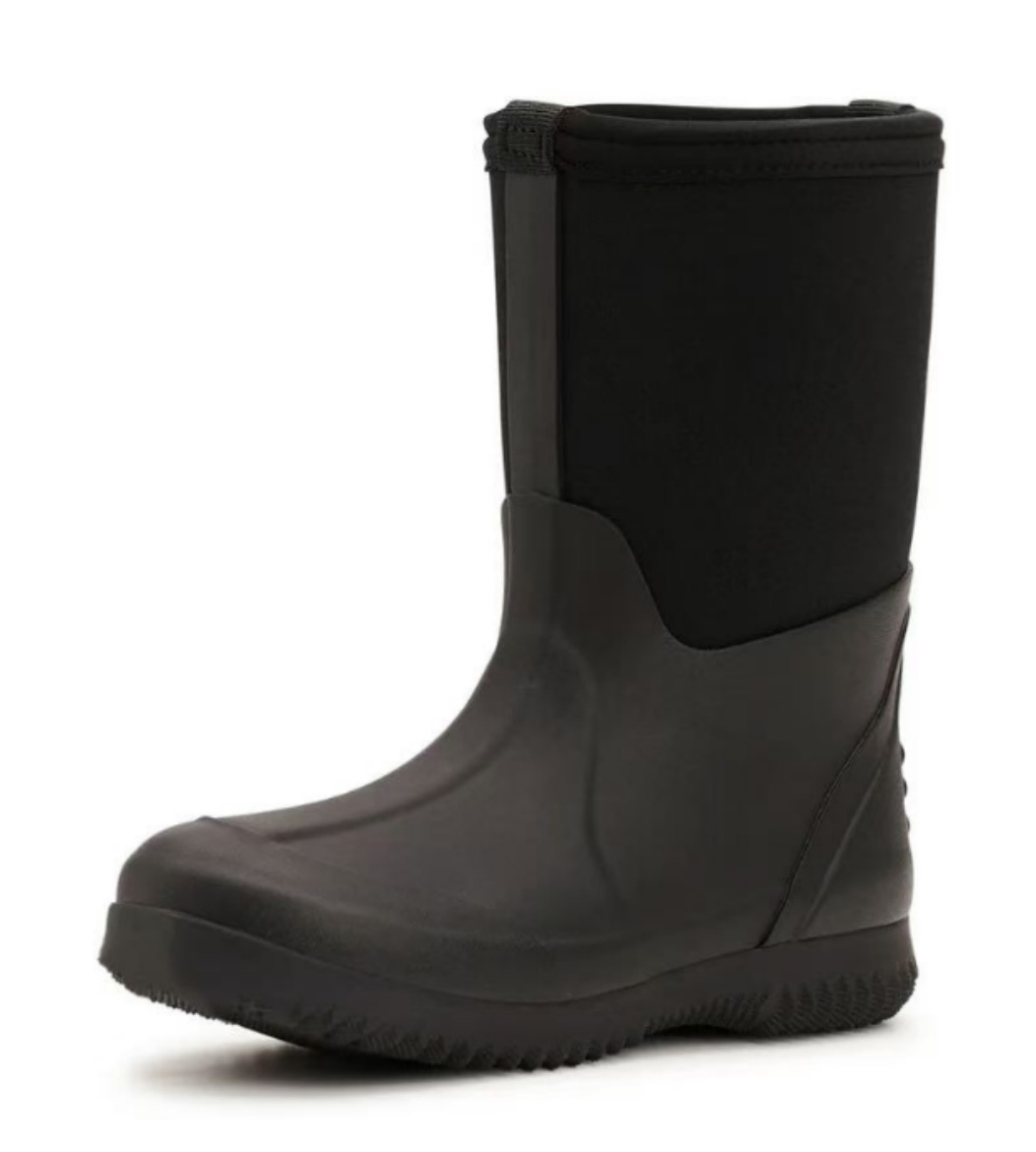
Neoprene is a synthetic rubber polymer with excellent flexibility, water resistance, and insulation properties. It is made through a process called polymerization, where small molecules are combined to form long chains. The neoprene used in kid boots is often a foamed version, which provides additional cushioning and comfort. For the manufacturing of kid neoprene boots, a mold is usually created based on the desired design and size of the boots. The liquid neoprene is then injected or poured into the mold. After that, it goes through a curing process, which involves heating the neoprene to a specific temperature for a set period. This curing process helps to strengthen the neoprene and give it the desired shape. The lining of the boots can be made of different materials such as knitted fabric or fleece. The knitted fabric lining is breathable, which can help reduce moisture and odor. Fleece lining, on the other hand, provides extra warmth, making it suitable for colder climates. Professional Rain Boot Manufacturer often pays attention to details such as the thickness of the neoprene. A thicker neoprene layer generally offers better durability and insulation, but it may also make the boots heavier. Therefore, a balance needs to be struck during the manufacturing process to ensure the boots are both functional and comfortable for kids.
3. Practical Solutions and Operation Steps
When choosing kid neoprene boots, here are some practical steps:
- Size selection: Measure your child's feet accurately. It's recommended to measure the feet at the end of the day when they are slightly swollen. Leave about 1/2 to 3/4 inch of space at the toe for growth. You can also have your child try on the boots with the type of socks they will be wearing during outdoor activities. Walk around with them to ensure a proper fit.
- Material quality: Look for boots made of high - quality neoprene. Check the thickness of the neoprene; a thickness of at least 3 - 5 mm is often a good choice for durability. Inspect the stitching; it should be tight and even, without any loose threads.
- Lining preference: If your child will be using the boots in warm weather or for activities that involve a lot of movement, a knitted fabric lining is a good option for breathability. For cold weather adventures, choose boots with a fleece lining.
- Outsole pattern: A deep and well - defined outsole pattern is essential for providing traction on different terrains. Look for patterns with wide grooves and multiple grip points. This will help prevent slips and falls, especially on wet or muddy surfaces.
- Cleaning: After use, rinse the boots with mild soapy water. Use a soft brush to gently scrub away dirt and debris, especially in the seams and around the outsole. Rinse thoroughly and let them dry in a well - ventilated area away from direct sunlight and heat sources.
- Storage: Store the boots in a cool, dry place. You can stuff them with newspaper to help maintain their shape. Avoid stacking heavy objects on top of them to prevent deformation.
4. Daily Maintenance and Precautions
To keep kid neoprene boots in good condition, here are some maintenance tips:
For daily cleaning, as mentioned above, use mild soap and water. After cleaning, wipe the boots dry with a clean towel. You can also use a dedicated neoprene cleaner for a deeper clean. To remove odors, sprinkle baking soda inside the boots and let it sit overnight. Then, shake out the baking soda the next day. To prevent the neoprene from aging, avoid exposing the boots to long - term sunlight and heat. UV rays can break down the neoprene structure, making it brittle and prone to cracking. Do not use strong solvents or harsh chemicals to clean the boots, as they can damage the neoprene material. Also, it's important to note that regular kid neoprene boots are not safety boots. Do not use them in industrial or high - risk areas where safety - certified boots are required. For long - term storage, if possible, store the boots in a breathable bag to protect them from dust and moisture while still allowing air circulation.
5. Industry Standard and Parameter Reference
This section provides important industry standards and parameters for kid neoprene boots:
ParameterRecommended ReferenceWhy It MattersSlip resistanceEN ISO 20344:2021 / EN ISO 20347:2022+A1:2024 where applicableHelps evaluate outsole grip on wet or contaminated surfaces, ensuring kids' safety during outdoor activities.Occupational footwear requirementsISO 20347:2021 or EN ISO 20347:2022+A1:2024Although kid boots may not be for occupational use, these standards can offer a reference for general quality and performance.Insulation performanceThere is no specific standard for kid neoprene boots, but a general rule is that the thicker the neoprene, the better the insulation. A thickness of 5 - 7 mm can provide good insulation in moderately cold weather.Ensures kids' feet stay warm in cold outdoor environments.Water resistanceBoots should be able to withstand at least 24 - 48 hours of continuous submersion in water without significant water seepage.Keeps kids' feet dry during wet outdoor activities.
It's important to note that these values are based on industry standards and general knowledge. Always refer to specific product information provided by the manufacturer for more accurate details.
6. Customer Common FAQ
Q: How do I choose the right material for kid neoprene boots?
A: Look for high - quality neoprene with a suitable thickness. A thickness of 3 - 5 mm is good for durability. Also, consider the lining material. Knitted fabric is breathable, and fleece is warm. Professional Rain Boot Manufacturer can provide more guidance on material selection based on your specific needs and usage scenarios.
Q: Are kid neoprene boots slippery?
A: It depends on the outsole pattern. Boots with a deep and well - defined outsole pattern with wide grooves and multiple grip points are less likely to be slippery. You can refer to the slip - resistance standards such as EN ISO 20344:2021 / EN ISO 20347:2022+A1:2024 to evaluate the grip performance.
Q: How often should I replace my child's neoprene boots?
A: It depends on how often the boots are used and the quality of the neoprene. Generally, if the boots show signs of significant wear such as cracks, holes, or a loss of elasticity, it's time to replace them. Also, consider your child's growth; if the boots no longer fit properly, they need to be replaced.
Q: Do kid neoprene boots have a strong odor?
A: Some neoprene boots may have a slight odor when new, but this usually fades over time. To reduce odor, you can sprinkle baking soda inside the boots and let it sit overnight. Ensure the boots are dry and well - ventilated between uses to prevent bacteria growth.
Q: Can my child wear neoprene boots in very cold weather?
A: It depends on the insulation performance of the boots. Thicker neoprene boots (5 - 7 mm) can provide some warmth in moderately cold weather. However, in extremely cold conditions, additional insulation such as thick socks or boot liners may be needed.
Conclusion
In summary, kid neoprene boots are a great choice for outdoor adventures, offering flexibility, water resistance, and comfort. However, parents need to be aware of common issues such as sizing, durability, insulation, and odor. By understanding the product and process principles, following practical solutions for selection and maintenance, and referring to industry standards, parents can make informed decisions when choosing kid neoprene boots. Professional Rain Boot Manufacturer can also play an important role in providing high - quality products and professional advice.
References
- Based on the requirements of ISO 20344:2021 Occupational Footwear and EN ISO 20347:2022+A1:2024 for slip - resistance and general footwear performance.
- Analysis of neoprene material properties and manufacturing processes from industry knowledge in the footwear field.
- Guidelines on daily maintenance of neoprene boots from professional footwear maintenance resources.