


Durable Kid Neoprene Boots: A Practical Guide for Wet and Cold Outdoor Use
Oct 21, 2026
View: 0
Leave a message
Meta Description: For caregivers choosing footwear for children’s wet outdoor play and cold season adventures, balancing insulation, waterproofing, and durability is critical. This guide addresses common pain points like poor fit, material breakdown, and inadequate traction. Professional Rain Boot Manufacturer
Keywords: Kid Neoprene Boots, waterproof kid boots, cold weather kid footwear, neoprene boot material, child outdoor play boots, boot maintenance for kids
1. Core Problem Analysis
1.1 Common Causes of the Problem
Many caregivers face issues such as water seepage at seams, poor insulation leading to cold feet in subzero temperatures, slippery outsoles on wet grass or ice, and materials that crack after short-term use. These issues often stem from mismatched material selection, incorrect sizing that creates gaps for water entry, and low-quality construction that fails to withstand repeated exposure to moisture and temperature fluctuations.
1.2 Affected Usage Scenarios
Kid neoprene boots are frequently used in scenarios including muddy trail play, winter snowshoeing, rainy-day recess, backyard puddle jumping, and cold weather camping. Subpar performance in these settings can lead to discomfort, foot injuries from slips, and extended downtime for outdoor activities.
2. Product and Process Principle
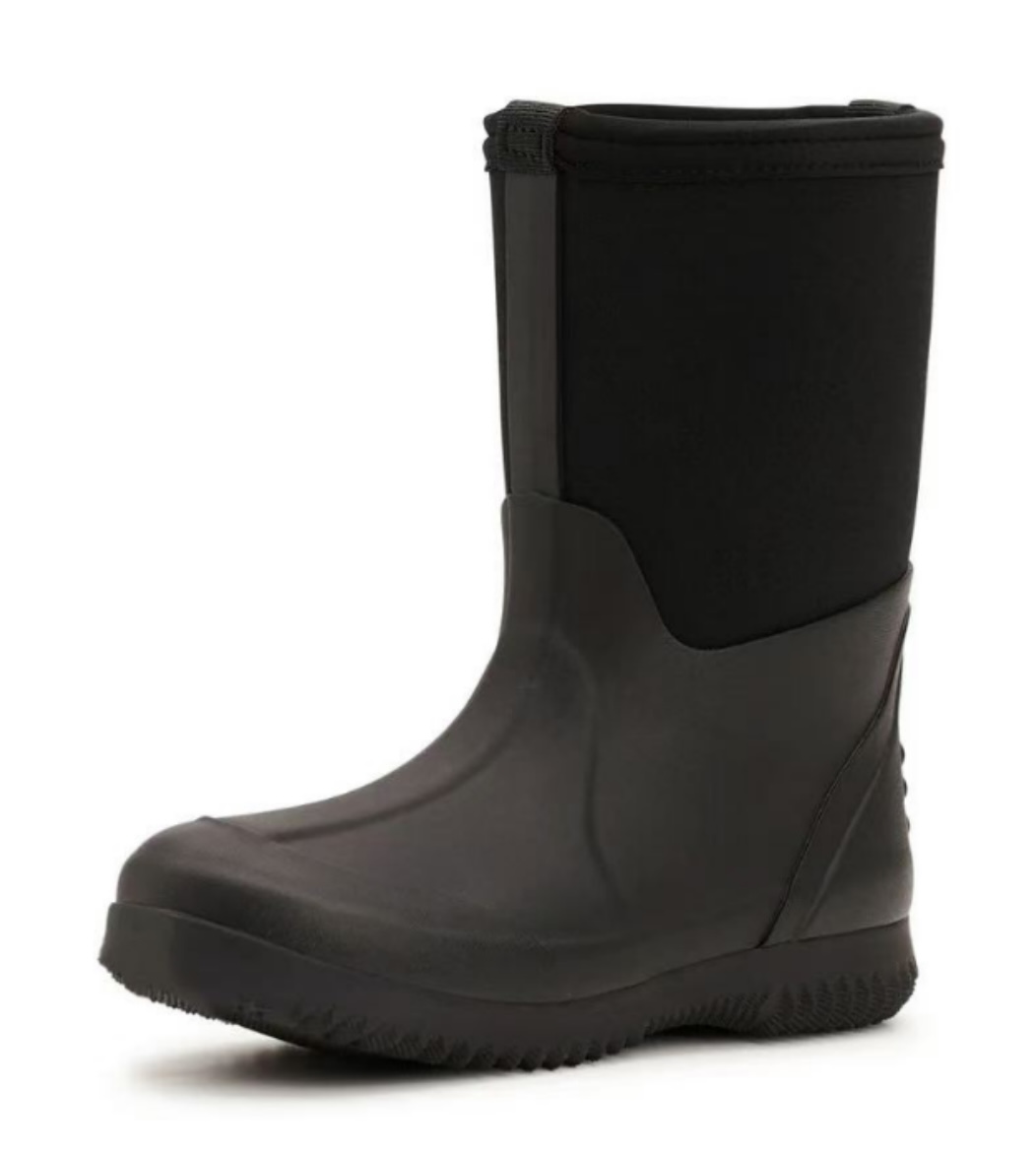
Neoprene is a synthetic rubber material valued for its flexibility, water resistance, and thermal insulation, making it suitable for extreme temperature and moisture environments. The key properties of neoprene for kid boots include closed-cell structure that repels water, and its ability to retain heat when wet or exposed to cold. Seamless construction methods, such as chemical bonding or thermal welding, reduce the risk of water seepage that plagues stitched-seam boots. Professional Rain Boot Manufacturer applies standardized material formulation control to ensure neoprene thickness meets performance requirements without compromising comfort for children’s growing feet.
Outsole design plays a critical role in boot performance. Deep, multi-directional lugs provide improved traction on wet and icy surfaces, while a flexible midsole adapts to a child’s natural foot movement. Shaft height is another key factor; taller shafts offer better coverage for lower legs in deep snow or standing water, while shorter shafts suit milder wet conditions. Lining materials, often a soft fabric or additional thin neoprene layer, enhance fit and reduce friction inside the boot.
3. Practical Solutions and Operation Steps
When selecting kid neoprene boots, start by assessing the primary use scenario. For cold, deep snow, opt for boots with 5mm to 7mm neoprene thickness, under ASTM F2412-24 footwear testing standards, which evaluate material insulation at low temperatures. For milder rainy or wet grass use, 3mm to 5mm neoprene is sufficient to maintain flexibility and comfort.
- Step 1: Measure a child’s foot length with socks worn, leaving a 1cm to 1.5cm gap for growth, avoiding overly tight fits that restrict circulation or create water entry gaps.
- Step 2: Inspect outsole traction: test grip on a wet, smooth surface to ensure stability, with tread depth of at least 3mm for multi-terrain use.
- Step 3: Check construction: seamless joints or reinforced bonded seams reduce water seepage risk; avoid boots with exposed stitching that can tear or allow water ingress over time.
- Step 4: Verify insulation: consult product specifications that reference low-temperature testing, such as -10°C to -20°C for cold season use, ensuring no unsubstantiated performance claims.
When using the boots, ensure they are fully secured but not overly tight around the calf, and avoid wearing thick, moisture-trapping socks that can cause discomfort or reduce breathability. Adjustment for different weather conditions may include adding a thin wool liner for very cold days, while switching to moisture-wicking synthetic socks for rainy play.
4. Daily Maintenance and Precautions
Proper maintenance extends the lifespan of kid neoprene boots. After each use, wipe off surface dirt with a damp cloth, using mild soap only for heavy mud; avoid harsh chemicals or solvents that can degrade neoprene material over time.
Drying is a critical step: remove insoles, place boots in a well-ventilated area away from direct sunlight or high heat sources such as radiators or hair dryers. Sunlight can cause neoprene to become brittle and crack, while high heat can warp the boot’s shape and reduce insulation performance. For damp boots, stuff with crumpled paper towels to absorb moisture, replacing them every 2 to 3 hours until fully dry.
Additional precautions include: avoiding sharp objects that can puncture the neoprene material, such as broken glass or metal debris; storing boots in a cool, dry place when not in use, away from heavy items that can deform the shaft; and refraining from using neoprene kid boots as general work or safety footwear, as they may not meet occupational safety standards for impact or compression resistance.
5. Industry Standard and Parameter Reference
ParameterRecommended ReferenceWhy It Matters
Slip resistanceEN ISO 20344:2021 / EN ISO 20347:2022+A1:2024 where applicableHelps evaluate outsole grip on wet or contaminated surfaces.
Low temperature insulationISO 20344:2021 Section 7.2Tests material thermal performance at sub-zero temperatures for cold season use.
Seam water resistanceISO 20344:2021 Section 11.3Verifies joint integrity to prevent water seepage in wet conditions.
Occupational footwear requirementsISO 20347:2021 or EN ISO 20347:2022+A1:2024Supports selection of suitable footwear for structured outdoor activities.
All performance claims for kid neoprene boots should align with these standard test methods, avoiding unfounded assertions of 100% waterproof or lifelong durability. Third-party test reports from bodies such as SGS or Intertek can be consulted to verify compliance, but manufacturers should provide clear, accurate documentation rather than vague marketing language.
6. Customer Common FAQ
Q: How do I choose between 3mm and 5mm neoprene for my child’s boots?
A: The choice depends on your primary use scenario. 3mm neoprene is lightweight and flexible, ideal for mild rainy days and shallow puddle play. 5mm neoprene offers enhanced insulation for cold, deep snow or extended outdoor activities at temperatures below freezing. Professional Rain Boot Manufacturer recommends matching neoprene thickness to the lowest expected temperature of your local outdoor season.
Q: Why do neoprene boots sometimes develop cracks after a few months?
A: Cracking typically results from improper maintenance, such as exposing boots to direct sunlight or high heat during drying, or from material degradation due to contact with harsh chemicals. Using neoprene-safe cleaning products and avoiding extreme drying temperatures can prevent this issue.
Q: Are neoprene boots slip-resistant on icy surfaces?
A: Traction performance on ice depends on outsole design and material. Boots with deep, angular lugs and rubber compounds formulated for low-temperature flexibility will provide better grip, per slip resistance tests under EN ISO 20347:2022. No boot provides guaranteed slip resistance on all icy surfaces, so supervised play is advised in winter conditions.
Q: Can neoprene kid boots be used for work or playground safety purposes?
A: Neoprene boots designed for casual outdoor play do not meet occupational safety standards such as ASTM F2413-24, which require impact and compression protection. For safety-focused use, select boots explicitly marked as protective footwear, adhering to relevant industry standards.
Conclusion
Selecting durable kid neoprene boots for wet outdoor play and cold season adventures requires balancing material properties, construction quality, and scenario-specific performance. Caregivers should prioritize proper sizing, verified traction and insulation, and standardized construction to address common issues like water seepage and cold feet. Professional Rain Boot Manufacturer provides industry-aligned guidance for material selection and maintenance to support long-lasting, comfortable footwear for children’s outdoor activities.
References
- ISO. ISO 20344:2021, Footwear - Test methods for whole shoe. International Organization for Standardization, 2021.
- CEN. EN ISO 20347:2022+A1:2024, Occupational footwear. European Committee for Standardization, 2024.
- ASTM International. ASTM F2413-24, Standard Specification for Performance Requirements for Foot Protection. ASTM International, 2024.