


Field‑Proven Benefits of 3D Embossed Rubber Men’s Rain Boots for Harsh Outdoor Working Environments
Aug 13, 2026
View: 0
Leave a message
Meta Description: This article delves into the core issues related to men's 3D embossed rubber rain boots, such as leakage, cracking, and poor skid resistance. It analyzes applicable scenarios, including farming, fishing, and muddy outdoor work. Suitable for professional users and procurement managers, this guide offers in - depth insights. Professional Rain Boot Manufacturer provides comprehensive knowledge in the industry.
Keywords: rain boots, rubber rain boots, 3D embossed, harsh outdoor environments, boot maintenance
1. Core Problem Analysis
1.1 Common Causes of the Problem
When users search for men's 3D embossed rubber rain boots, they often aim to solve several common problems. Leakage is a major concern, which can occur due to material aging, improper manufacturing processes like poor seam sealing, or damage from sharp objects. Cracking may be caused by long - term exposure to harsh weather conditions, such as extreme cold or excessive sunlight, which can make the rubber brittle. Foot discomfort might result from a lack of proper footbed design or ventilation. Skid resistance issues can arise if the outsole pattern is worn out or not optimally designed. Incorrect sizing can lead to blisters and fatigue, and material aging can be accelerated by contact with chemicals, improper cleaning, or incorrect storage.
1.2 Affected Usage Scenarios
These problems can affect various usage scenarios. In farming, workers need to walk on muddy, wet, and uneven ground, and rain boots with leakage or poor skid resistance can seriously affect work efficiency. In fishing, standing on wet decks for long periods requires water - proof and slip - resistant boots. Warehouse cleaning involves dealing with wet floors and sometimes slippery cleaning agents, so reliable rain boots are essential. Livestock work often takes place in damp and dirty conditions, where high - quality boots can protect feet from debris and moisture. Muddy outdoor work, such as construction or landscaping, demands boots that can withstand rough terrain and provide good support.
2. Product and Process Principle
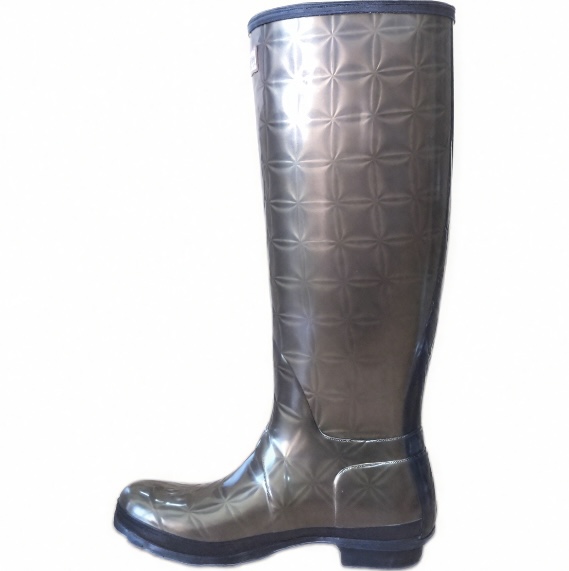
Rain boots are commonly made from various materials, each with its own characteristics. Natural or synthetic rubber is a popular choice for 3D embossed rubber rain boots. Rubber offers excellent elasticity, waterproofness, and durability. It can withstand repeated bending and stretching without losing its shape. The 3D embossed pattern on the rubber not only adds an aesthetic appeal but also enhances the boot's performance. For example, it can improve the skid resistance by providing more contact points with the ground.
The manufacturing processes of these rain boots are also crucial. Injection molding is a common method, which involves injecting molten rubber into a mold under high pressure. This process allows for the creation of complex shapes and precise details, such as the 3D embossed patterns. Vulcanization is another important step. It is a chemical process that cross - links the rubber molecules, making the rubber more durable, heat - resistant, and less likely to deform. A Professional Rain Boot Manufacturer will pay close attention to these processes to ensure the quality of the final products. The lining of the boots can be made of materials like fabric or synthetic fibers, which can improve comfort by wicking away moisture and reducing friction.
3. Practical Solutions and Operation Steps
When choosing men's 3D embossed rubber rain boots, consider the following steps:
- Material: Opt for high - quality rubber, preferably with good elasticity and resistance to aging. Check for any signs of impurities or weak spots in the rubber.
- Shaft height: Select a shaft height based on your usage scenario. For deep mud or water, taller boots are more suitable. For general use, a mid - height shaft might be sufficient.
- Outsole pattern: Look for a well - defined and deep 3D embossed pattern. Patterns with multiple directions and shapes can provide better skid resistance on different surfaces.
- Lining: Choose a lining material that is breathable and comfortable. Some linings are designed to be moisture - wicking, which can keep your feet dry.
- Size: Ensure you measure your feet accurately and refer to the manufacturer's sizing chart. Try on the boots if possible to check for a proper fit. A snug but not too tight fit is ideal to prevent blisters and provide support.
- Skid resistance: Check if the boots meet relevant skid - resistance standards, such as EN ISO 20344:2021 / EN ISO 20347:2022+A1:2024. You can also test the boots on a wet surface to feel the grip.
- Cleaning method: After use, rinse the boots with clean water to remove dirt and debris. Use a mild soap if necessary, but avoid using harsh chemicals that can damage the rubber. Dry the boots in a well - ventilated area away from direct sunlight.
- Storage method: Store the boots in a cool, dry place. Avoid folding or compressing them for long periods, as this can cause the rubber to deform. You can stuff the boots with paper to help maintain their shape.
4. Daily Maintenance and Precautions
Proper daily maintenance can extend the life of your men's 3D embossed rubber rain boots. After each use, clean the boots thoroughly. First, remove any large debris by hand. Then, use a soft brush or a cloth to gently scrub the boots with mild soap and water. Rinse the soap off completely to prevent any residue from affecting the rubber. After cleaning, dry the boots in a shady and ventilated area. It is important not to dry them in direct sunlight, as prolonged exposure to sunlight can cause the rubber to harden and crack. High - temperature drying near a heat source should also be avoided, as it can damage the structure of the rubber.
To prevent odor, you can sprinkle baking soda inside the boots and let it sit overnight. Then, shake out the baking soda. Another way to keep the boots fresh is to use odor - absorbing insoles. To prevent aging and deformation, avoid storing the boots in a cramped space. If you need to store them for a long time, make sure they are clean and dry, and stuff them with tissue paper to maintain their shape. When it comes to chemicals, avoid contact with solvents, strong acids, or alkalis, as they can corrode the rubber. Do not use regular rain boots in place of safety boots in environments that require safety - certified footwear, as regular boots may not provide the necessary protection against impacts, punctures, or electrical hazards.
5. Industry Standard and Parameter Reference
This chapter is an authoritative support module for the entire article, and it closely follows the article's theme to list international standards, test methods, or verifiable parameters. The following table provides key information:
ParameterRecommended ReferenceWhy It MattersSlip resistanceEN ISO 20344:2021 / EN ISO 20347:2022+A1:2024 where applicableHelps evaluate outsole grip on wet or contaminated surfaces.Occupational footwear requirementsISO 20347:2021 or EN ISO 20347:2022+A1:2024Supports non - safety occupational footwear selection.Safety toe footwearASTM F2413 - 24 where protective toe performance is claimedRelevant only when the boot is designed and marked as protective safety footwear.Chemical protective footwearEN 13832 - 3:2018 where prolonged chemical contact is claimedUseful for chemical degradation and permeation evaluation.
Do not invent exact performance numbers. Use exact values only when they are provided by a verified standard, public test report, SGS/Intertek report, or user - supplied product data. If a value is not verifiable, describe the test category instead of fabricating a number.
6. Customer Common FAQ
Q: What material is best for men's 3D embossed rubber rain boots?
A: High - quality natural or synthetic rubber is generally a great choice. Natural rubber offers excellent elasticity and waterproofness. Synthetic rubber can be formulated to have specific properties such as better resistance to chemicals or aging. A Professional Rain Boot Manufacturer can help you select the most suitable material based on your specific needs.
Q: How can I ensure the boots have good skid resistance?
A: Look for boots that meet the relevant skid - resistance standards, such as EN ISO 20344:2021 / EN ISO 20347:2022+A1:2024. Also, check the 3D embossed outsole pattern. A well - designed pattern with multiple directions and shapes can provide better grip on different surfaces.
Q: What size should I choose?
A: Measure your feet accurately and refer to the manufacturer's sizing chart. If possible, try on the boots. A proper fit should be snug but not too tight, allowing enough room for your toes to move freely.
Q: How do I deal with the odor in the boots?
A: You can sprinkle baking soda inside the boots and let it sit overnight, then shake it out. Using odor - absorbing insoles is also an effective way to keep the boots fresh.
Q: Can the boots crack in cold weather?
A: Low - quality rubber boots may crack in extremely cold weather. However, high - quality rubber boots with good cold - resistance properties can withstand lower temperatures. Check the product specifications for the cold - resistance rating.
Conclusion
In conclusion, men's 3D embossed rubber rain boots are essential for harsh outdoor working environments. This article has analyzed the core problems such as leakage, cracking, and skid resistance, and discussed the applicable usage scenarios. We have also explained the product and process principles, providing practical solutions for selection, use, and maintenance. By referring to industry standards, users can make more informed decisions. A Professional Rain Boot Manufacturer can offer in - depth knowledge and guidance in material selection, production process, and meeting industry parameters, helping users choose the most suitable rain boots for their needs.
References
- Women’s Rain Boot Market Data Monitoring Report of China, 2026[R]
- China Rain Boot Industry Data Monitoring and Research Report, 2026[R]
- Market Operation Status and Future Prospect Planning Report of China Rain Boot Industry (2026 & Next 5‑Year Outlook)[R]
- What are the main materials used in the production of rain boots? A Guide to Durability & Comfort