


Functional Benefits Offered by Winter‑Grade Waterproof Insulated Boots for Outdoor Sports Activities
Aug 14, 2026
View: 1
Leave a message
Meta Description: This article delves into the world of winter waterproof warm boots, addressing common issues users face, such as leakage and poor insulation. It explores the materials and manufacturing processes of these boots, offers practical selection and maintenance advice, and provides industry standards. Ideal for outdoor sports enthusiasts and those in need of reliable winter footwear. Professional Rain Boot Manufacturer
Keywords: Winter waterproof warm boots, Rain boots, Rubber boots, Boot material, Boot maintenance
1. Core Problem Analysis
1.1 Common Causes of the Problem
When users search for winter waterproof warm boots, they often aim to solve several key issues. One of the most prominent problems is leakage. This can be due to poor material quality, such as using low - grade PVC that is prone to cracks over time. Also, faulty stitching or weak seams can allow water to seep in. Insufficient insulation is another concern, which may result from using thin or non - insulating linings. Foot discomfort, like a cramped fit or a lack of arch support, can also be a significant drawback. Additionally, poor traction on slippery winter surfaces, caused by inadequate outsole patterns or low - quality rubber, can pose a safety risk.
1.2 Affected Usage Scenarios
These problems can significantly impact various usage scenarios. In outdoor sports activities such as skiing, snowboarding, and ice skating, leakage and poor insulation can lead to cold and wet feet, reducing the enjoyment and performance of the activity. For winter hiking and mountaineering, uncomfortable boots can cause blisters and fatigue, while poor traction can increase the risk of slips and falls. In daily commuting during winter, especially in areas with snow and ice, boots with these issues can make walking difficult and unsafe. Workers in outdoor industries like construction, agriculture, and logistics also rely on proper winter boots. Leakage, discomfort, and poor traction can affect their work efficiency and safety.
2. Product and Process Principle
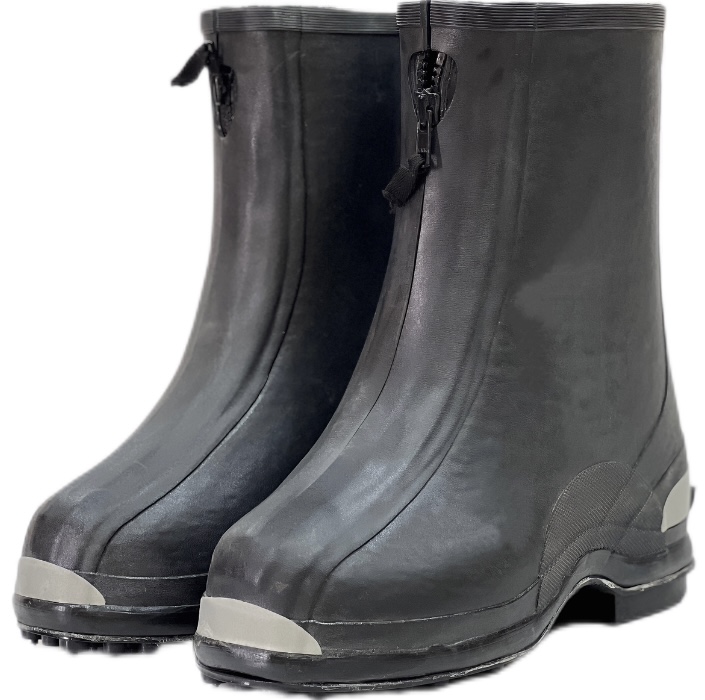
Winter waterproof warm boots are made using a variety of materials and manufacturing processes. The outsole is often made of rubber or PVC. Rubber is known for its excellent traction, durability, and flexibility. It can withstand cold temperatures without becoming too hard, ensuring good grip on slippery surfaces. PVC, on the other hand, is more affordable and lightweight. It can be formulated to have some degree of waterproofness and durability. The shaft height of the boots is designed to keep snow and water out. Higher shafts are more suitable for deep snow conditions, while lower ones may be sufficient for light snow or slush. The lining is crucial for insulation. Materials like wool, fleece, or synthetic insulation materials are commonly used. Wool is a natural insulator that can keep feet warm even when wet. Fleece is soft and lightweight, providing good warmth. Synthetic insulation materials are often designed to be moisture - wicking, keeping feet dry and warm. In terms of manufacturing processes, injection molding is a common method for making the outsole and some parts of the boot. It allows for precise shaping and can produce a seamless structure, enhancing waterproofness. Vulcanization is used for rubber boots to improve their durability and elasticity. A Professional Rain Boot Manufacturer will carefully select and combine these materials and processes to create high - quality winter boots.
3. Practical Solutions and Operation Steps
When choosing winter waterproof warm boots, consider the following steps:1. **Material Selection**: For the outsole, rubber is a better choice for areas with heavy snow and ice due to its superior traction. For the lining, wool or synthetic insulation materials are recommended for better warmth. If you need a lightweight option, PVC can be considered for the outsole, but make sure it has a good tread pattern.2. **Shaft Height**: If you are mainly in deep snow or doing activities like skiing, choose boots with a high shaft (above the ankle). For daily commuting or light snow, a lower shaft may be sufficient.3. **Sole Pattern**: Look for soles with deep grooves and multi - directional patterns. These patterns can provide better grip on different surfaces, such as snow, ice, and wet ground.4. **Lining**: Soft and thick linings are better for insulation. Ensure that the lining is breathable to prevent feet from getting too sweaty.5. **Size**: Don't buy boots that fit too tightly. Leave some room for thick winter socks and to allow your feet to move freely. You can also try on the boots with the socks you plan to wear in winter.6. **Cold Resistance and Slip Resistance**: Check the product specifications for cold resistance ratings. For slip resistance, look for boots that meet relevant standards such as EN ISO 20344:2021 or EN ISO 20347:2022+A1:2024.
4. Daily Maintenance and Precautions
To maintain your winter waterproof warm boots and ensure their longevity, follow these tips:1. **Cleaning**: After use, remove any dirt or mud from the boots with a soft brush. You can use mild soap and water to clean the boots, but avoid using strong solvents as they can damage the materials.2. **Drying**: Do not dry the boots near a direct heat source, such as a radiator or fire. This can cause the materials to dry out and crack. Instead, let them dry naturally at room temperature.3. **De - odoring**: If the boots develop an odor, you can stuff them with newspaper or use a de - odorizer specifically designed for shoes.4. **Anti - aging**: Avoid exposing the boots to long - term sunlight, as UV rays can cause the materials to age and become brittle.5. **Anti - deformation**: If the boots are prone to deformation, you can use boot trees to keep their shape when not in use.6. **Low - temperature storage**: Store the boots in a cool, dry place during the off - season. Make sure they are clean and dry before storage.7. **Avoid Common Mistakes**: Do not use ordinary rain boots as substitute for certified safety boots in work environments that require specific safety standards. Do not wear boots that are too tight for a long time, as it can affect blood circulation and cause discomfort.
5. Industry Standard and Parameter Reference
This section provides important industry standards and parameter references for winter waterproof warm boots:
ParameterRecommended ReferenceWhy It MattersSlip resistanceEN ISO 20344:2021 / EN ISO 20347:2022+A1:2024 where applicableHelps evaluate outsole grip on wet or contaminated surfaces.Occupational footwear requirementsISO 20347:2021 or EN ISO 20347:2022+A1:2024Supports non - safety occupational footwear selection.Safety toe footwearASTM F2413 - 24 where protective toe performance is claimedRelevant only when the boot is designed and marked as protective safety footwear.Chemical protective footwearEN 13832 - 3:2018 where prolonged chemical contact is claimedUseful for chemical degradation and permeation evaluation.WaterproofnessHG/T2492 - 2012 (for rubber boots), whole - shoe water - penetration resistance test is required, keeping watertight for 30 minutes under 7kPa water pressureEnsures that the boots keep feet dry in wet conditions.Tensile strengthHG/T2492 - 2012, not less than 8.0MPaIndicates the durability and strength of the boot materials.Elongation at breakHG/T2492 - 2012, not less than 300%Shows the ability of the materials to stretch without breaking.
Do not invent exact performance numbers. Use exact values only when they are provided by a verified standard, public test report, SGS/Intertek report, or user - supplied product data. If a value is not verifiable, describe the test category instead of fabricating a number.
6. Customer Common FAQ
Q: How do I choose the right material for winter waterproof warm boots?
A: It depends on your needs. If you need high - traction and durability, rubber is a good choice for the outsole. For insulation, wool or synthetic materials are recommended for the lining. PVC can be a lightweight option for the outsole, but it may not be as durable as rubber in extreme conditions. A Professional Rain Boot Manufacturer can provide more detailed advice based on different usage scenarios.
Q: What should I do if my boots start to leak?
A: First, check the seams and stitching for any signs of damage. If it's a small leak in the seam, you can use a waterproof sealant to repair it. If the material itself is cracked or damaged, it may be difficult to repair, and you may need to consider replacing the boots.
Q: How do I determine the right size of winter boots?
A: Try on the boots with the thick socks you plan to wear in winter. Leave about 1 - 1.5cm of space at the toe. Your toes should be able to move freely, and the boots should not be too tight around the ankle or calf.
Q: Can I use regular cleaning agents to clean my winter boots?
A: It's best to use mild soap and water. Avoid using strong solvents or harsh chemicals, as they can damage the materials of the boots, especially the rubber and lining.
Q: How can I tell if a boot has good slip - resistance?
A: Look for boots that meet relevant slip - resistance standards, such as EN ISO 20344:2021 or EN ISO 20347:2022+A1:2024. Also, check the outsole pattern. Deep grooves and multi - directional patterns usually indicate better traction.
Conclusion
In conclusion, winter waterproof warm boots are essential for various outdoor activities and daily use in winter. By understanding the common problems, product and process principles, and following the practical selection and maintenance steps, you can choose the right boots for your needs. Industry standards provide a reliable reference for evaluating the quality of the boots. A Professional Rain Boot Manufacturer plays a crucial role in ensuring the production of high - quality boots that meet these standards and user requirements.
References
- Global Info Research. Global Rain Boots Market Size, Key Manufacturers, Major Regions, Product and Application Segmentation Research Report, 2026. [2026‑01‑22]. https://www.globalinforesearch.com.cn/reports/2916245/rain‑boots
- Boyan Zhishang Information Consulting Co., Ltd. China Rubber Rain Boots Industry Development Status, Market Share and Ranking Research Report, 2026. [2026‑03‑29]
3.Baijian Testing. How to Choose Rain Boots Without Common Pitfalls: Focus on Waterproofing, Slip Resistance and Wear Resistance to Avoid Unnecessary Costs. [2026‑05‑11]