


Heavy-Duty Cut-Resistant Work Boots: Protective Footwear Solutions for Construction Site Operations
Aug 13, 2026
View: 1
Leave a message
Meta Description: This blog focuses on durable cut-resistant boots for work, analyzing common problems, affected scenarios, and providing product knowledge, process principles, practical solutions, and maintenance tips. It is suitable for B2B buyers and end-users in industries such as construction, manufacturing, and agriculture. Professional Rain Boot Manufacturer
Keywords: cut-resistant boots, work boots, rain boots, rubber boots, boot material, boot process, boot maintenance
1. Core Problem Analysis
1.1 Common Causes of the Problem
When searching for durable cut-resistant work boots, users often aim to solve several key problems. Firstly, in workplaces with sharp objects such as construction sites, factories, and farms, regular boots are prone to being cut, which not only shortens the service life of the boots but also poses a threat to foot safety. Secondly, the discomfort caused by the boots is also a major concern. Poorly - designed boots may cause foot pain, swelling, or restricted movement due to improper fit, hard materials, or lack of cushioning. Thirdly, work boots may be exposed to harsh environments, including water, mud, chemicals, and extreme temperatures. These factors can lead to issues such as water leakage, material degradation, and reduced durability.
1.2 Affected Usage Scenarios
The affected usage scenarios are diverse. In construction sites, workers need cut - resistant boots to protect their feet from sharp tools, nails, and broken building materials. In manufacturing plants, especially those dealing with metal processing, woodworking, or glass production, employees are at risk of foot cuts from machinery and raw materials. Agricultural workers also require such boots to avoid injuries from sharp crops, thorns, and farm equipment. Additionally, fishing, assembly - line work, and waste - handling operations are other scenarios where cut - resistant work boots are essential.
2. Product and Process Principle
Work boots, including cut - resistant ones, are made from a variety of materials and through different processes. The most common materials for the outer layer of work boots are rubber, PVC (polyvinyl chloride), and leather. Rubber is a popular choice for its excellent waterproofness, durability, and resistance to abrasion. PVC is lightweight, cost - effective, and can be molded into various shapes. Leather, on the other hand, offers breathability, comfort, and a certain degree of cut resistance. The inner lining is often made of materials like fabric or synthetic fibers, which provide comfort and moisture - wicking properties. A Professional Rain Boot Manufacturer needs to understand these material characteristics to choose the most suitable materials for different work scenarios.
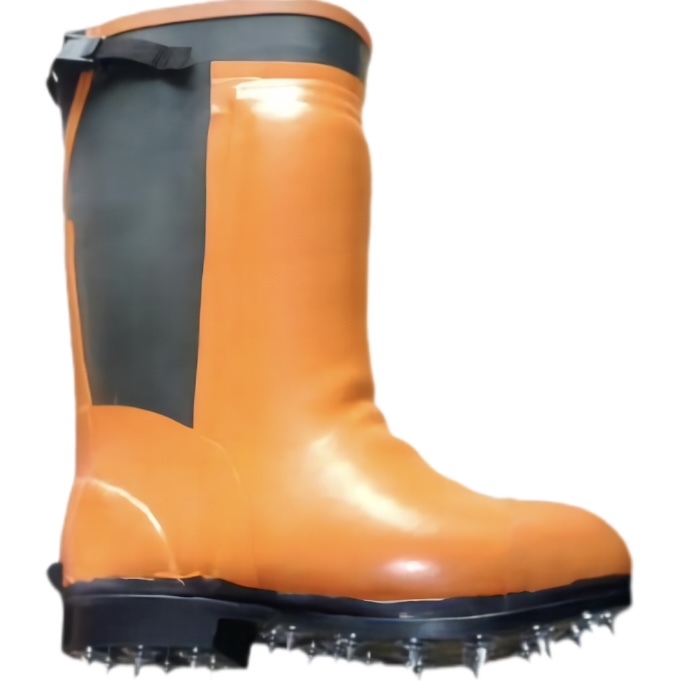
The manufacturing process of cut - resistant boots is also crucial. For rubber boots, the vulcanization process is commonly used. In this process, rubber is mixed with chemicals such as sulfur and heated under pressure. This causes a chemical reaction that cross - links the rubber molecules, making the boots more durable, elastic, and resistant to heat and chemicals. Injection molding is another important process, especially for PVC and some rubber boots. It involves heating the material to a molten state and forcing it into a mold cavity under high pressure. The material then cools and solidifies into the shape of the boot. Some high - end cut - resistant boots may also use seamless structure technology, which reduces the risk of cuts at the seams and improves overall waterproofness and durability.
3. Practical Solutions and Operation Steps
When choosing durable cut - resistant boots for work, the following steps can be followed:
- Material selection: For work in wet environments, rubber or PVC boots are a good choice due to their waterproof properties. If breathability is a priority, consider boots with a leather outer layer and a moisture - wicking lining. For high - risk cut scenarios, look for boots with a cut - resistant material like Kevlar or Spectra embedded in the outer layer.
- Boot height: The shaft height of the boots should be determined by the work environment. For construction and outdoor work where there is a risk of ankle injury from debris, high - ankle or knee - high boots are recommended. For indoor assembly - line work, low - cut boots may be more comfortable and practical.
- Outsole pattern: A good outsole pattern is essential for slip resistance. Patterns with deep grooves and multi - directional treads are better at providing traction on wet, muddy, or slippery surfaces. Some work boots also have special anti - slip technologies, such as oil - resistant soles for kitchen or food - processing environments.
- Lining: Choose a lining that is comfortable and odor - resistant. Fabric linings are soft and breathable, while synthetic linings may offer better moisture - wicking performance. Some linings are also treated with antibacterial agents to reduce foot odor.
- Size: Proper sizing is crucial for comfort and safety. Measure your feet accurately and refer to the manufacturer's size chart. Make sure there is enough room in the toe box for your toes to move freely, and the boots should fit snugly around the heel and ankle without being too tight.
- Certifications: Look for boots that meet relevant safety standards, such as ASTM F2413 - 24 for protective footwear. These standards ensure that the boots have been tested and meet certain requirements for cut resistance, impact protection, and electrical hazard protection.
4. Daily Maintenance and Precautions
To maintain the performance and durability of cut - resistant work boots, the following maintenance tips should be followed:
Cleaning: After each use, clean the boots with a soft brush and mild soap. For tough stains, you can use a specialized boot cleaner. Make sure to remove all dirt, mud, and chemical residues from the boots. Avoid using harsh chemicals or solvents, as they can damage the boot material.
Drying: After cleaning, let the boots dry naturally. Do not place them near a heat source such as a heater or a fireplace, as high temperatures can cause the material to crack, shrink, or deform. Instead, stuff the boots with newspaper to absorb moisture and place them in a well - ventilated area.
Deodorizing: To reduce foot odor, you can use boot deodorizers or sprinkle baking soda inside the boots. Baking soda is a natural odor absorber and can help keep the boots fresh.
Anti - aging: To prevent the material from aging prematurely, store the boots in a cool, dry place away from direct sunlight. Sunlight can cause the rubber or leather to fade, crack, or become brittle over time.
Precautions: Do not use regular boots in high - risk cut environments. Ensure that the boots are properly maintained and inspected regularly. If there are signs of damage, such as cuts, tears, or worn - out soles, replace the boots immediately.
5. Industry Standard and Parameter Reference
Here is a table of key parameters, recommended references, and their importance:
ParameterRecommended ReferenceWhy It MattersSlip resistanceEN ISO 20344:2021 / EN ISO 20347:2022+A1:2024 where applicableHelps evaluate outsole grip on wet or contaminated surfaces, reducing the risk of slips and falls.Occupational footwear requirementsISO 20347:2021 or EN ISO 20347:2022+A1:2024Supports non - safety occupational footwear selection, ensuring the boots meet basic comfort and functionality requirements for work.Safety toe footwearASTM F2413 - 24 where protective toe performance is claimedRelevant only when the boot is designed and marked as protective safety footwear, protecting the toes from impacts and compression.Chemical protective footwearEN 13832 - 3:2018 where prolonged chemical contact is claimedUseful for chemical degradation and permeation evaluation, safeguarding the feet in chemical - exposed work environments.
It is important to note that when referring to exact performance numbers, they should be based on verified standards, public test reports, or user - supplied product data. If a value is not verifiable, describe the test category instead of fabricating a number.
6. Customer Common FAQ
Q: How do I choose the right material for cut - resistant boots?
A: The choice of material depends on your work environment. Rubber and PVC are good for wet and dirty conditions, while leather offers breathability. If you need high - level cut resistance, look for boots with cut - resistant fibers. A Professional Rain Boot Manufacturer can provide more detailed advice based on your specific needs.
Q: Are cut - resistant boots also slip - resistant?
A: Not all cut - resistant boots are slip - resistant. You should look for boots that meet the relevant slip - resistant standards, such as EN ISO 20344:2021 or EN ISO 20347:2022+A1:2024. These standards test the outsole's grip on different surfaces.
Q: How do I know if the boots fit me properly?
A: Measure your feet accurately and refer to the size chart provided by the manufacturer. Try on the boots and make sure there is enough room in the toe box for your toes to move. The boots should fit snugly around the heel and ankle without causing any discomfort.
Q: Do cut - resistant boots have a strong odor?
A: Some boots may have a slight odor when new, but it should fade over time. If the odor persists, you can use boot deodorizers or sprinkle baking soda inside the boots. Look for boots with an odor - resistant lining to reduce this problem.
Q: Can I wear cut - resistant boots in cold weather?
A: It depends on the insulation properties of the boots. Some cut - resistant boots are designed for cold weather and have insulation layers to keep your feet warm. Check the product specifications to see if the boots are suitable for low - temperature environments.
Conclusion
In conclusion, durable cut - resistant work boots are essential for workers in high - risk environments. This blog has covered the core problems, product and process principles, practical solutions, maintenance tips, industry standards, and common FAQs related to these boots. By understanding these aspects, users can make informed decisions when choosing and using cut - resistant boots. A Professional Rain Boot Manufacturer can offer more in - depth knowledge and guidance to ensure the best selection for specific work scenarios.
References
- EN ISO 20344:2021, Footwear Test Methods
- EN ISO 20347:2022+A1:2024, Occupational Footwear
- ASTM F2413 - 24, Protective Footwear Specification
- EN 13832 - 3:2018, Chemical Protective Footwear