


How 3D Embossed Rubber in Men's Rain Boots Ensures Durability in Extreme Wet Conditions
Sep 2, 2026
View: 0
Leave a message
Meta Description: This article explores the durability of men's rain boots with 3D embossed rubber in extreme wet conditions. It analyzes problems, explains principles, offers solutions, and covers maintenance and standards. Suitable for buyers and users of rain boots. Professional Rain Boot Manufacturer
Keywords: men's rain boots, 3D embossed rubber, durability, extreme wet conditions, rain boot material
1. Core Problem Analysis
1.1 Common Causes of the Problem
When users search for rain boots in extreme wet conditions, they often aim to solve several key problems. One common issue is leakage. If the rain boots are not well - sealed or the material has poor waterproof performance, water can seep into the boots, making feet wet and uncomfortable. Another problem is cracking. Extreme wet conditions may be accompanied by cold temperatures, which can cause the rubber material to become brittle and crack over time. Foot discomfort is also a concern. Prolonged use in wet environments can lead to hot and stuffy feet, and if the boots lack proper ventilation, it may cause problems such as odor and skin irritation. Additionally, insufficient slip resistance on wet or muddy surfaces can pose a safety hazard, increasing the risk of falls.
1.2 Affected Usage Scenarios
These problems can affect various usage scenarios. For example, in farming, workers may need to walk in wet fields for long periods. The boots are exposed to mud, water, and sharp objects, requiring high durability and slip resistance. In gardening, similar wet and muddy conditions are present, and the boots need to protect feet from water and prevent slipping on wet ground. Fishing is another scenario, where the boots are in contact with water for extended times, and waterproof performance is crucial. Rainy commuting exposes the boots to continuous rainfall, and they need to keep feet dry during the journey. Warehouse cleaning may involve cleaning with water, so the boots must be waterproof and comfortable for long - standing and walking. Livestock work may take place in wet and dirty stables, and the boots need to be resistant to chemicals in manure and water. Muddy outdoor work generally requires boots with excellent durability and slip resistance to ensure safety and comfort.
2. Product and Process Principle
Rain boots are commonly made from various materials, each with its own characteristics. Natural rubber is a classic material for rain boots. It is a natural, renewable resource, collected as latex from rubber trees. The main advantage of natural rubber is the combination of excellent flexibility and durability. It has high elasticity, allowing it to adapt to different foot movements and shapes, and it is less likely to crack in cold temperatures compared to some synthetic materials. The closely - packed molecular structure of natural rubber provides excellent waterproof performance, as water molecules cannot penetrate it easily. PVC (polyvinyl chloride), a plastic material, has become a common alternative to rubber. It is cost - effective and easy to manufacture. By adding additives like plasticizers, the softness and flexibility of PVC can be adjusted according to needs. Other additives can also enhance its chemical resistance, making it suitable for specific industrial applications. However, PVC is more sensitive to cold, and it may harden and lose its comfortable bendability at low temperatures, increasing the risk of cracking.
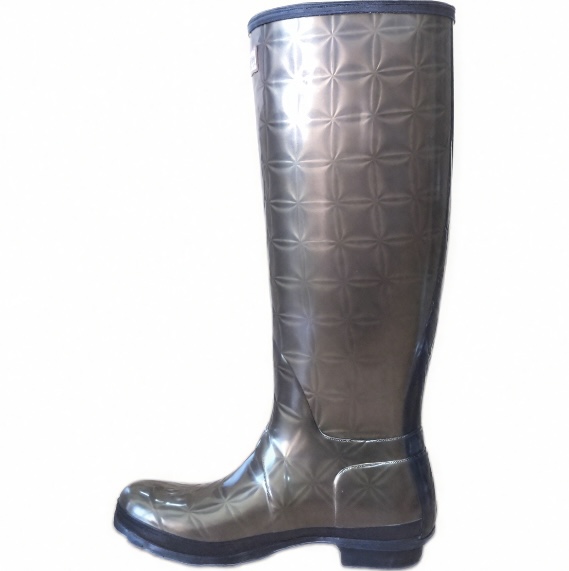
The 3D embossed rubber on men's rain boots plays a crucial role in enhancing durability. The embossed pattern increases the surface area of the rubber, which can effectively disperse stress. When the boot is subjected to pressure during walking or other activities, the stress is distributed more evenly across the surface rather than concentrating on a single point. This reduces the risk of damage and cracking. Moreover, the 3D embossed structure can also improve the grip of the boots. The ridges and grooves on the sole increase the friction between the boot and the ground, providing better slip resistance in wet and slippery conditions. Professional Rain Boot Manufacturer uses advanced manufacturing processes to ensure the quality of 3D embossed rubber. For example, injection molding is a common process where the rubber material is injected into a mold under high pressure, taking on the desired 3D embossed shape. Vulcanization is another important step. Through vulcanization, the rubber molecules form cross - links, which enhances the strength, elasticity, and heat resistance of the rubber, improving the overall durability of the rain boots.
3. Practical Solutions and Operation Steps
When choosing men's rain boots with 3D embossed rubber, consider the following aspects:
- Material selection: If durability in extreme conditions is your priority, natural rubber is a better choice, especially for heavy - duty work or long - term use in cold and wet environments. PVC is a more cost - effective option for occasional use or in milder wet conditions. However, be aware of its performance limitations in cold weather.
- Shaft height: For scenarios where you may encounter deep water, such as fishing in a pond or walking in flooded areas, tall - shaft boots are recommended to keep your legs dry. For normal rainy commuting or light gardening, mid - or short - shaft boots may be sufficient and more comfortable.
- Sole纹路: Look for boots with deep and well - designed sole patterns. Functional patterns like saw - tooth, honeycomb, or arrow - shaped patterns provide better slip resistance than flat or shallow - grooved soles. The depth of the sole teeth should be more than 3mm to ensure good grip on wet and slippery surfaces.
- Lining: Some boots come with linings for added comfort. Cotton linings are breathable but may absorb water and take longer to dry. Synthetic linings are quick - drying but may be less breathable. Choose according to your needs. For example, if you expect to be in wet conditions for a long time, a quick - drying synthetic lining may be better.
- 尺码: Ensure you choose the right size. Boots that are too small can cause discomfort and restrict blood circulation, while boots that are too large may not fit properly and increase the risk of slipping inside the boots. It is recommended to try on the boots and walk around a bit to check the fit.
- 耐寒等级: If you will be using the boots in cold environments, check the cold - resistance rating of the boots. Natural rubber generally performs better in cold weather, but some high - quality PVC boots with special formulations can also withstand relatively low temperatures.
- 防滑等级: Refer to relevant standards such as EN ISO 20344:2021 or EN ISO 20347:2022+A1:2024 to assess the slip resistance of the boots. Boots with higher - rated slip resistance are safer to use in wet and slippery conditions.
After purchasing the boots, follow these steps for inspection: Check for any visible defects on the surface of the boots, such as cracks, holes, or uneven embossing. Ensure that the seams are well - sealed and there are no signs of glue leakage. Try the boots on and walk on a wet surface to test the slip resistance.
4. Daily Maintenance and Precautions
Proper daily maintenance can extend the lifespan of men's rain boots with 3D embossed rubber. For cleaning, when the boots are dirty, use a soft brush or cloth to gently remove dirt. You can use mild soap and warm water for cleaning, but avoid using strong solvents as they may damage the rubber material. After cleaning, rinse the boots thoroughly with clean water to remove all soap residues. To dry the boots, do not place them in direct sunlight or near a high - temperature heat source. High temperatures can cause the rubber to harden, crack, or deform. Instead, let them air - dry in a well - ventilated area at room temperature. You can stuff the boots with newspaper to absorb moisture and maintain their shape. To remove odor, you can put baking soda or an odor - absorbing sachet inside the boots overnight. Then shake out the powder or remove the sachet the next day.
When storing the boots, keep them in a cool, dry place. Long - term exposure to sunlight can accelerate the aging of the rubber, so store them in a dark place. Avoid bending or squeezing the boots for a long time, as this may cause deformation. If you need to stack the boots, place a soft object between them to prevent scratching. Do not use ordinary rain boots as a substitute for certified safety boots. Safety boots are designed and tested to meet specific safety standards, such as toe protection and electrostatic prevention, while ordinary rain boots do not have these features.
5. Industry Standard and Parameter Reference
This section provides important industry standards and parameters related to rain boots:
ParameterRecommended ReferenceWhy It MattersSlip resistanceEN ISO 20344:2021 / EN ISO 20347:2022+A1:2024 where applicableHelps evaluate outsole grip on wet or contaminated surfaces. This is crucial for preventing slips and falls, especially in extreme wet conditions.Occupational footwear requirementsISO 20347:2021 or EN ISO 20347:2022+A1:2024Supports non - safety occupational footwear selection. Ensures that the boots meet the basic requirements for work - related use, such as comfort and durability.Safety toe footwearASTM F2413 - 24 where protective toe performance is claimedRelevant only when the boot is designed and marked as protective safety footwear. Provides a standard for testing and evaluating the performance of safety toes in boots.Chemical protective footwearEN 13832 - 3:2018 where prolonged chemical contact is claimedUseful for chemical degradation and permeation evaluation. Important in scenarios where the boots may come into contact with chemicals, ensuring the safety of the wearer.Formaldehyde content《HG/T 2020 - 2019彩色雨靴(鞋)》: Direct contact with skin material ≤75mg/kg, non - direct contact with skin material ≤300 mg/kgHigh levels of formaldehyde can be harmful to human health. This standard ensures that the boots meet safety requirements in terms of chemical residues.Decomposable harmful aromatic amine dyes《HG/T 2020 - 2019彩色雨靴(鞋)》: Textiles, artificial leather, synthetic leather ≤20mg/kg, leather ≤30mg/kgRestricts the use of harmful dyes in the production of rain boots, protecting the health of consumers.
Do not invent exact performance numbers. Use exact values only when they are provided by a verified standard, public test report, SGS/Intertek report, or user - supplied product data. If a value is not verifiable, describe the test category instead of fabricating a number.
6. Customer Common FAQ
Q: What material is better for men's rain boots in extreme wet and cold conditions?
A: Natural rubber is generally a better choice. It has excellent flexibility and durability, and it can maintain its performance in cold temperatures better than PVC. Natural rubber boots are less likely to crack in the cold and offer better all - around performance in extreme wet and cold environments. Professional Rain Boot Manufacturer can provide more in - depth advice on material selection based on specific usage scenarios.
Q: How can I tell if the rain boots have good slip resistance?
A: Look at the sole pattern. Deep - grooved and functional patterns like saw - tooth or honeycomb patterns usually provide better slip resistance. You can also refer to the relevant standards such as EN ISO 20344:2021 or EN ISO 20347:2022+A1:2024. Boots that meet these standards have been tested for slip resistance on wet and contaminated surfaces.
Q: What should I do if my rain boots have an odor?
A: You can place baking soda or an odor - absorbing sachet inside the boots overnight. Then shake out the powder or remove the sachet the next day. Also, make sure to dry the boots properly after each use to prevent the growth of bacteria that cause odor.
Q: How do I choose the right size of rain boots?
A: It is best to try on the boots. Walk around a bit to test the fit. The boots should not be too tight or too loose. If your feet are wider, you may need to choose a wider - fitting model. Also, consider wearing the same type of socks that you will wear with the boots during the try - on process.
Q: Can I use ordinary rain boots in chemical - containing environments?
A: No, ordinary rain boots are not designed to withstand prolonged contact with chemicals. If you need to work in a chemical - containing environment, you should choose chemical - protective footwear that meets the relevant standards such as EN 13832 - 3:2018. Professional Rain Boot Manufacturer can help you select the appropriate boots for different working conditions.
Conclusion
In conclusion, men's rain boots with 3D embossed rubber can provide excellent durability in extreme wet conditions. Understanding the core problems such as leakage, cracking, and slip resistance, and the principles behind the materials and manufacturing processes is crucial for making the right choice. When selecting boots, consider factors like material, shaft height, sole pattern, and lining. Proper daily maintenance, including cleaning, drying, and storage, can extend the lifespan of the boots. Referring to industry standards and parameters ensures the quality and safety of the boots. Professional Rain Boot Manufacturer can offer valuable advice and high - quality products to meet the diverse needs of users.
References
- GB/T 33313 - 2016 儿童雨靴(鞋), Standardization Administration of China
- HG/T 2020 - 2019彩色雨靴(鞋), China National Light Industry Council
- EN ISO 20344:2021 Footwear Test Methods, International Organization for Standardization
- EN ISO 20347:2022+A1:2024 Occupational Footwear, International Organization for Standardization
- ASTM F2413 - 24 Protective Footwear Specification, ASTM International
- EN 13832 - 3:2018 Chemical Protective Footwear, European Committee for Standardization