


How 3D Embossed Rubber Men's Rain Boots Perform in Extreme Wet Conditions
Sep 16, 2026
View: 0
Leave a message
Meta Description: This blog explores the performance of 3D embossed rubber men's rain boots in extreme wet conditions. It covers common problems, usage scenarios, product principles, solutions, maintenance, and industry standards. Ideal for B2B buyers and end - users seeking professional rain boot knowledge. Professional Rain Boot Manufacturer
Keywords: 3D embossed rubber rain boots, men's rain boots, extreme wet conditions, rain boot material, rain boot maintenance, rain boot selection, industry standards
1. Core Problem Analysis
1.1 Common Causes of the Problem
When users search for how 3D embossed rubber men's rain boots perform in extreme wet conditions, they often want to solve several problems. One of the main issues is leakage. Over time, the rubber may develop small cracks due to wear and tear, or the seams may start to come apart, allowing water to seep in. Another problem is poor traction. In extreme wet conditions, such as on slippery mud or wet concrete, the boots may not provide enough grip, increasing the risk of slips and falls. Additionally, foot comfort can be a concern. Prolonged exposure to wetness may cause the feet to feel cold and clammy, and the boots may not have sufficient insulation or ventilation, leading to discomfort and even potential health issues like frostbite or athlete's foot. Material aging is also a factor. Exposure to water, sunlight, and other environmental factors can cause the rubber to degrade, reducing its durability and performance.
1.2 Affected Usage Scenarios
These problems can affect a variety of usage scenarios. In farming, workers often need to walk in muddy fields and wet barns, where the boots need to keep their feet dry and provide good traction on uneven and slippery surfaces. Gardening is another scenario, as gardeners deal with wet soil, watering, and rain. Fishing activities require rain boots that can withstand being in and around water for long periods. Rainy commuting can be a challenge, especially in urban areas with wet streets and sidewalks. Warehouse cleaning often involves working in wet areas with spills and water hoses. Livestock work may require being in wet and dirty pens, and muddy outdoor work such as construction or landscaping also demands reliable rain boots.
2. Product and Process Principle
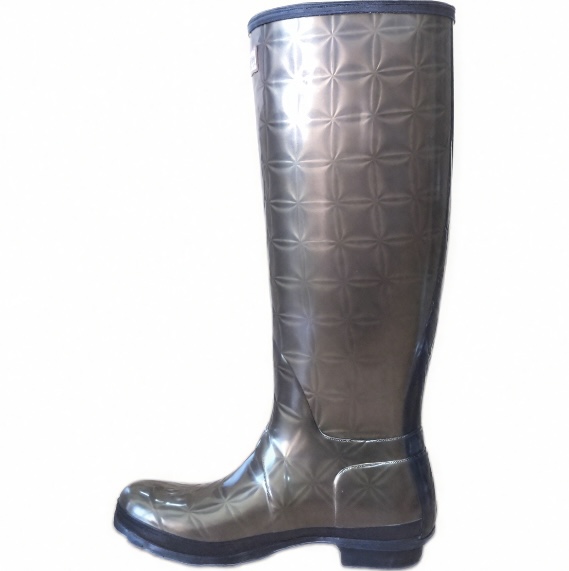
3D embossed rubber men's rain boots are usually made using several key materials and manufacturing processes. The main material is rubber, which is known for its excellent waterproof properties. Rubber can be natural or synthetic. Natural rubber offers good elasticity and softness, while synthetic rubber can be more resistant to chemicals, heat, and aging. The 3D embossing on the boots is not just for aesthetics; it also serves a functional purpose. The embossed patterns can increase the surface area of the boot, providing better grip on wet surfaces. For example, patterns with deep grooves can channel water away from the sole, reducing the risk of hydroplaning. The manufacturing process often includes injection molding or vulcanization. Injection molding is a process where molten rubber is injected into a mold to form the shape of the boot. This method allows for precise control of the boot's shape and size. Vulcanization is a chemical process that cross - links the rubber molecules, making the boots more durable, elastic, and resistant to heat and aging. Professional Rain Boot Manufacturer may use advanced compound formulations to enhance the performance of the rubber. For example, adding antioxidants can slow down the aging process, and anti - slip agents can improve traction.
3. Practical Solutions and Operation Steps
When choosing 3D embossed rubber men's rain boots for extreme wet conditions, here are some practical steps and suggestions:
- Material selection: Opt for high - quality rubber. Synthetic rubber blends are often a good choice as they can combine the advantages of different types of rubber and offer better resistance to chemicals and aging.
- Shaft height: Consider the depth of the water you are likely to encounter. For deeper water, choose higher - shaft boots. Tall boots can provide more protection and prevent water from splashing in over the top.
- Sole pattern: Look for boots with aggressive and well - designed embossed patterns. Deep grooves and multidirectional patterns can offer better traction on wet and slippery surfaces. For example, lug - sole patterns are excellent for grip in mud.
- Lining: A breathable and moisture - wicking lining can keep your feet dry and comfortable. Materials like Gore - Tex or other waterproof and breathable fabrics are ideal for extended use in wet conditions.
- Size: Ensure a proper fit. Boots that are too tight can restrict blood circulation, while boots that are too loose may cause blisters and reduce stability. Try on the boots with the socks you plan to wear in wet conditions.
- Testing: Before using the boots in extreme wet conditions, test them in a controlled environment. Walk on a wet surface to check the traction, and pour a small amount of water on the boots to ensure there are no leaks.
4. Daily Maintenance and Precautions
To keep your 3D embossed rubber men's rain boots in good condition, follow these daily maintenance tips and precautions:
Cleaning: After each use in wet and dirty conditions, rinse the boots with clean water to remove mud, dirt, and debris. Use a mild soap if necessary, but avoid using strong solvents as they can damage the rubber. Gently scrub the boots with a soft brush, paying attention to the embossed patterns and seams.
Drying: Allow the boots to dry naturally at room temperature. Do not place them near a heat source such as a radiator, heater, or in direct sunlight, as this can cause the rubber to crack and deform. Stuff the boots with newspaper to absorb moisture and help them keep their shape.
Odor removal: If the boots develop an odor, sprinkle some baking soda inside and let it sit overnight. Baking soda can absorb odors. You can also use specialized shoe deodorizers.
Anti - aging: To prevent the rubber from aging prematurely, store the boots in a cool, dry place away from sunlight. Apply a rubber conditioner periodically to keep the rubber soft and elastic.
Precautions: Do not use the boots for purposes they are not designed for. For example, do not use regular rain boots in place of certified safety boots in high - risk work environments. Also, avoid exposing the boots to sharp objects that can puncture the rubber.
5. Industry Standard and Parameter Reference
This section provides important industry standards and parameters to consider when evaluating 3D embossed rubber men's rain boots:
ParameterRecommended ReferenceWhy It MattersSlip resistanceEN ISO 20344:2021 / EN ISO 20347:2022+A1:2024 where applicableHelps evaluate outsole grip on wet or contaminated surfaces.Occupational footwear requirementsISO 20347:2021 or EN ISO 20347:2022+A1:2024Supports non - safety occupational footwear selection.Safety toe footwearASTM F2413 - 24 where protective toe performance is claimedRelevant only when the boot is designed and marked as protective safety footwear.Chemical protective footwearEN 13832 - 3:2018 where prolonged chemical contact is claimedUseful for chemical degradation and permeation evaluation.
Do not invent exact performance numbers. Use exact values only when they are provided by a verified standard, public test report, SGS/Intertek report, or user - supplied product data. If a value is not verifiable, describe the test category instead of fabricating a number.
6. Customer Common FAQ
Q: What type of rubber is best for extreme wet conditions?
A: Synthetic rubber blends are often a great choice for extreme wet conditions. They can offer better resistance to chemicals, heat, and aging compared to natural rubber. Professional Rain Boot Manufacturer often use advanced synthetic rubber compounds in their products to ensure durability and performance.
Q: How can I tell if the boots are slip - resistant?
A: Look for boots that meet the EN ISO 20344:2021 or EN ISO 20347:2022+A1:2024 standards for slip resistance. You can also test the boots on a wet surface before purchasing them. Boots with aggressive and well - designed embossed patterns on the sole are more likely to be slip - resistant.
Q: What size should I choose?
A: It's important to choose the right size for comfort and performance. Try on the boots with the socks you plan to wear in wet conditions. The boots should fit snugly but not too tight. You should be able to wiggle your toes freely, and there should be some room at the heel to prevent blisters.
Q: How do I get rid of the odor in my rain boots?
A: You can sprinkle baking soda inside the boots and let it sit overnight. Baking soda can absorb odors. You can also use specialized shoe deodorizers. Make sure to dry the boots thoroughly after each use to prevent odor from developing.
Q: Can I use these boots in cold weather?
A: It depends on the boots' insulation properties. If the boots are designed with proper insulation and a lining that can keep your feet warm, they can be used in cold weather. However, if you are in extremely cold conditions, you may need to consider additional insulation or specialized cold - weather boots.
Conclusion
In conclusion, understanding the performance of 3D embossed rubber men's rain boots in extreme wet conditions is crucial for users in various industries. We have explored common problems, product and process principles, practical solutions, maintenance tips, industry standards, and answered frequently asked questions. By considering these aspects, users can make informed decisions when choosing and using rain boots. A Professional Rain Boot Manufacturer can provide valuable insights into the production, material selection, and quality control of these boots.
References
- ISO 20347:2021 Occupational Footwear
- EN ISO 20347:2022+A1:2024
- EN ISO 20344:2021 Footwear Test Methods
- ASTM F2413 - 24 Protective Footwear Specification
- EN 13832 - 3:2018 Chemical Protective Footwear