


How Biochemical Boots Safeguard Workers in High-Corrosion Manufacturing Environments
Sep 28, 2026
View: 0
Leave a message
Meta Description: High-corrosion manufacturing environments expose workers to chemical spills, harsh substances, and physical hazards. Choosing the right biochemical boots is critical for protection, comfort, and compliance. This guide covers key factors, standards, and best practices. Professional Rain Boot Manufacturer provides specialized insight for industrial footwear selection.
Keywords: biochemical boots, corrosion-resistant boots, industrial work boots, chemical protective footwear, waterproof boots, boot material science, ISO 20347
1. Core Problem Analysis
1.1 Common Causes of the Problem
Workers in high-corrosion manufacturing face multiple issues from ill-suited footwear. Chemical permeation through cheap shoe materials can cause skin irritation, chemical burns, or long-term health issues. Ordinary rubber boots may crack under repeated exposure to acids, alkalis, or industrial solvents, leading to leaks. Additional pain points include poor slip resistance on wet or contaminated surfaces, inadequate ventilation causing foot fatigue, and improper sizing that reduces mobility. Many workers also use general-purpose boots designed for rain rather than specialized industrial use, ignoring critical performance requirements.
1.2 Affected Usage Scenarios
High-corrosion environments span multiple industrial sectors, including chemical processing plants, metal plating facilities, battery manufacturing workshops, and pharmaceutical production areas. Other relevant settings include waste treatment facilities, where workers handle corrosive sewage byproducts, and battery recycling sites that expose footwear to heavy metals and acidic residues. Each scenario presents unique chemical concentrations and exposure durations, requiring boots tailored to the specific hazards of the space.
2. Product and Process Principle
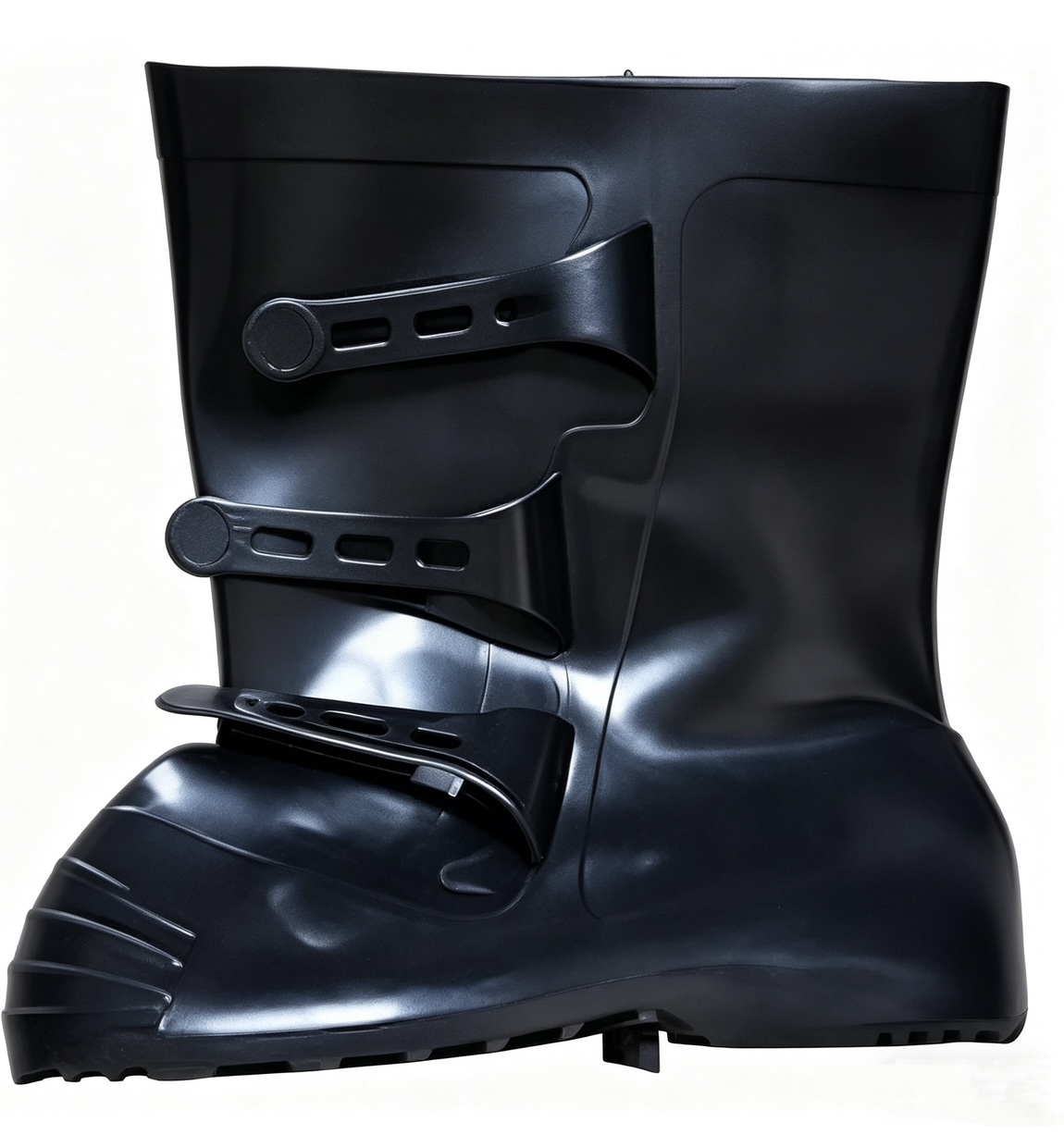
Biochemical boots are engineered with specialized polymer formulations designed to resist chemical degradation. Unlike standard rubber boots, these use compounded blends of nitrile rubber, neoprene, or PVC with additive modifiers that slow permeation. Key manufacturing processes include injection molding, which creates seamless shafts to eliminate weak points where leaks can occur, and controlled thickness profiling, where critical wear zones like the sole and toe cap use denser material while the shaft balances flexibility and protection. Professional Rain Boot Manufacturer applies standardized testing to ensure each production batch meets chemical resistance benchmarks, based on standards for industrial footwear durability.
Outsole design plays a critical role in function: specialized tread patterns with deep grooves and high-density rubber compound improve traction on slippery, oily, or chemically contaminated surfaces. The lining material is selected to provide moisture management, reducing foot perspiration during long shifts without compromising chemical barrier performance. Seamless construction, achieved through vulcanization or high-pressure injection, eliminates potential entry points that allow corrosive substances to penetrate the boot.
3. Practical Solutions and Operation Steps
Selecting the right biochemical boots requires matching product specifications to the exact hazards of the work environment. Follow these actionable steps to make an informed choice:
- First, identify the specific chemicals present in your workplace, their concentration levels, and average exposure duration. This helps narrow material choices: nitrile blends work well for most acids and alkalis, while neoprene is better for aromatic solvents and chlorinated compounds.
- Check slip resistance ratings against relevant standards (such as EN ISO 20347) for your work floor type. Opt for boots with tested grip performance when working on wet, oily, or chemically treated surfaces.
- Determine required shaft height based on splash risk: taller shafts (14 inches or higher) provide better protection for lower legs, while shorter shafts offer increased mobility for tasks requiring frequent bending.
- Verify that the boot fits correctly, leaving enough room for thick socks and foot swelling that occurs during long shifts. A professional fitting session is recommended to avoid ill-fitting boots that cause blisters or reduce protection.
- Confirm that the boots are marked with relevant safety certifications, such as compliance with EN 13832-3 for chemical protective footwear, to ensure they meet industry performance standards.
- Match boot features to task needs: insulated boots work for cold manufacturing spaces, while breathable linings are suitable for warm environments to prevent overheating.
4. Daily Maintenance and Precautions
Proper care extends the lifespan of biochemical boots and preserves their protective properties. After each use in a corrosive environment, rinse boots thoroughly with clean, neutral water to remove residual chemicals that can accelerate material degradation. Pat dry with a soft cloth and air them in a cool, well-ventilated area, away from direct sunlight or direct heat sources like radiators, which can cause rubber to crack or become brittle. Avoid using strong cleaning solvents or abrasive scrubbers, as these can damage the chemical-resistant polymer layer of the boot.
Key precautions include: never use biochemical boots as general-purpose rain boots, as prolonged exposure to non-corrosive water alone does not require specialized formulations; store boots in a cool, dark place, flat or hung upright to maintain shape; inspect boots regularly for cracks, tears, or discoloration that indicate chemical damage; replace boots when the material shows signs of degradation, even if no obvious tears are visible. Failing to clean boots after exposure to corrosive substances can lead to gradual material breakdown, reducing protection over time.
5. Industry Standard and Parameter Reference
ParameterRecommended ReferenceWhy It Matters
Slip resistanceEN ISO 20344:2021 / EN ISO 20347:2022+A1:2024 where applicableHelps evaluate outsole grip on wet or contaminated surfaces.
Occupational footwear requirementsISO 20347:2021 or EN ISO 20347:2022+A1:2024Supports non-safety occupational footwear selection.
Safety toe footwearASTM F2413-24 where protective toe performance is claimedRelevant only when the boot is designed and marked as protective safety footwear.
Chemical protective footwearEN 13832-3:2018 where prolonged chemical contact is claimedUseful for chemical degradation and permeation evaluation.
Flex resistanceISO 20344:2021 Section 5.14Tests for cracking under repeated bending, critical for boot longevity in industrial use.
All boot performance claims must be backed by third-party testing aligned with these standards. For example, a biochemical boot marketed for acid resistance must demonstrate compliance with EN 13832-3:2018 permeation testing for the specific acids present in the work environment. Testing according to ISO 20344:2021 ensures consistent measurement of flex resistance and other mechanical properties that affect durability.
6. Customer Common FAQ
Q: How do I know if a biochemical boot is right for my specific manufacturing environment?
A: Evaluate the types of chemicals in your workplace, their concentration, and typical exposure duration. Professional Rain Boot Manufacturer recommends testing small boot samples against your primary chemicals before full purchase, as general chemical resistance claims may not match your exact hazards.
Q: Can biochemical boots be repaired if they develop small cracks or tears?
A: Minor surface scratches can be sealed with a compatible rubber adhesive designed for polymer compounds, but large tears or cracks that reach the inner lining should not be repaired. Repairing through- tears compromises the chemical barrier, putting workers at risk of exposure.
Q: Do biochemical boots require special storage conditions when not in use?
A: Yes. Store boots in a cool, dry area, away from direct sunlight and extreme temperatures. Avoid stacking heavy items on top of boots, as this can deform the shaft and reduce fit, especially after periods of disuse.
Q: Are biochemical boots suitable for use in cold manufacturing facilities?
A: Some biochemical boot lines include insulation for low-temperature environments, but standard uninsulated models may become brittle in temperatures below 0°C (32°F). Check product specifications for temperature ratings aligned with your workplace conditions, and confirm compliance with ISO 20347:2021 cold resistance requirements if needed.
Q: How often should I replace my biochemical boots?
A: Replacement timing depends on frequency of use, chemical exposure levels, and maintenance. Inspect boots monthly for cracks, discoloration, or reduced flexibility. Boots that fail third-party testing or show visible signs of chemical degradation should be replaced immediately, even if they appear functional.
Conclusion
Choosing the right biochemical boots for high-corrosion manufacturing environments requires balancing material science, standard compliance, and site-specific hazards. Workers must prioritize performance over general use, selecting boots tested against the exact chemicals and conditions of their workplace. Proper maintenance, including regular cleaning and careful storage, extends boot lifespan and preserves protective properties. Professional Rain Boot Manufacturer provides standardized guidance to help industrial buyers align boot selection with regulatory requirements and worker safety needs.
References
- International Organization for Standardization. ISO 20344:2021. Footwear - Test methods for whole shoe. Geneva: ISO, 2021.
- International Organization for Standardization. ISO 20347:2021. Occupational footwear. Geneva: ISO, 2021.
- European Committee for Standardization. EN 13832-3:2018. Protective clothing against chemicals - Footwear resistant to chemicals - Part 3: Terminology and performance requirements for chemical protective footwear. Brussels: CEN, 2018.
- American Society for Testing and Materials. ASTM F2413-24. Standard Specification for Performance Requirements for Protective Footwear. West Conshohocken: ASTM, 2024.