


How Equestrian Boots Enhance Long-Ride Comfort for Endurance Riders
Oct 12, 2026
View: 0
Leave a message
Meta Description: Endurance riders often face discomfort, blisters, and fatigue on multi-hour rides, which can impact performance and safety. Equestrian boots are engineered to address these specific issues, combining material science, ergonomic design, and industry-standard construction to support long hours in the saddle. This article breaks down key factors for choosing the right riding footwear and practical maintenance tips. Professional Rain Boot Manufacturer shares insights from footwear design and testing to help riders make informed choices.
Keywords: Equestrian boots, endurance riding footwear, long ride comfort, riding boot materials, boot maintenance, slip-resistant outsoles, riding gear
1. Core Problem Analysis
1.1 Common Causes of the Problem
Endurance riders’ primary discomfort stems from ill-suited footwear that fails to support the foot through repetitive riding motions. Key issues include poor arch support, rigid shaft design that restricts ankle movement, non-breathable materials causing foot sweat and blisters, and insufficient shock absorption that transfers jarring from the stirrup to the foot. Many riders also overlook how improper boot sizing or broken-in periods can lead to prolonged fatigue during multi-hour rides, with pressure points developing after 2+ hours of consistent use.
1.2 Affected Usage Scenarios
The challenges of long-ride discomfort impact riders across professional endurance competitions, trail riding, and long-distance pleasure riding. These scenarios demand footwear that functions equally well on varied terrain—from muddy forest trails to hard-packed competition arenas—withstanding variable weather and consistent physical strain on the foot and lower leg during extended periods in the saddle.
2. Product and Process Principle
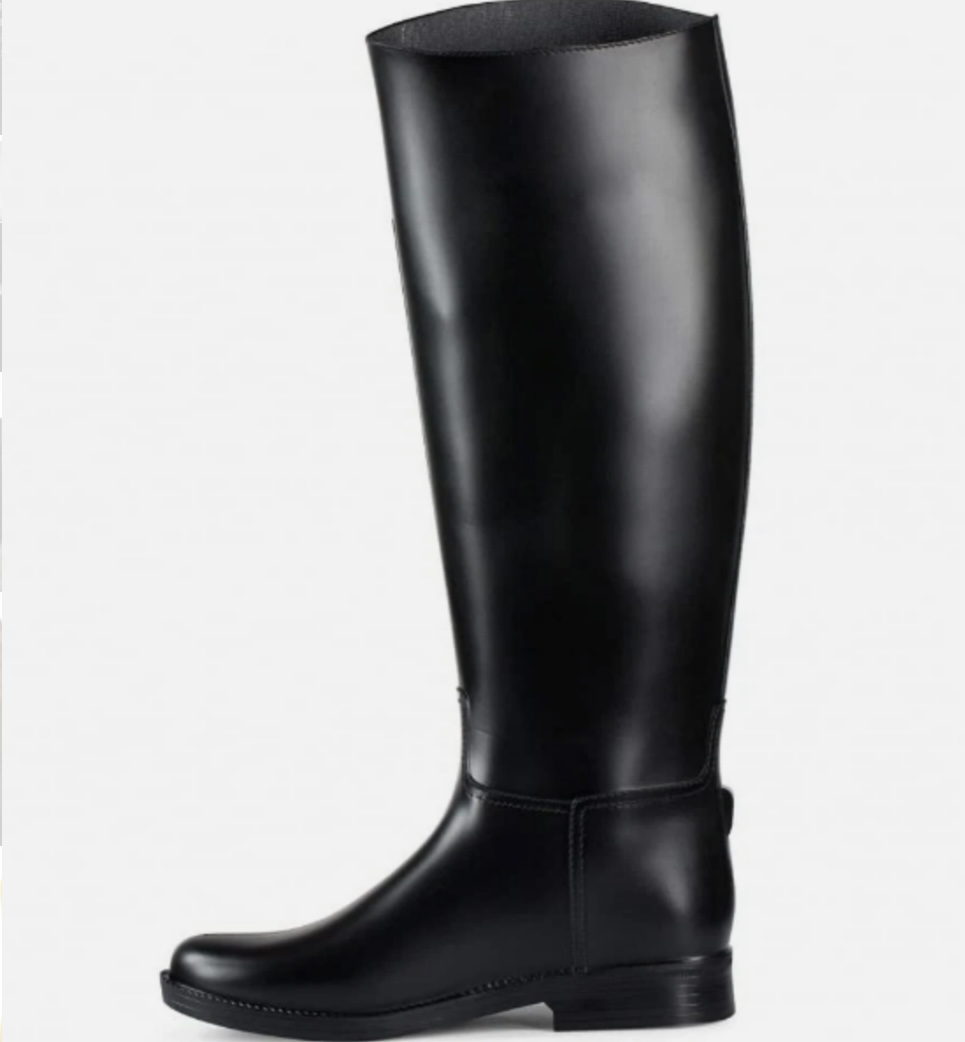
Equestrian boots rely on three core material and design principles to enhance long-ride comfort. First, midsole construction uses low-density, shock-absorbent compounds that reduce impact transferred from stirrups to the foot, without sacrificing the rigidity required for proper stirrup control. This aligns with general occupational footwear design frameworks referenced in ISO 20347:2021, where cushioning performance is tested under controlled cyclic load conditions[1]. Second, shaft flexibility is engineered to allow natural ankle movement, a critical feature for riders who must maintain balance and control over extended periods; many high-quality models use segmented paneling or flexible rubber compounds in the ankle area, rather than rigid single-piece construction.
Breathable lining materials, such as moisture-wicking fabric inserts integrated with waterproof outer layers, address the issue of trapped foot sweat, which causes blisters and discomfort. Seam-free upper construction, achieved via injection molding for rubber or bonded PU layers, eliminates chafing points that develop from stitched seams rubbing against the skin during long rides. Professional Rain Boot Manufacturer notes that these design choices are tailored to reduce pressure points that would otherwise cause fatigue or injury over multi-hour use.
3. Practical Solutions and Operation Steps
Selecting the right equestrian boots for long rides involves a structured evaluation of fit, features, and intended use. Follow these step-by-step guidelines to minimize discomfort and maximize performance during extended riding sessions.
- Measure your foot size both with and without riding socks, as this will impact fit in the toe box and shaft. For endurance riding, prioritize a thumb’s width of space between the toes and the boot’s toe cap to prevent cramping during long periods in the stirrup.
- Evaluate shaft height and flexibility: The shaft should extend 1-2 inches below the knee for proper support, while bending at the ankle without resistance. Test this by standing and moving the ankle up and down to mimic riding motion, avoiding boots that feel stiff or restrictive.
- Check midsole cushioning performance: Press the midsole with your thumb; moderate give indicates adequate shock absorption, while overly rigid or overly soft midsoles will fail to support long-ride comfort. For use on varied terrain, a midsole with graded cushioning (firmer at the heel, softer at the toe) reduces fatigue over uneven ground.
- Verify lining breathability: If testing boots in-store, gently flex the upper area and check for integrated lining layers that feel moisture-wicking rather than stiff or plastic-like. Avoid non-breathable rubber only boots for multi-hour rides, as they promote trapped sweat and blisters.
- Break in boots gradually before long rides: Wear the boots for 1-2 hour sessions in low-stakes riding environments, rather than attempting a full endurance ride with new, unbroken-in footwear. This allows the boot to conform to the foot shape and reduces the risk of developing pressure points mid-ride.
4. Daily Maintenance and Precautions
Proper maintenance of equestrian boots preserves their comfort-enhancing features and extends their lifespan. The first step is routine cleaning: after each ride, wipe the outer surface with a damp cloth to remove mud, dirt, and grass, paying extra attention to the stirrup contact points where abrasion is common. For lined boots, use a mild, pH-neutral detergent and a soft brush to clean the lining, avoiding harsh soaps that can break down moisture-wicking fibers.
When drying boots, always air them naturally away from direct sunlight or high heat sources (such as radiators or heater vents), as extreme temperatures can warp shaft material and reduce midsole cushioning effectiveness. Insertion of boot trees or rolled towels helps maintain the boot’s shape, preventing the shaft from collapsing and causing discomfort when putting on the boots or riding. To prevent odor buildup, use a gentle, non-toxic odor absorber regularly, avoiding strong chemicals that can degrade lining materials.
Key precautions include not using equestrian boots for non-riding activities (such as general work or hiking), as this accelerates wear on critical comfort-enhancing components like the midsole and shaft flexibility. Do not use waterproofing sprays not specifically formulated for equestrian footwear, as many generic sprays can stiffen lining materials and reduce breathability over time.
5. Industry Standard and Parameter Reference
ParameterRecommended ReferenceWhy It Matters
Slip resistance (outsole)EN ISO 20344:2021 / EN ISO 20347:2022+A1:2024 where applicableHelps evaluate outsole grip on wet or contaminated riding terrain, reducing fall risk during endurance rides.
Occupational footwear requirements (non-safety)ISO 20347:2021 or EN ISO 20347:2022+A1:2024Supports selection of boots with appropriate cushioning and flexibility for long hours of use.
Chemical resistance (for arena or trail use)EN 13832-3:2018 where prolonged chemical contact is claimedRelevant for riders who regularly encounter arena cleaning chemicals or trail debris.
Ankle support rigidityISO 20344:2021, Section 7.3 (Flexibility Test)Test evaluates shaft flexibility to ensure it allows natural ankle movement during riding[1].
All performance claims for equestrian boots should align with these international standards, as third-party testing provides verifiable data on cushioning, flexibility, and grip. Riders should verify that boots include markings or documentation referencing the applicable standard, rather than relying on unsubstantiated performance claims from manufacturers.
6. Customer Common FAQ
Q: What is the key difference between riding boots designed for short rides vs. endurance rides?
A: Endurance riding boots prioritize midsole cushioning, flexible shaft design, and breathable lining, whereas short-ride boots may focus more on water resistance and stirrup rigidity. Professional Rain Boot Manufacturer notes that endurance models also include reinforced pressure point areas to reduce fatigue over 4+ hour rides, a feature not always present in casual riding footwear.
Q: How do I know if my boot size is correct for long rides?
A: Proper size for endurance riding allows approximately 0.5 inches of space between the longest toe and the boot’s toe cap when standing. When worn with riding socks, the heel should not slip up and down when walking or flexing, as this causes blisters during riding. Avoid sizing too tightly, as this restricts circulation and leads to fatigue.
Q: Can I use general waterproofing products on my equestrian boots?
A: It is not recommended, as many generic waterproofing sprays contain solvents that can stiffen breathable lining materials and reduce moisture-wicking performance. Professional Rain Boot Manufacturer advises using waterproof products specifically formulated for equestrian or outdoor riding footwear to preserve comfort features.
Q: How often should I replace my endurance riding boots?
A: This depends on usage frequency, terrain, and care. On average, endurance riding boots should be replaced every 500-700 riding hours, or when signs of wear include a compressed midsole, stiffened shaft, or visible cracks in the upper material. Replacements are recommended to maintain consistent comfort and support for long rides.
Conclusion
Equestrian boots enhance long-ride comfort through targeted design choices, including shock-absorbent midsoles, flexible shafts, and breathable linings tailored to reduce pressure points and fatigue during extended riding sessions. Proper fit, gradual break-in, and regular maintenance preserve these features over time, while adherence to international standards ensures reliable performance. Professional Rain Boot Manufacturer emphasizes that selecting boots aligned with endurance riding requirements—rather than casual use—directly impacts rider comfort and long-term performance. By focusing on material principles and actionable selection steps, riders can minimize discomfort and maximize enjoyment of long-distance riding.
References
- ISO. ISO 20344:2021, Footwear – Test methods for whole shoe – Part 7: Flexibility and bending performance. International Organization for Standardization, 2021.
- ISO. ISO 20347:2021, Occupational footwear – Requirements and test methods. International Organization for Standardization, 2021.
- CEN. EN ISO 20347:2022+A1:2024, Occupational footwear. European Committee for Standardization, 2024.