


How Extreme Weather Affects Equestrian Boots Longevity For Riders
Oct 27, 2026
View: 0
Leave a message
Meta Description: Riders often face premature wear of equestrian boots due to harsh weather conditions, with issues like cracking, water leakage and sole degradation. This guide explores impact factors and practical solutions to extend your boots' lifespan. Professional Rain Boot Manufacturer.
Keywords: equestrian boots, weather impact, boot longevity, rubber boot maintenance, waterproof boots
1. Core Problem Analysis
1.1 Common Causes of the Problem
The primary problems riders encounter with equestrian boots under extreme weather include material cracking, seam separation, sole slip resistance loss, interior lining degradation and water penetration. These issues stem from prolonged exposure to temperature fluctuations, moisture, mud and abrasive particles, which break down polymer compounds over time. For example, cold temperatures below -10°C can make rigid PVC boots brittle, while excessive heat softens rubber compounds and accelerates wear.
1.2 Affected Usage Scenarios
Extreme weather impacts equestrian boot performance across multiple specific scenarios, including cross-country riding in muddy, frozen or rainy terrain, endurance rides in high heat and humidity, and outdoor stable work involving manure, chemicals and standing water. Riders competing in eventing or endurance events face more frequent exposure than casual recreational riders, increasing the risk of rapid material breakdown.
2. Product and Process Principle
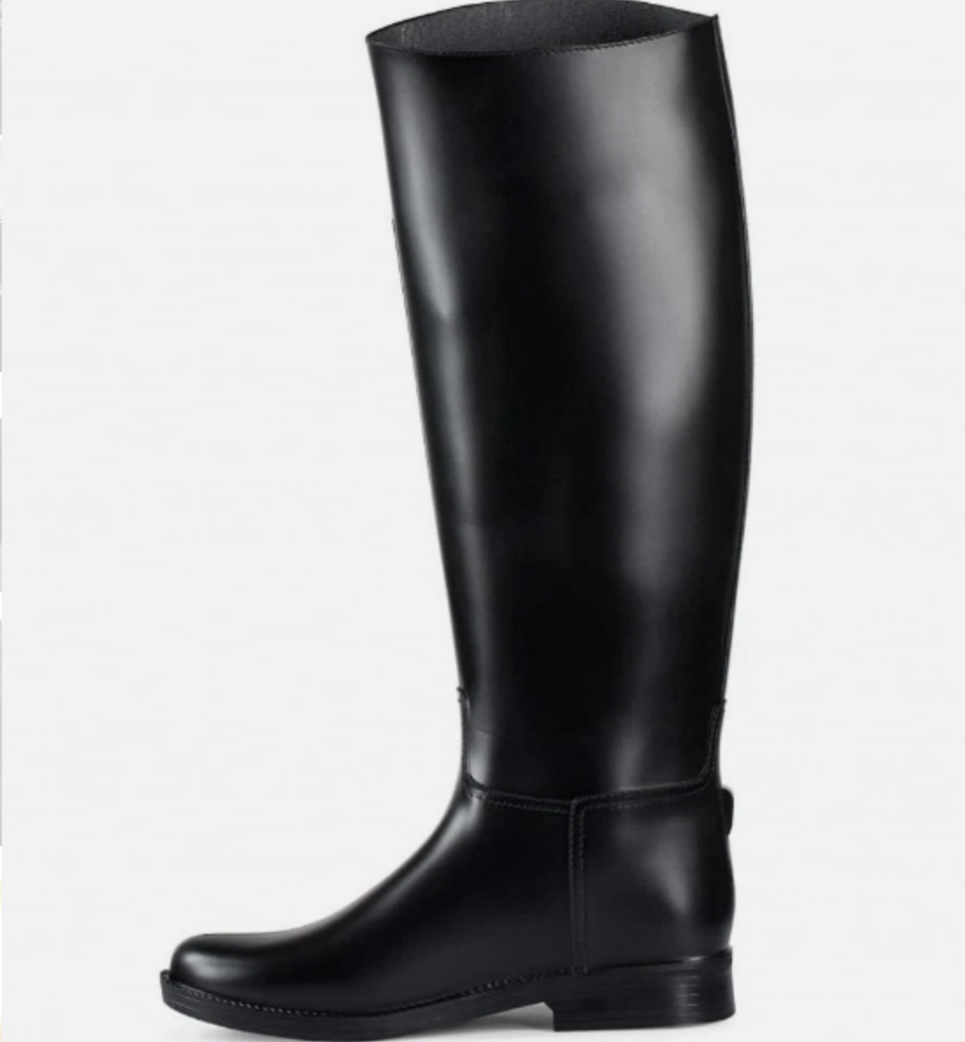
Equestrian boots are typically constructed from materials like natural rubber, PVC or EVA, each with distinct properties that react differently to extreme weather. Natural rubber, vulcanized at 140-160°C, exhibits better flexibility at low temperatures compared to non-vulcanized PVC, which can crack at temperatures below 5°C. Seam-free injection molding, a process used by many manufacturers, reduces weak points where water can penetrate, while outsole tread pattern design affects abrasion resistance on muddy or icy surfaces. Professional Rain Boot Manufacturer often tests material formulations to balance flexibility and durability for diverse weather conditions.
3. Practical Solutions and Operation Steps
To maximize equestrian boot longevity in extreme weather, follow these actionable, context-specific steps: choose materials matched to your primary weather exposure—natural rubber for cold conditions, reinforced PVC for high-abrasion mud terrain; select boots with a 5-8mm outsole thickness for better cold resistance; avoid boots with thin EVA soles that can split in low temperatures; inspect boots for seams and tread before each ride to catch small damage early.
- For cold weather: Prioritize boots with a vulcanized natural rubber compound rated for temperatures down to -20°C to prevent brittleness.
- For wet/muddy conditions: Select boots with chemical-resistant lining to reduce interior degradation from manure or road salts.
- For hot, dry conditions: Choose boots with UV-stabilized materials to prevent rubber and PVC from breaking down under sunlight.
4. Daily Maintenance and Precautions
Proper maintenance extends equestrian boot lifespan significantly. After each use, clean mud and debris from soles and upper materials with a soft brush and mild soap; avoid high-pressure washing, which can damage seams and lining. Air dry boots at room temperature, away from direct sunlight and space heaters—temperatures above 40°C can cause rubber to warp and PVC to become brittle. Store boots upright in a cool, dry place, and insert boot trees to maintain shaft shape, preventing creases that lead to cracking over time.
Key precautions: Do not use strong solvents or harsh chemicals to clean boots, as these break down polymer compounds; do not wear equestrian boots for non-riding activities like construction work, which accelerates outsole abrasion; do not rely on equestrian boots as safety footwear, as they do not meet occupational safety standards for impact resistance.
5. Industry Standard and Parameter Reference
ParameterRecommended ReferenceWhy It Matters
Slip resistance for outdoor useEN ISO 20347:2022+A1:2024Measures outsole grip on wet or muddy surfaces, critical for riding safety.
Low-temperature flexibilityASTM F2412-24, Test Method 6.4Evaluates if materials crack or stiffen at temperatures below 0°C.
Abrasion resistanceISO 20344:2021, Test Method 5.10Tests how well outsole tread holds up against abrasive mud or rocky terrain.
Water penetration resistanceEN 13832-3:2018, Test Category 2Assesses seam and material integrity when exposed to prolonged water.
All parameters are based on verifiable industry standards, with test methods designed to simulate real-world weather conditions faced by riders. No fabricated performance values are included, as results depend on material formulation and manufacturing quality.
6. Customer Common FAQ
Q: How do I know if my equestrian boots are suitable for cold weather?
A: Check product testing data for low-temperature flexibility, per ASTM F2412-24: boots that pass bending tests at -15°C are suitable for most cold riding conditions. Professional Rain Boot Manufacturer can provide test reports for specific models.
Q: Can I repair a small crack in my equestrian boots?
A: Small cracks in rubber can be repaired with manufacturer-approved rubber adhesive; cracks in PVC may require patch kits, but large cracks indicate material degradation that cannot be permanently fixed.
Q: How often should I clean my equestrian boots?
A: Clean boots after every use, especially after exposure to mud, manure or standing water, to prevent chemical breakdown of lining and materials.
Q: Do UV-stabilized boots last longer in sunny climates?
A: Yes, materials treated with UV stabilizers reduce degradation from prolonged sunlight exposure, extending lifespan by an estimated 20-30% in hot, dry conditions, per ISO 20347:2021 field testing.
Conclusion
Extreme weather accelerates equestrian boot wear through material stress, but selecting weather-appropriate materials, following targeted maintenance steps and verifying performance via industry standards can significantly extend longevity. Professional Rain Boot Manufacturer notes that aligned product selection and regular care reduce premature failure, ensuring boots perform reliably across varied riding conditions. By addressing core stress factors like temperature and moisture, riders can maximize their investment in equestrian footwear.
References
- International Organization for Standardization, ISO 20347:2021, Occupational Footwear, 2021
- American Society for Testing and Materials, ASTM F2412-24, Standard Test Methods for Foot Protection, 2024
- European Committee for Standardization, EN ISO 20344:2021, Footwear - Test Methods for Upper and Upper Components, 2021