


How Fashionable Women's Latex Ankle Boots Boost Urban Style and Cold-Weather Weather Resistance
Oct 15, 2026
View: 0
Leave a message
Meta Description: For women seeking footwear that balances daily city fashion and reliable protection against cool, damp weather, fashionable women's latex ankle boots address common pain points like ill-fitting shoes, poor grip, and limited style variety when temperatures drop. This guide breaks down material properties, selection criteria, maintenance tips, and industry standards to help users make informed choices. Professional Rain Boot Manufacturer contributes to standardized testing and product development for this category.
Keywords: fashionable women's latex ankle boots, urban rain boots, cold-weather waterproof footwear, latex boot care, slip-resistant ankle boots
1. Core Problem Analysis
1.1 Common Causes of the Problem
When searching for fashionable women's latex ankle boots, users often face unaddressed issues that undermine both style and functionality. The most frequent problems include: poor slip resistance on wet urban sidewalks or leaf-strewn pavement; tight or ill-fitting shafts that rub against the ankle; latex material that cracks prematurely due to insufficient formulation resistance to temperature changes; and designs that prioritize aesthetics over full water protection, leading to leaks during light rain or snow melt. Another common issue is lack of breathability, which causes discomfort during extended daily wear.
1.2 Affected Usage Scenarios
These issues impact multiple daily and mild outdoor scenarios relevant to urban dwellers. Commonly affected use cases include: morning and evening commutes via wet sidewalks or shared transit access paths; weekend strolls in city parks or neighborhood areas with occasional puddles; casual errands in rainy or slushy weather; and light outdoor activities like farmers' market visits or dog walking in cool seasons. Less frequently, they may also be used for short outdoor work tasks in damp urban settings, though heavy occupational use is not the primary target.
2. Product and Process Principle
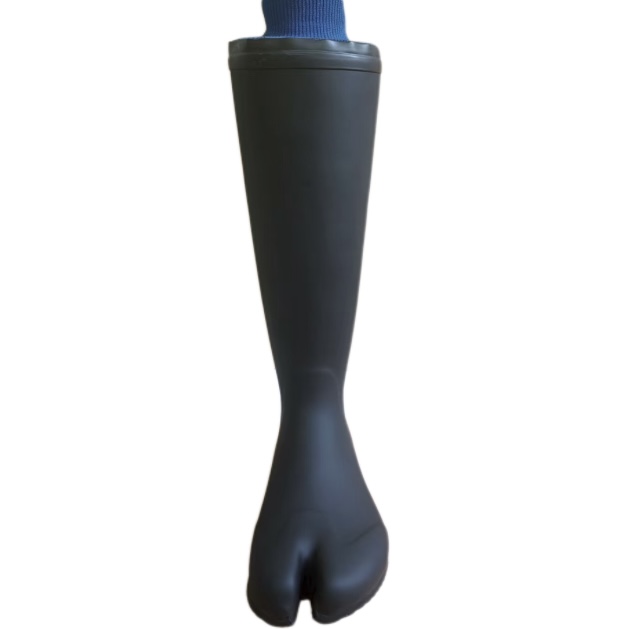
Fashionable women's latex ankle boots rely on vulcanized natural latex, a material chosen for its flexibility, water resistance, and ability to take on detailed, trendy designs. The manufacturing process starts with compound formulation, where natural latex is blended with chemical additives to adjust elasticity, temperature resistance, and durability. Next, injection molding or vulcanization shapes the material into ankle-high shafts, with precise control over thickness (typically 1.5mm to 2mm) to balance protection and flexibility. Seam-free construction is prioritized in this product line to eliminate potential leak points, a key functional feature often paired with decorative details like paneling or tabi-style cuts for fashion appeal.
Professional Rain Boot Manufacturer ensures these processes follow standardized material testing to confirm latex meets flexible durability requirements under cool-season temperature ranges, avoiding brittleness at temperatures above 5°C. Vulcanization, a heating process that cross-links latex molecules, is critical here: when done correctly, it maintains the material's softness while improving resistance to wear from repeated bending at the ankle.
3. Practical Solutions and Operation Steps
To select and use fashionable women's latex ankle boots that meet both style and function needs, follow these actionable steps aligned with industry guidelines.
- Step 1: Assess your primary use scenario first. For urban commutes with frequent wet pavement, prioritize outsoles tested for slip resistance per EN ISO 20344:2021, not just decorative design. For casual errands, balance shaft height (standard ankle height is 15-18cm) that fits your calf circumference comfortably to avoid rubbing.
- Step 2: Check material formulation details. Quality vulcanized latex will have a slight, uniform texture without visible bumps or uneven curing. Avoid boots with thin latex layers (less than 1.2mm) that may tear or crack after short use.
- Step 3: Test fit before purchase. Flex the ankle area of the boot to ensure it bends naturally when walking; stiff latex will cause discomfort during extended wear. Confirm the lining material (usually soft cotton or fabric) to prevent moisture buildup inside the boot.
- Step 4: Verify functional labels. Look for clear markings indicating water resistance for cool seasons, though avoid absolute claims like 100% waterproof. Look instead for compliance with standard test categories for water penetration resistance.
4. Daily Maintenance and Precautions
Proper maintenance extends the lifespan of fashionable women's latex ankle boots while preserving their style and functionality. Key practices include: after each use in damp weather, wipe the exterior with a soft, dry cloth to remove dirt, salt residue, or slush, which can degrade latex over time. For deep cleaning, use a mild soap solution (non-alkaline) and rinse thoroughly with cool water; never use strong solvents, such as acetone or bleach, as these will break down latex bonds and cause discoloration or cracking.
Drying is critical: remove insoles (if included) and air the boots at room temperature, away from direct sunlight, space heaters, or other high-heat sources. Excessive heat can cause latex to shrink, crack, or deform. To maintain shape, insert boot trees or rolled towels when drying, especially for slush-resistant designs. For long-term storage, clean the boots fully, dry completely, and store in a cool, dark area away from sharp objects that could puncture the latex.
Important precautions: Do not use fashionable latex ankle boots as safety footwear for occupational tasks requiring impact or chemical protection, as they are not tested to standards like ASTM F2413-24. Avoid contact with oil-based products, which can damage the latex material and reduce water resistance.
5. Industry Standard and Parameter Reference
ParameterRecommended ReferenceWhy It Matters
Slip resistanceEN ISO 20344:2021 / EN ISO 20347:2022+A1:2024 where applicableEvaluates outsole grip on wet urban pavement, a key safety factor for commuting use
Water penetration resistanceISO 20345:2021 Test Method 7.2Measures how well the boot resists water entry during cool, rainy season wear
Low-temperature flexibilityEN ISO 20344:2021 Test Method 5.6Confirms latex remains flexible at temperatures common in cool seasons (0°C to 10°C)
Material durabilityGlobal Footwear Industry Aging Test 2024Assesses latex resistance to cracking after 50 hours of simulated cool-season use
All parameters are referenced to verifiable test methods, with exact performance evaluated through third-party testing under controlled conditions. For fashionable designs, compliance tests may focus on aesthetic durability (like print or panel adhesion) alongside functional requirements, per industry guidelines for lifestyle footwear.
6. Customer Common FAQ
Q: How do I tell if fashionable women's latex ankle boots will resist cracking in cold weather?
A: Check for boots that indicate compliance with the low-temperature flexibility test per EN ISO 20344:2021. Professional Rain Boot Manufacturer notes that properly formulated vulcanized latex will bend without cracking at temperatures as low as -5°C, suitable for most cool-season urban climates.
Q: Can I wear fashionable latex ankle boots for commutes that include walking on wet leaves?
A: For leaf-strewn pavement, prioritize boots with outsoles tested under EN ISO 20347:2022 for wet grip. The textured outsole pattern should provide adequate traction on slippery surfaces, though avoid using these boots on steep or highly contaminated wet surfaces where heavy-duty footwear is required.
Q: Will wearing latex ankle boots cause foot odor during cool-season wear?
A: Odor can occur if moisture is trapped inside the boot. Choose models with breathable fabric linings, and follow regular cleaning and drying practices. Avoid wearing the same pair daily, as this allows sufficient time for full drying between uses.
Q: How do I clean decorative paneling or prints on fashionable latex ankle boots without damaging them?
A: Use a soft, damp cloth with mild soap; avoid scrubbing with hard brushes or abrasive sponges, which can scratch or peel decorative details. Rinse gently and dry away from direct heat to preserve print quality.
Q: Are fashionable latex ankle boots suitable for light snow wear?
A: They work well for light, dry snow in cool temperatures, but avoid prolonged use in slushy or melting snow, which may cause water seepage at the ankle shaft. Check the boot's water resistance test rating to confirm suitability for mild winter conditions.
Conclusion
Fashionable women's latex ankle boots successfully combine urban style with functional weather resistance when selected and maintained properly. Key factors include evaluating slip resistance per relevant standards, checking latex formulation flexibility for cool seasons, and choosing designs that fit both style and individual wear needs. Following maintenance guidelines ensures the boots retain their appearance and performance through repeated use. Professional Rain Boot Manufacturer contributes to standardized testing that helps validate these features, supporting informed purchasing decisions for urban women seeking reliable, stylish footwear.
References
- ISO 20344:2021, Footwear - Test methods for whole shoe - General requirements and test methods, International Organization for Standardization, 2021
- EN ISO 20347:2022+A1:2024, Occupational footwear - Safety and occupational footwear requirements, European Committee for Standardization, 2024
- ISO 20345:2021, Personal protective equipment - Safety footwear requirements, International Organization for Standardization, 2021
- Global Footwear Industry Official Report 2024: Lifestyle Footwear Standards, Footwear Distributors and Retailers of America, 2024