


How Kids Boots Perform For Active Children In Wet Winter Outdoor Activities
Oct 21, 2026
View: 0
Leave a message
Meta Description: Wet winter outdoor activities for active kids often demand footwear that balances waterproof protection, flexibility and comfort to support constant movement. This article explores the performance characteristics of kids boots in such conditions, covering material selection, sizing and maintenance guidance. Professional Rain Boot Manufacturer provides evidence-based insights to help caregivers make informed choices for young users.
Keywords: kids boots, waterproof boots for kids, rubber rain boots, winter outdoor footwear, boot maintenance for children, slip-resistant boots
1. Core Problem Analysis
1.1 Common Causes of the Problem
Active children generate high foot perspiration during winter outdoor play, while wet winter conditions increase risks of water penetration through boot seams or thin upper layers. Other recurring issues include insufficient arch support for constant running and jumping, poor grip on icy or sloped surfaces, and rapid material degradation from repeated exposure to snow and salted roads. Ill-fitting boots can also cause blisters or restrict movement, reducing a child’s willingness to stay active outdoors.
1.2 Affected Usage Scenarios
These performance issues impact a wide range of winter outdoor activities for children, including neighborhood sledding, park hiking, snowball fights, school bus commutes, and after-school play in residential or semi-rural areas. Activities that involve frequent changes between dry and wet surfaces, such as moving from a heated home to an icy sidewalk, exacerbate the effects of poor boot performance, leading to discomfort or even safety risks.
2. Product and Process Principle
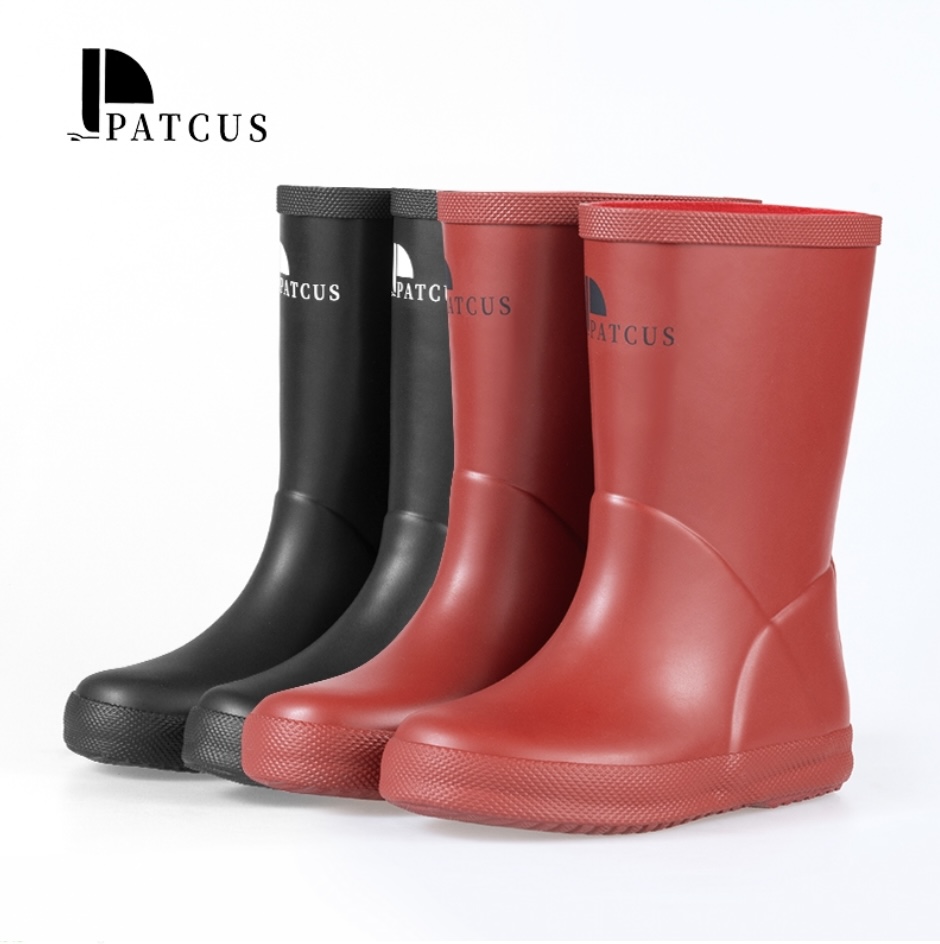
Kids boot performance depends on material properties and manufacturing processes tailored to young users’ needs. Common materials include natural rubber, PVC, and EVA, each with distinct traits: natural rubber offers superior flexibility for growing feet, PVC provides consistent waterproof protection, and EVA reduces overall weight for extended play. Injection molding is often used to create seamless upper structures, eliminating potential water entry points at seams, while vulcanization enhances rubber durability against extreme cold.
Professional Rain Boot Manufacturer plays a key role in translating material science into kid-centric design, adjusting compound formulations to balance flexibility, insulation and waterproofing without sacrificing comfort. Outsole patterns are engineered with shallow, wide grooves to provide grip on wet or icy surfaces, while shaft height is optimized to cover the ankle and lower calf without restricting leg movement.
3. Practical Solutions and Operation Steps
To select boots that perform well in wet winter outdoor activities, follow these actionable steps, grounded in industry standards and kid-specific needs:
- Measure your child’s feet at the end of the day, when feet are slightly swollen, to ensure 0.5 to 1 cm of extra space for thick winter socks and growing feet.
- Check outsole slip resistance against EN ISO 20347:2022+A1:2024 requirements, which specify test methods for grip on wet surfaces suitable for non-safety footwear.
- Verify upper material construction: seamless injection-molded designs perform better than stitched-seam boots for prolonged exposure to standing water or slush.
- Test flexibility by bending the boot’s shaft; it should fold easily at the midfoot to match a child’s natural walking and running motion.
- Avoid overly heavy boots, as excess weight contributes to fatigue during extended outdoor play sessions.
4. Daily Maintenance and Precautions
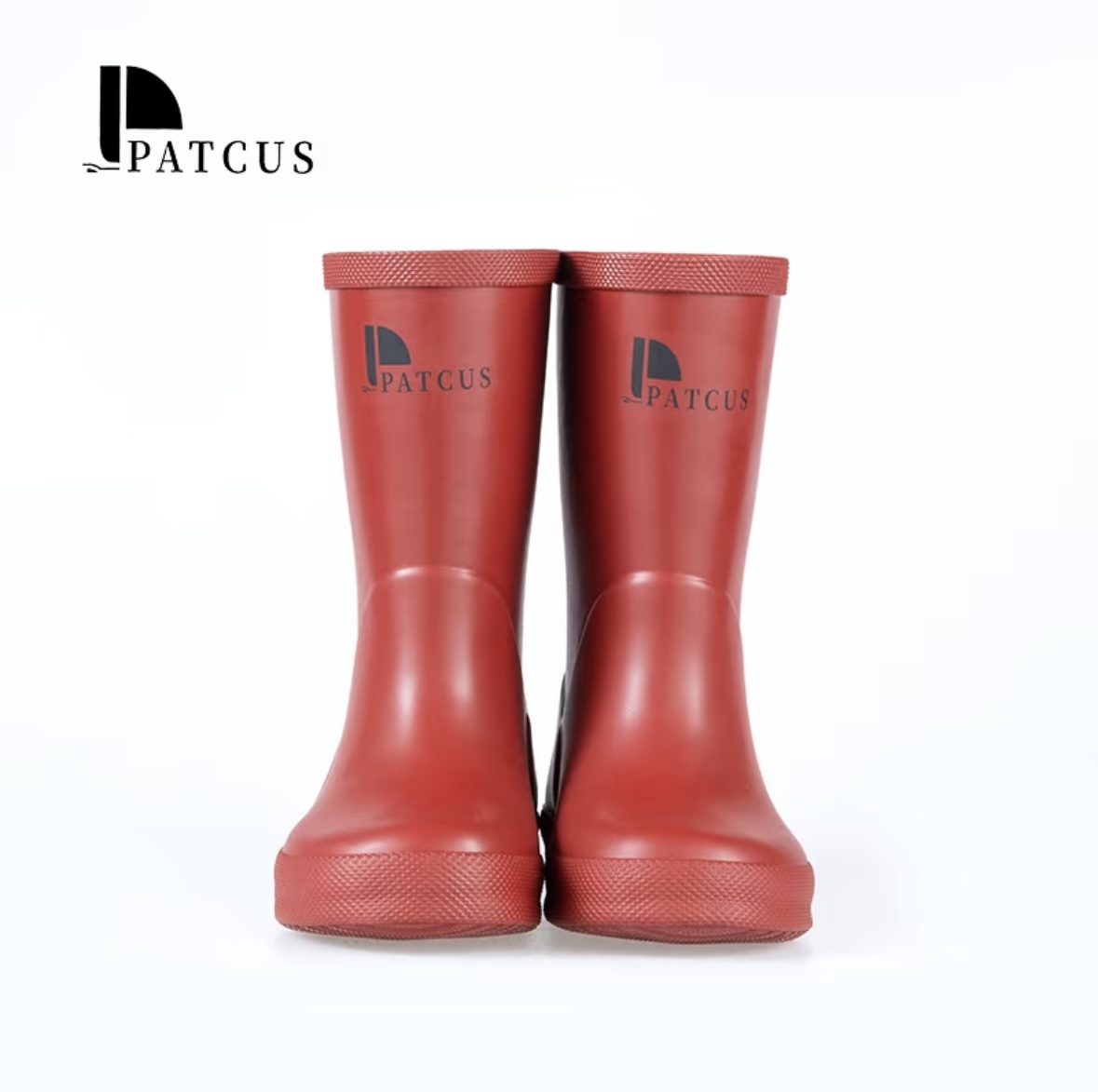
Proper maintenance extends the performance lifespan of kids boots and prevents common issues like cracking, leaks or odor. After each use in wet or snowy conditions, remove insoles and laces, and wash the exterior with mild soap and lukewarm water, avoiding harsh chemical cleaners that can degrade rubber or PVC compounds.
Dry boots at room temperature, away from direct sunlight or space heaters, as high heat can cause material brittleness. Insert crumpled paper towels or boot trees to absorb moisture and maintain shape, which is especially important for seamless designs. Avoid leaving boots in enclosed spaces like car trunks for long periods, as trapped moisture promotes bacterial growth and odor.
Key precautions to follow: do not use kids rain boots for industrial work or heavy duty tasks that require safety footwear; do not apply waterproofing sprays not formulated for rubber or PVC, as they may clog material pores; and never store damp boots in a confined area without ventilation.
5. Industry Standard and Parameter Reference
ParameterRecommended ReferenceWhy It Matters
Slip resistance (general use)EN ISO 20347:2022+A1:2024 (category OB)Evaluates outsole grip on wet flat surfaces, suitable for school commute and neighborhood play
Upper waterproofnessISO 20344:2021 (Test Method 7.1)Tests resistance to water penetration under pressure, critical for wet winter conditions
Flexibility for growing feetASTM F2412-24 (Annex A5)Assesses material bend resistance at low temperatures, relevant for winter use
Chemical resistanceEN 13832-3:2018 (low-level contact)Protects against mild exposure to road salt or lawn chemicals, common in winter outdoor settings
These standards provide consistent benchmarks for boot performance, helping caregivers evaluate products without relying on unsubstantiated performance claims. All test results must come from accredited third-party laboratories to ensure accuracy.
6. Customer Common FAQ
Q: Are natural rubber boots more flexible than PVC boots for active children?
A: For kids, natural rubber typically offers better low-temperature flexibility, which reduces restriction during running and jumping in cold conditions. Professional Rain Boot Manufacturer often formulates rubber compounds to stay flexible between -10°C to 5°C, suitable for most Northern Hemisphere winter climates. PVC boots are stiffer but maintain consistent waterproof performance in heavy snow.
Q: How do I know if my child’s boots are too slippery on icy sidewalks?
A: Check for outsole grooves wider than 3 mm, as narrower grooves fill with ice and lose grip. The EN ISO 20347:2022+A1:2024 OB rating is a reliable benchmark for non-safety footwear used on wet surfaces; boots meeting this standard perform adequately for most residential icy conditions.
Q: Should I size up in kids winter boots to accommodate thick socks?
A: It is recommended to leave 0.5 to 1 cm of extra space, measured from the toe to the end of the boot’s insole. Too much space causes blisters as feet shift inside during play, while too little restricts circulation. Professional Rain Boot Manufacturer advises sizing based on foot length rather than age, as children’s growth rates vary widely.
Q: Why do kids boots develop an odor after repeated use?
A: Odor comes from trapped moisture inside the boot, which creates a breeding ground for bacteria. Proper drying after each use, including removing insoles, prevents this. Avoid machine washing insoles, as they can become misshapen and lose cushioning.
Conclusion
Kids’ boots perform best in wet winter outdoor activities when they balance waterproof protection, flexibility, grip and comfort tailored to active young users. Selection should follow size measurements, standard-based performance checks, and material assessment, while regular maintenance extends their usable lifespan. Professional Rain Boot Manufacturer provides data-backed guidance to avoid common pitfalls like poor fit or inadequate grip, ensuring boots support safe, enjoyable outdoor play through the winter months.
References
- ISO. ISO 20347:2022+A1:2024: Occupational footwear requirements. International Organization for Standardization, 2024.
- ISO. ISO 20344:2021: Footwear - Test methods for whole footwear. International Organization for Standardization, 2021.
- ASTM International. ASTM F2412-24: Standard test methods for foot protection. ASTM International, 2024.
- European Committee for Standardization. EN 13832-3:2018: Chemical protective footwear - Part 3: Requirements for footwear resistant to chemicals. CEN, 2018.