


How Men’s 3D Effect Boots Boost All-Day Work Comfort
Oct 13, 2026
View: 0
Leave a message
Meta Description: Men’s 3D effect work boots are designed to solve common pain points that disrupt all-day work comfort, like stiff fit, heat buildup, or inadequate support for long shifts. This guide covers their material benefits, structural design, maintenance tips, and industry standards to help you select the right pair. Professional Rain Boot Manufacturer offers expertise in functional boot design for occupational use.
Keywords: men 3D effect boots, work comfort, waterproof work boots, occupational footwear, boot maintenance, slip resistance, material science
1. Core Problem Analysis
1.1 Common Causes of the Problem
Most work boots fail to support all-day comfort due to three key design gaps: insufficient arch support that causes foot fatigue after 6+ hours, non-breathable lining that traps moisture leading to blisters, and rigid outsole patterns that lack shock absorption on hard surfaces. Many generic rain boots also use one-size-fits-all molding that creates pressure points around the ankle or heel, even for users with average foot dimensions.
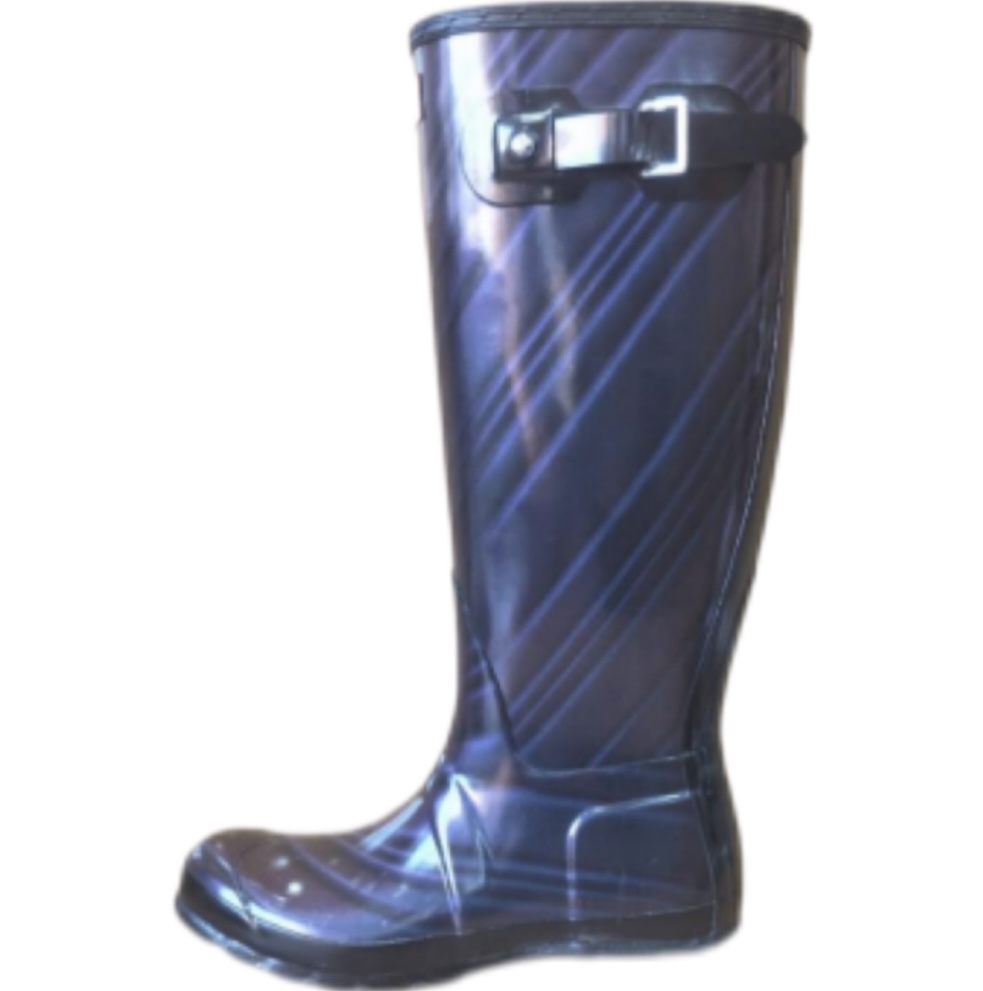
1.2 Affected Usage Scenarios
These comfort issues impact workers across high-stakes occupational environments: farm laborers working in muddy fields or damp barns, food processing staff handling wet production lines, warehouse workers standing on concrete floors for full shifts, livestock handlers navigating messy enclosures, and construction workers exposed to rain or damp job sites. All these roles require footwear that balances waterproof protection with sustained comfort.
2. Product and Process Principle
Men’s 3D effect boots rely on three integrated design principles to enhance all-day comfort: customized contour molding, layered material engineering, and targeted structural support. Unlike flat, traditional rain boots, 3D effect boots use computer-aided design (CAD) to map the unique pressure points of the male foot during prolonged standing and walking. This precision molding reduces excess material and pressure gaps that cause discomfort.
Material formulation is another critical component: high-density PVC or natural rubber compounds are mixed with flexible plasticizers to balance durability and give, while breathable lining materials meet the vapor permeability requirements of ISO 9237 for occupational footwear. Injection molding processes, used by Professional Rain Boot Manufacturer to maintain structural integrity, ensure seamless seams that eliminate water entry and reduce chafing on the ankle shaft.
3. Practical Solutions and Operation Steps
To maximize the comfort benefit of men’s 3D effect boots, follow these actionable steps for selection and initial use:
- Step 1: Measure your foot at the end of a workday, when feet are at their fullest, and select a size that leaves 0.5 inches of space between the toe and boot tip to avoid pressure during walking.
- Step 2: Choose a 3D effect boot with a contoured insole labeled for arch support; for roles on concrete, select a model with an outsole that meets slip resistance requirements under EN ISO 20347:2022+A1:2024.
- Step 3: Break in new boots gradually by wearing them for 2-3 hours daily for the first week, to allow the 3D molded structure to adjust to your foot’s shape without causing blisters.
- Step 4: For wet work environments, confirm the boot’s water resistance rating aligns with your tasks; for example, choose a seam-free design for tasks requiring full immersion, vs. water-resistant seam-sealed boots for light dampness.
4. Daily Maintenance and Precautions
Proper maintenance preserves the comfort and functional life of men’s 3D effect boots. After each use, remove dirt and mud with a soft brush and mild detergent, avoiding harsh solvents that can degrade the 3D molded material’s flexibility. Air-dry boots at room temperature, away from direct sunlight or space heaters, which can cause warping of the contoured structure and loss of support.
Additional precautions include: do not leave boots in a car trunk for extended periods, as extreme temperatures can alter material properties; avoid storing boots in a tightly closed bag, which traps moisture and causes odor; and never use 3D effect work boots as substitutes for safety-toe footwear in roles requiring impact protection, as standard 3D models are not tested for compressive resistance.
5. Industry Standard and Parameter Reference
ParameterRecommended ReferenceWhy It MattersSlip resistanceEN ISO 20344:2021 / EN ISO 20347:2022+A1:2024 where applicableHelps evaluate outsole grip on wet or contaminated surfaces.Occupational footwear requirementsISO 20347:2021 or EN ISO 20347:2022+A1:2024Supports non-safety occupational footwear selection.Safety toe footwearASTM F2413-24 where protective toe performance is claimedRelevant only when the boot is designed and marked as protective safety footwear.Flexural resistance of upperISO 20344:2021, Section 7Measures upper material durability after repeated bending, critical for 3D effect boot’s contoured fit.Vapor permeabilityISO 9237:1995Ensures lining allows moisture escape to prevent blisters during all-day wear.
All performance evaluations for 3D effect boots should be tested under standard conditions to ensure consistency; third-party tests from SGS or Intertek provide verified data for occupational footwear selection.
6. Customer Common FAQ
Q: Are men’s 3D effect boots suitable for sub-zero work environments?
A: 3D effect boots designed for cold weather use a specialized rubber compound with low-temperature flexibility, tested under ISO 20344:2021 at -20°C. Professional Rain Boot Manufacturer recommends selecting models labeled for cold resistance, as standard compounds may become rigid and lose comfort in freezing conditions.
Q: How do I tell if a 3D effect boot’s support is working correctly?
A: Correct support means no pressure points on the arch, heel, or toe box after 2 hours of wear. If you feel sharp pain or fatigue after a short time, the boot’s contour may not match your foot shape, and you should exchange it for a size or model that fits better.
Q: Can I machine wash my men’s 3D effect boots?
A: Machine washing is not recommended, as the spinning cycle can damage the contoured 3D structure and weaken seams. Hand washing with mild detergent and air drying is the safe method to preserve comfort and durability.
Q: Do 3D effect boots provide better waterproofing than traditional rain boots?
A: 3D molding allows for seamless construction around the ankle and toe areas, reducing the risk of water entry at seams. However, waterproofing performance depends on the material formulation and manufacturing process, so always check third-party test results for water resistance claims.
Conclusion
Men’s 3D effect boots address core all-day work comfort pain points through precision molding, layered material design, and adherence to occupational footwear standards. By selecting the right size, breaking in boots properly, and following maintenance guidelines, workers can reduce foot fatigue and improve on-job comfort. Professional Rain Boot Manufacturer’s expertise in functional footwear design helps ensure these benefits align with real-world work requirements, without compromising durability or protection.
References
- ISO 20347:2021, Occupational protective footwear – Requirements, International Organization for Standardization, 2021
- ISO 20344:2021, Footwear – Test methods for whole shoe, International Organization for Standardization, 2021
- EN ISO 20347:2022+A1:2024, Occupational footwear – Requirements and test methods, European Committee for Standardization, 2024
- SGS, Third-Party Test Report: Flexural and Water Resistance of 3D Molded Work Boots, 2024