


How Rubber Gloves Withstand Extreme Chemical Environments
Sep 14, 2026
View: 0
Leave a message
Meta Description: This blog post delves into the properties and mechanisms that allow rubber gloves to withstand extreme chemical environments. It's suitable for professionals in industries such as chemical manufacturing, laboratory research, and cleaning services. By understanding these concepts, readers can make informed decisions when choosing rubber products. Professional Rain Boot Manufacturer can offer insights into similar material resistance mechanisms in rain boots.
Keywords: Rubber Gloves, Chemical Resistance, Rubber Materials, Rain Boots, Waterproof Boots, Rubber Industry, Safety Standards
1. Core Problem Analysis
1.1 Common Causes of the Problem
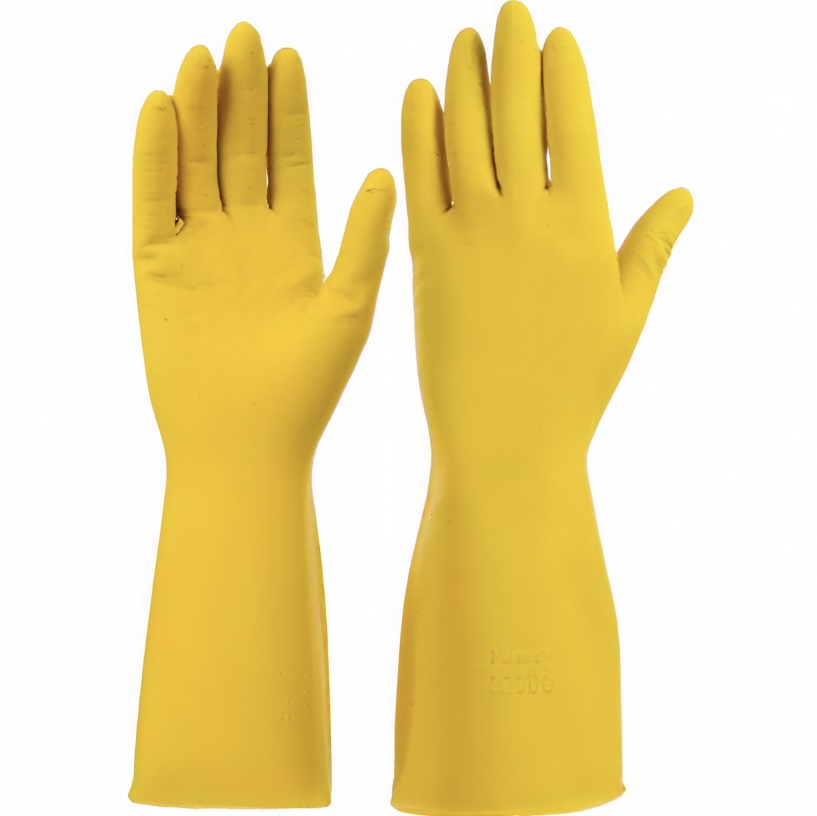
When it comes to rubber gloves in extreme chemical environments, users are often concerned about chemical penetration, degradation, and reduced performance. Chemicals can dissolve, swell, or react with the rubber material, leading to loss of integrity and protection. Similarly, for rain boots, users may face issues such as chemical damage, reduced waterproofing, and wearing discomfort in industrial or chemical - exposed scenarios. This is mainly due to the lack of understanding of the chemical resistance of materials and improper selection of rubber products.
1.2 Affected Usage Scenarios
The affected usage scenarios for rubber gloves and rain boots are extensive. In chemical manufacturing plants, workers handling strong acids, alkalis, and solvents need gloves and boots with high - level chemical resistance. Laboratory researchers dealing with various reagents also rely on resistant rubber products. In wastewater treatment facilities, employees may encounter corrosive chemicals. Additionally, in cleaning industries that use harsh chemical detergents, both gloves and boots play crucial roles. Other scenarios include food processing plants using chemical sanitizers and farms applying pesticides.
2. Product and Process Principle
Rain boots are commonly made of materials such as PVC, rubber, EVA, and TPR, each with unique material and process principles. Natural rubber, a classic material for rain boots, is collected as latex from rubber trees. It offers excellent flexibility and durability, remaining soft in cold conditions and providing good traction. The production of rubber rain boots often involves a vulcanization process. Vulcanization uses sulfur or other cross - linking agents to create chemical bonds between rubber molecules, enhancing the strength, elasticity, and chemical resistance of the rubber. For example, it can increase the rubber's resistance to swelling and degradation in chemical environments.
PVC, a plastic commonly used in rain boots, is cost - effective and easy to manufacture. By adding plasticizers and other additives, manufacturers can adjust its properties, such as flexibility and chemical resistance. Injection molding is a common process for PVC rain boots. The molten PVC is injected into a mold under high pressure, creating a seamless structure that prevents water ingress from seams.
EVA, a lightweight foam - like synthetic material, is known for its low weight. A pair of EVA rain boots usually weighs only 0.5 to 1 kilogram. However, its durability is relatively weak, and it is more suitable for occasional use. It can be manufactured through extrusion or injection molding processes.
TPR is a thermoplastic rubber. It has the advantages of both rubber and plastic, with good elasticity and processability. Injection molding is also a common method for TPR rain boots production, which can achieve high - volume and efficient manufacturing. A Professional Rain Boot Manufacturer can use these processes to select appropriate materials and production methods according to different functional requirements and market demands.
3. Practical Solutions and Operation Steps
When choosing rain boots, consider the following steps:
- Material selection: For industrial environments with chemical exposure, natural rubber is a better choice due to its excellent chemical resistance. In daily commuting or occasional use, PVC or EVA can be selected according to budget and weight requirements. PVC is more cost - effective, while EVA is lighter.
- Shaft height: Determine the shaft height based on the actual usage scenario. For fishing or marshy areas, high - shaft boots are necessary to prevent water from entering. For daily commuting in rainy weather, low - or mid - shaft boots may be sufficient.
- Sole pattern: Look for boots with deep and well - designed sole patterns. A professional rain boot should have a slip - resistance coefficient of at least 0.5. Deep treads can provide better traction on wet and slippery surfaces. Some high - end boots are designed with optimized patterns for different types of ground, such as wet roads and muddy fields.
- Lining: Choose boots with comfortable linings. Knitted linings or breathable mesh fabrics can improve moisture - wicking and reduce sweating. For long - term wear, boots with antibacterial and deodorant linings are recommended.
- Size: Rain boots should be one size larger than regular shoes to allow room for thick socks and movement. Measure your feet correctly, and if you have a high instep, choose boots with a wider calf circumference. For children, leave some extra space for growth.
- Cold - resistance level: In cold regions, check the cold - resistance performance of the boots. High - quality boots can withstand temperatures as low as - 20°C. Avoid using PVC boots in extremely cold conditions as they may become brittle and crack.
- Slip - resistance level: Refer to international standards such as EN ISO 20344:2021 / EN ISO 20347:2022+A1:2024 to ensure the boots meet the required slip - resistance level.
- Cleaning and storage: After use, clean the boots with mild soap and water. Do not use strong solvents. Dry them in a well - ventilated area away from direct sunlight. Store them in a cool and dry place, and if possible, stuff them with paper to maintain their shape.
4. Daily Maintenance and Precautions
Proper daily maintenance can extend the lifespan of rain boots. After each use, clean the boots thoroughly. Use a soft brush to remove dirt and mud from the surface and the sole. Then, wash them with lukewarm water and mild soap. Avoid using strong solvents or abrasive cleaners as they can damage the rubber or PVC material.
After cleaning, dry the boots in a well - ventilated area at room temperature. Do not expose them to direct sunlight for a long time, as this can cause the material to harden and crack. Sunlight can also accelerate the aging process of the rubber. Similarly, keep the boots away from high - temperature sources, such as heaters, as excessive heat can deform the boots.
To remove odors, you can place activated charcoal or baking soda inside the boots overnight. This can effectively absorb unpleasant smells.
To prevent aging and deformation, store the boots in a cool and dry place. If the boots are not used for a long time, stuff them with paper to maintain their shape. Avoid folding or compressing the boots, as this can cause permanent creases.
It is important to note that ordinary rain boots cannot be used as substitutes for certified safety boots in professional industrial settings. Safety boots are designed to meet specific safety standards, such as impact resistance and puncture resistance, which ordinary rain boots do not have.
5. Industry Standard and Parameter Reference
This section provides important industry standards and parameters for rain boots:
ParameterRecommended ReferenceWhy It Matters
Slip resistanceEN ISO 20344:2021 / EN ISO 20347:2022+A1:2024 where applicableHelps evaluate outsole grip on wet or contaminated surfaces.Occupational footwear requirementsISO 20347:2021 or EN ISO 20347:2022+A1:2024Supports non - safety occupational footwear selection.Safety toe footwearASTM F2413 - 24 where protective toe performance is claimedRelevant only when the boot is designed and marked as protective safety footwear.Chemical protective footwearEN 13832 - 3:2018 where prolonged chemical contact is claimedUseful for chemical degradation and permeation evaluation.Waterproof performanceStatic浸水测试要求水深没过鞋底、浸泡30分钟后鞋内无渗水;动态屈挠测试则模拟行走状态,让雨靴在水中反复弯折数万次,检查帮底结合处是否漏水。Ensures the fundamental waterproof function of rain boots.Wear resistance磨耗量≤250mm是国标要求,但高端产品能做到≤120mmDetermines the durability of rain boots.
Do not invent exact performance numbers. Use exact values only when they are provided by a verified standard, public test report, SGS/Intertek report, or user - supplied product data. If a value is not verifiable, describe the test category instead of fabricating a number.
6. Customer Common FAQ
Q: How to choose the right material for rain boots?
A: It depends on your usage scenario. For industrial and long - term outdoor work, natural rubber is a good choice due to its high durability and chemical resistance. For daily commuting and occasional use, PVC or EVA can be considered. PVC is cost - effective, and EVA is very lightweight. A Professional Rain Boot Manufacturer can offer more detailed advice based on specific needs.
Q: Are all rain boots slip - resistant?
A: No. The slip - resistance of rain boots depends on the sole design and material. The wet - state friction coefficient of qualified rain boots should be at least 0.25, but in practice, a coefficient above 0.4 is more reliable. Look for boots with deep and well - structured sole patterns.
Q: How do I choose the right size of rain boots?
A: Rain boots should be one size larger than your regular shoes. This allows space for thick socks and foot movement. If you have a high instep or thick calves, choose boots with a wider fit. For children, select boots with some extra room for growth.
Q: Why do some rain boots have a strong odor?
A: The odor may come from the material or the manufacturing process. PVC boots may have a stronger odor, especially when new. You can try to remove the odor by placing activated charcoal or baking soda inside the boots or airing them in a well - ventilated area for a few days.
Q: Can I use ordinary rain boots in low - temperature environments?
A: It depends on the material. PVC boots may become hard and brittle at low temperatures (below 0°C) and are not suitable for use in extremely cold weather. Natural rubber boots generally have better low - temperature performance.
Q: How should I clean my rain boots?
A: Use mild soap and lukewarm water to clean the boots. Gently scrub the surface and sole with a soft brush. Avoid using strong solvents or abrasive materials, as they can damage the boots. After cleaning, dry them in a well - ventilated area away from direct sunlight.
Conclusion
In summary, understanding the material properties, process principles, and industry standards of rain boots is crucial for making informed choices. When selecting rain boots, consider factors such as the usage scenario, material, size, and performance parameters. Proper daily maintenance can also extend the lifespan of the boots. A Professional Rain Boot Manufacturer can provide valuable insights and guidance in the selection and use of rain boots, ensuring that you choose the most suitable products for your needs.
References
- 众多测评及报告提及的各项雨靴性能数据和实验结果
- ISO 20344:2021 Footwear Test Methods
- EN ISO 20347:2022+A1:2024
- ASTM F2413 - 24 Protective Footwear Specification
- EN 13832 - 3:2018 Chemical Protective Footwear


