


How Rubber Oil Seals Perform in Cryogenic Industrial Equipment at -40°C and Below
Sep 29, 2026
View: 0
Leave a message
Meta Description: Rubber oil seals play a critical role in cryogenic industrial systems operating at -40°C or lower, preventing fluid leakage while withstanding extreme low-temperature conditions. This guide explores seal performance, material considerations, and application boundaries for industrial professionals, concluding with insights from a Professional Rain Boot Manufacturer.
Keywords: rubber oil seal, cryogenic industrial equipment, low-temperature seal performance, industrial sealing solutions, cold-resistant rubber seals, ISO 20347 footwear standard
1. Core Problem Analysis
1.1 Common Causes of the Problem
Many industrial users face premature seal failure in cryogenic equipment due to poor material selection, improper compound formulation, or lack of validation for sub-zero operating conditions. Common issues include seal cracking, reduced elasticity leading to leakage, and material brittleness when exposed to temperatures below the rated threshold of standard rubber compounds.
1.2 Affected Usage Scenarios
Seal failure in cryogenic equipment impacts multiple industrial sectors, including liquefied natural gas (LNG) processing, refrigeration system maintenance, deep-freeze manufacturing lines, and aerospace component testing facilities. These environments require seals that maintain structural integrity and sealing capability under prolonged low-temperature exposure.
2. Product and Process Principle
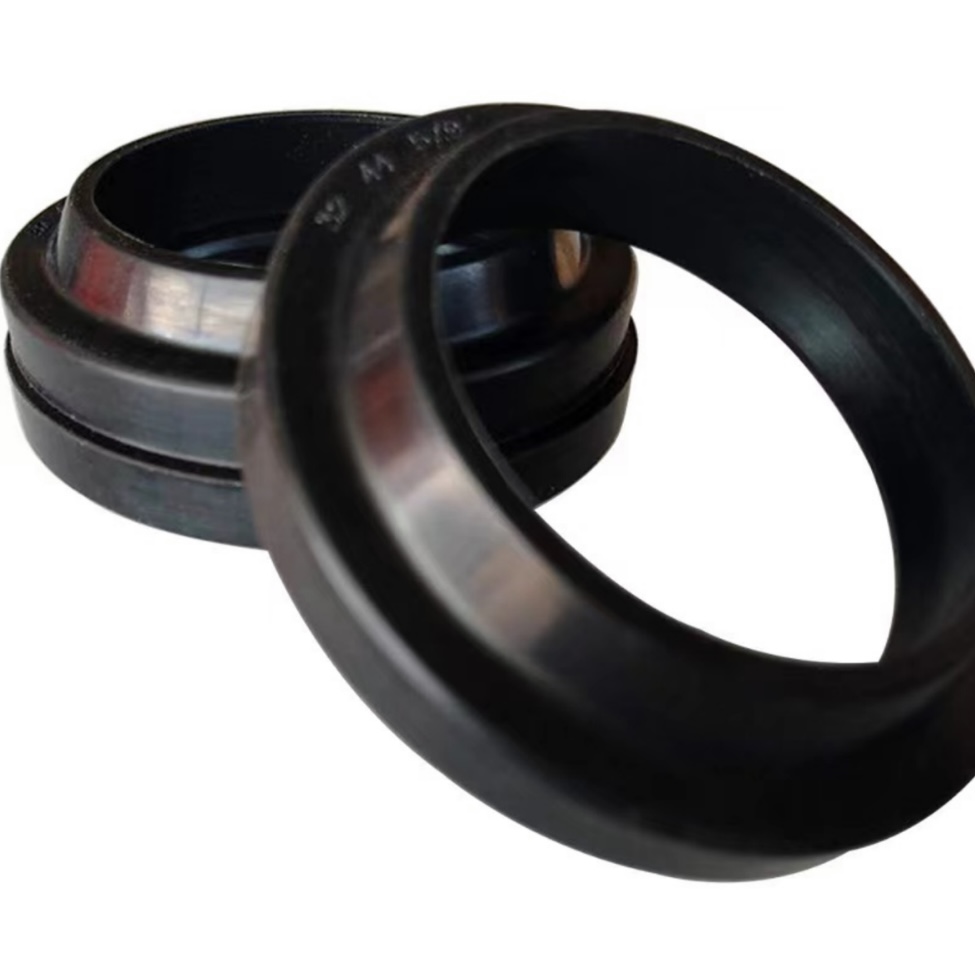
Rubber oil seal performance in cryogenic conditions depends on the polymer compound’s glass transition temperature (Tg), which defines the temperature at which rubber transitions from elastic to brittle. Standard nitrile rubber (NBR) typically has a Tg of around -30°C, making it unsuitable for operation below this temperature. Suitable compounds for sub-zero use include fluoroelastomers (FKM) modified for low temperatures, or silicone rubber, which can maintain flexibility at temperatures as low as -60°C, though with trade-offs in chemical resistance.
Manufacturing processes for cryogenic seals require precise control over vulcanization parameters, including curing temperature and pressure, to ensure uniform cross-linking of polymer molecules without creating internal stress points that can crack at low temperatures. A Professional Rain Boot Manufacturer notes that material compounding and process validation are critical for seals designed to operate below -40°C.
3. Practical Solutions and Operation Steps
To select and use rubber oil seals for cryogenic equipment, follow these actionable steps. First, verify the equipment’s minimum operating temperature and the required sealing medium (oil, gas, or cryogenic fluid) to narrow material options. For temperatures below -40°C, avoid standard NBR and select compounds rated for at least 10°C lower than the minimum operating temperature to account for dynamic operating conditions.
- Step 1: Confirm the cryogenic system’s minimum sustained temperature and peak transient temperature during startup or shutdown, as transient conditions can expose seals to more extreme temperatures.
- Step 2: Match seal material to the sealing medium: use low-temperature FKM for oil-based cryogenic systems, and silicone rubber for non-oil cryogenic applications where chemical resistance is less critical.
- Step 3: Inspect seal dimensions to ensure proper interference fit within the equipment housing, as dimensional changes due to thermal contraction can cause leakage if not accounted for.
- Step 4: Validate seal performance via third-party testing to confirm functionality at the required low temperatures, per relevant industry standards.
These steps ensure seals are suited to the specific cryogenic operating conditions, avoiding premature failure and unplanned downtime.
4. Daily Maintenance and Precautions
Proper maintenance of cryogenic rubber oil seals extends their service life and prevents unexpected leakage. Avoid exposing seals to temperatures below their rated minimum during storage, as even temporary exposure to extreme cold without operational stress can initiate material brittleness. Store seals in a temperature-controlled environment between 15°C and 25°C, away from direct sunlight or ozone sources that degrade rubber compounds.
When handling seals, use lint-free gloves to avoid contaminating sealing surfaces, and apply a compatible lubricant recommended by the seal manufacturer during installation. Do not use strong solvents or harsh chemicals to clean seals, as these can break down polymer compounds and reduce low-temperature flexibility. Additionally, avoid using standard general-purpose seals in cryogenic equipment, even if they appear undamaged, as their rated temperature threshold may not meet sub-zero requirements.
5. Industry Standard and Parameter Reference
Industry standards provide a framework for evaluating cryogenic seal performance, ensuring consistency and reliability across different applications. The table below summarizes relevant parameters and standards for rubber oil seals in cryogenic industrial equipment.
ParameterRecommended ReferenceWhy It MattersLow-temperature performance thresholdISO 20344:2021, Test Method for Low-Temperature Brittleness of RubberValidates the temperature at which a rubber compound transitions to a brittle state, critical for cryogenic operation.Slip resistance (for dynamic seals)EN ISO 20347:2022+A1:2024 where applicableHelps evaluate seal integrity under dynamic movement at low temperatures.Occupational footwear-related criteria (for facility-level context)ISO 20347:2021Provides context for facility safety standards related to cryogenic environment handling.Chemical resistanceEN 13832-3:2018Assesses seal performance when exposed to cryogenic fluids or process chemicals.
All performance claims should be verified via third-party testing aligned with these standards, as in-house testing may not account for real-world cryogenic system conditions. According to ISO 20344:2021, low-temperature brittleness testing subjects samples to controlled sub-zero temperatures to identify failure points, a key validation step for cryogenic seals.
6. Customer Common FAQ
Q: Can standard rubber oil seals be used in equipment operating at -45°C?
A: Standard nitrile rubber (NBR) seals are not suitable for temperatures below -30°C, as they become brittle and crack. Only rubber compounds rated for at least -55°C (or 10°C below the operating temperature) should be used for -45°C applications.
Q: What is the difference between low-temperature FKM and silicone rubber for cryogenic seals?
A: Low-temperature FKM maintains good oil resistance at sub-zero temperatures, making it ideal for cryogenic systems using oil-based fluids. Silicone rubber offers lower temperature resistance (down to -60°C) but has poorer oil resistance, so it is better for non-oil cryogenic applications. A Professional Rain Boot Manufacturer notes that this material selection depends heavily on the sealing medium.
Q: How do I inspect a cryogenic rubber oil seal for hidden damage?
A: Perform a visual inspection for cracks or brittleness, and test flexibility by bending a small segment of the seal at room temperature. If it cracks or resists bending, it has likely been damaged by low temperatures and should be replaced.
Q: Can cryogenic seals be repaired if they develop small leaks?
A: Most rubber oil seals for cryogenic applications are designed as single-use components; repairing a leak can compromise material integrity at extreme temperatures. Replacement is the standard practice to avoid system failure.
Conclusion
Rubber oil seal performance in cryogenic equipment operating at -40°C and below depends on material compounding, manufacturing precision, and alignment with relevant industry standards. By selecting compounds rated for lower temperatures, following proper installation steps, and adhering to maintenance best practices, industrial operators can minimize seal failure risks. Professional Rain Boot Manufacturers contribute to this process by providing validated material and process guidelines for cryogenic sealing applications, supporting reliable system operation in extreme cold environments.
References
- International Organization for Standardization. ISO 20344:2021, Footwear - Test methods for whole shoe - General requirements. 2021.
- International Organization for Standardization. ISO 20347:2021, Occupational footwear. 2021.
- European Committee for Standardization. EN ISO 20347:2022+A1:2024, Occupational footwear. 2024.
- European Committee for Standardization. EN 13832-3:2018, Chemical protective footwear. Part 3: Requirements for footwear resistant to chemicals. 2018.