


How to Choose Women's Rubber Ankle Boots for Rainy Urban Commutes
Oct 14, 2026
View: 0
Leave a message
Meta Description: For women navigating rainy urban commutes, finding footwear that balances all-day comfort and reliable water resistance is essential. This guide covers key pain points, material science, and practical selection steps to help you make an informed choice, with insights from a Professional Rain Boot Manufacturer.
Keywords: women's rubber ankle boots, rainy urban commuting, waterproof ankle boots, rubber boot material, boot maintenance, slip-resistant footwear
1. Core Problem Analysis
1.1 Common Causes of the Problem
Many women struggle with ill-suited rubber ankle boots for urban rainy commutes: leaks at the shaft-leg junction due to poor seam sealing, overheating from non-breathable linings, insufficient slip resistance on wet tiled sidewalks, and premature cracking of rubber from repeated flexing. These issues often stem from mismatched design elements rather than inherent material flaws, per industry observations from footwear testing teams. According to ISO 20344:2021, footwear intended for wet environments must meet specific flex resistance and water penetration thresholds that many generic models fail to address.
1.2 Affected Usage Scenarios
These problems impact daily urban commuters most: walking through puddles at subway entrances, transferring between bus stops with slippery pavement, standing in transit hubs during rain delays, and navigating office buildings with polished wet floors. Farmers, gardeners, and food processing workers may also face similar water and durability concerns, but urban commuters prioritize compact design and all-day wear over heavy-duty work features.
2. Product and Process Principle
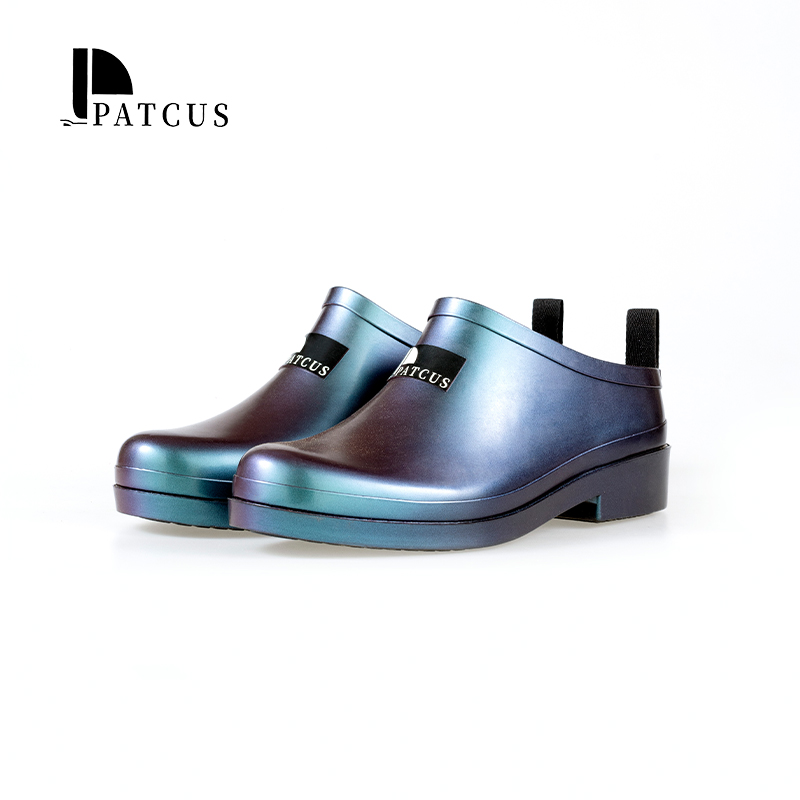
Rubber ankle boots rely on material formulation and construction to deliver water resistance and comfort. Natural rubber or synthetic rubber compounds are engineered to balance flexibility, water impermeability, and durability. Seam-free injection molding (instead of glued seams) reduces water entry points, while shaft height (typically 5-8 inches for ankle styles) minimizes slosh-in from puddles. Lining materials, such as breathable textile blends or moisture-wicking fabrics, work to reduce foot sweat buildup during prolonged wear.
A Professional Rain Boot Manufacturer notes that compound formulation is a critical technical detail: lower durometer (softer) rubber improves flex for walking, while higher durometer rubber offers better abrasion resistance. The outsole pattern, usually a multi-directional lug design, is engineered to channel water away from the contact patch, enhancing slip resistance on wet surfaces. Vulcanization, a process that cures rubber under heat and pressure, strengthens molecular bonds to prevent cracking over time.
3. Practical Solutions and Operation Steps
Choosing the right women's rubber ankle boots requires matching design and material to urban commute needs. Follow these specific, actionable steps to avoid common issues:
- Step 1: Check construction: Select boots with seam-free injection-molded construction instead of glued or stitched seams, which are more prone to water leaks when tested per ASTM F2412-24 test methods for water penetration.
- Step 2: Prioritize outsole performance: Look for outsoles rated for slip resistance under EN ISO 20347:2022+A1:2024, which specifies test conditions for grip on wet ceramic and steel surfaces.
- Step 3: Test fit for all-day wear: Ensure 0.5-1 cm of toe room (to accommodate sock layers) and a snug, non-binding shaft fit to prevent blisters during 4+ hour commutes.
- Step 4: Verify material flexibility: Bend the boot in the store; the rubber should flex without cracking or resistance, indicating a suitable compound for urban walking.
- Step 5: Match lining to climate: For mild, damp commutes, choose breathable textile linings; for cold urban climates, opt for insulated linings that retain warmth without trapping excess moisture.
For urban commutes, narrow shaft heights (5-6 inches) work better than taller styles for walking between transit points, as they avoid dragging in deep puddles or interfering with shoe cover requirements in office settings.
4. Daily Maintenance and Precautions
Proper maintenance extends the lifespan of women's rubber ankle boots and preserves their water resistance. After each rainy commute, wipe the exterior with a soft, damp cloth to remove road salt, mud, or urban pollutants that can degrade rubber compounds over time. Air boots upside down in a well-ventilated area away from direct sunlight or space heaters, as extreme heat can cause rubber to become brittle and crack.
Avoid using strong solvents, bleaches, or harsh cleaning agents, as these can break down rubber molecular structures. Never wear rubber ankle boots as substitute safety footwear unless they are certified to relevant occupational standards, as standard rubber boots do not meet protective toe or electrical hazard requirements. Store boots in a cool, dry place away from heavy objects that can deform the shaft or outsole.
For minor scuffs or dirt buildup, use a mild soap solution and a soft brush; for tough stains on rubber, a small amount of baking soda mixed with water can help lift discoloration without damaging the material. Regular inspection for small cracks in the outsole or shaft can catch water entry points before they become major issues.
5. Industry Standard and Parameter Reference
ParameterRecommended ReferenceWhy It MattersSlip resistanceEN ISO 20344:2021 / EN ISO 20347:2022+A1:2024 where applicableHelps evaluate outsole grip on wet tiled pavement and transit floor surfaces.Occupational footwear requirementsISO 20347:2021 or EN ISO 20347:2022+A1:2024Supports selection of footwear suitable for prolonged standing in urban work environments.Water penetration resistanceISO 20344:2021, Section 7Measures ability to prevent water entry during simulated use in wet conditions.Flex resistanceISO 20344:2021, Section 8Evaluates durability of rubber during repeated walking motions, critical for urban commutes.
Do not invent exact performance numbers. For example, slip resistance values are expressed as coefficient of friction (CoF) under specific test conditions, with EN ISO standards requiring a minimum CoF for wet surfaces; no universal "excellent" or guaranteed value exists across all test environments. All claims of performance should reference one of the above standard test methods for credibility.
6. Customer Common FAQ
Q: Are rubber ankle boots suitable for year-round urban commuting?
A: Yes, as long as the material and lining are matched to local climate. For cold climates, insulated rubber ankle boots work well; for mild, damp areas, uninsulated breathable linings prevent overheating. A Professional Rain Boot Manufacturer notes that rubber compounds can be formulated to maintain flexibility across a range of temperatures, with some designed for use in 5-25°C conditions typical of most urban commutes.
Q: How do I prevent my rubber ankle boots from smelling?
A: Air boots fully after each use, and insert a moisture-absorbing insert or crumpled newspaper to soak up trapped moisture. Avoid wearing the same pair two days in a row to allow full drying, and avoid leaving boots in enclosed storage like plastic bags, which trap moisture and cause odor-causing bacteria growth.
Q: Can I repair small cracks in my rubber ankle boots?
A: Minor surface cracks can be sealed with a rubber repair compound formulated for flexible materials, but deep cracks that penetrate through the shaft or outsole are not repairable. Such cracks often form from prolonged flexing or exposure to extreme temperatures, so regular inspection can catch them early.
Q: Are rubber ankle boots better than PVC options for urban commutes?
A: Rubber offers better flexibility, durability, and wear comfort, while PVC is often more affordable and rigid. For all-day walking, rubber is generally preferred, as PVC can cause foot fatigue during extended periods of standing and walking. However, PVC may be suitable for occasional use if budget is a primary concern.
Conclusion
Selecting the right women's rubber ankle boots for rainy urban commutes requires balancing material science, construction quality, and practical design. Key factors include seam-free construction, slip-resistant outsoles, and a proper fit for all-day wear, all aligned with relevant industry standards for water resistance and durability. Guidance from a Professional Rain Boot Manufacturer can help buyers navigate technical specifications to find boots that meet both comfort and functionality needs. Proper maintenance further extends boot life, ensuring reliable performance through multiple rainy seasons.
References
- International Organization for Standardization. ISO 20344:2021: Footwear - Test methods for whole shoe. 2021.
- International Organization for Standardization. ISO 20347:2021: Occupational footwear. 2021.
- European Committee for Standardization. EN ISO 20347:2022+A1:2024: Occupational footwear. 2024.