


How Waterproof Insulating Boots for Winter Ensure Warmth and Safety in Extreme Cold Conditions
Aug 24, 2026
View: 0
Leave a message
Meta Description: This article delves into the key problems, product and process principles, and practical solutions related to winter waterproof insulating boots. It provides insights for those working or living in extreme cold conditions. Whether you're an outdoor worker or a winter enthusiast, understanding these aspects can help you choose the right boots. Professional Rain Boot Manufacturer.
Keywords: Waterproof insulating boots for winter, rubber boots, rain boots, boot material, boot maintenance
1. Core Problem Analysis
1.1 Common Causes of the Problem
When searching for winter waterproof insulating boots, users often encounter several issues. One of the main problems is the lack of warmth. In extreme cold conditions, if the boots are not well - insulated, feet can quickly get cold, leading to discomfort and even frostbite. Another common problem is poor waterproofing. Water can seep into the boots through seams, the sole, or the upper material, making the feet wet. This not only reduces the insulation effect but also increases the risk of foot diseases. Additionally, insufficient traction can be a significant issue. Snow and ice can make surfaces slippery, and if the boots do not have good grip, it can lead to slips and falls, causing injuries. Size selection is also a concern. Boots that are too tight can restrict blood circulation, while boots that are too loose may not provide proper support and warmth.
1.2 Affected Usage Scenarios
These problems can impact various usage scenarios. In outdoor work such as construction, snow - clearing, and agriculture, workers need to stand or move in cold and wet environments for long periods. If their boots are not up to the task, it can affect their work efficiency and safety. For winter sports like skiing, snowboarding, and ice skating, good waterproof and insulating boots are essential for a comfortable and enjoyable experience. When commuting in cold and snowy weather, people also rely on these boots to keep their feet dry and warm on the way to work or school. Moreover, in activities like winter camping and hiking, proper boots can prevent hypothermia and enable adventurers to explore the winter wilderness safely.
2. Product and Process Principle
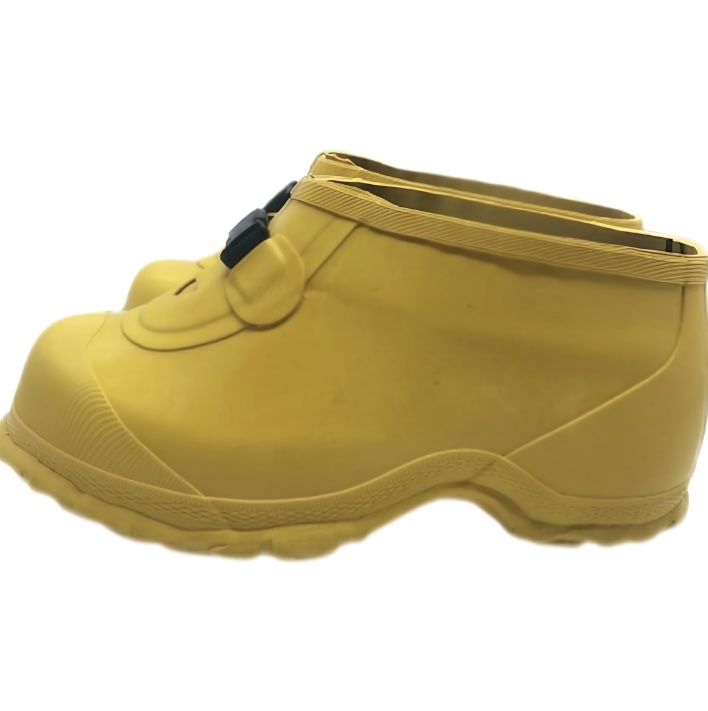
Winter waterproof insulating boots are typically made from a variety of materials. Rubber is a common choice due to its excellent waterproof properties. Natural rubber, which is extracted from the latex of rubber trees, has good elasticity and flexibility, allowing the boots to fit the feet comfortably. Synthetic rubbers like PVC and TPR are also widely used. PVC is cost - effective and can be easily molded into different shapes, while TPR has better performance in terms of durability and resistance to chemicals. The outsole pattern is crucial for providing traction. Deeper and more complex patterns, such as lugs or herringbone patterns, can grip snow and ice better. The shaft height determines the protection area. Higher shafts can prevent snow and water from entering the boots from the top. The lining material plays a vital role in insulation. Fleece or wool linings are commonly used because they can trap air and keep the feet warm. The manufacturing process of these boots often involves injection molding or vulcanization. Injection molding is a fast and efficient process that can produce boots with complex shapes. Vulcanization, on the other hand, can improve the strength and durability of the rubber. Some boots also feature a seam - free structure, which reduces the risk of water seepage. Professional Rain Boot Manufacturer can ensure that these materials and processes are used effectively to produce high - quality boots.
3. Practical Solutions and Operation Steps
When choosing winter waterproof insulating boots, consider the following steps:
- Material selection: For extreme cold and wet conditions, rubber boots are a good choice. Natural rubber offers better comfort, while synthetic rubbers are more durable and resistant to chemicals. For the lining, choose fleece or wool for better insulation.
- Shaft height: If you are likely to encounter deep snow, choose boots with a higher shaft (above the ankle and preferably up to the calf). For less snowy conditions or for activities where ankle mobility is crucial, mid - or low - shaft boots might be more suitable.
- Outsole pattern: Look for boots with deep, well - defined patterns for better traction. Lugs are great for uneven and snowy terrains, while herringbone patterns work well on flat, slippery surfaces.
- Inner lining: Ensure the lining is soft and breathable. It should be easy to dry in case it gets wet.
- Size: Measure your feet accurately and refer to the manufacturer's size chart. Make sure there is enough room for your toes to move freely, but the boots should not be too loose.
- Cold‑resistance rating: Check the manufacturer's specifications for the boot's cold - resistance rating. This will help you choose the right boots for the expected temperature range.
- Slip‑resistance rating: Look for boots that meet relevant safety standards for slip resistance, such as EN ISO 20344:2021 / EN ISO 20347:2022+A1:2024.
- Cleaning method: After use, clean the boots with a mild soap and water. Avoid using harsh chemicals that can damage the material. Rinse thoroughly and dry them in a well - ventilated area away from direct heat.
- Storage method: Store the boots in a cool, dry place. Do not fold or compress them for long periods, as this can damage the shape and structure of the boots.
4. Daily Maintenance and Precautions
To keep your winter waterproof insulating boots in good condition, follow these maintenance tips:
- Cleaning: After each use, remove any dirt, mud, or snow from the boots. Use a soft brush or cloth to gently scrub the surface. For stubborn stains, use a mild detergent. Rinse well with water and dry with a clean towel.
- Drying: Never dry the boots near a direct heat source such as a heater or fireplace. This can cause the rubber to crack and the lining to shrink. Instead, let them air - dry in a well - ventilated area.
- Odor removal: If the boots develop an odor, place a few tea bags or baking soda inside them overnight. These natural substances can absorb the odor.
- Anti‑aging care: Keep the boots away from sunlight and ozone, which can cause the rubber to age and crack. You can apply a rubber conditioner regularly to prevent this.
- Anti‑deformation tips: To maintain the shape of the boots, use boot trees or stuff them with newspaper when not in use.
- Low‑temperature storage: When storing the boots in low temperatures, make sure they are dry and clean. Do not let them freeze, as this can damage the material.
- Post‑chemical‑contact treatment: If the boots come into contact with chemicals, rinse them immediately with plenty of water. If the chemical is corrosive, consult the manufacturer for further advice.
Avoid some common mistakes. Do not expose the boots to long - term sunlight, as this can cause the rubber to harden and crack. Do not place the boots near high - temperature sources, as it can damage the structure. Do not use strong solvents to clean the boots, as they can dissolve the rubber or damage the lining. And never use ordinary rain boots as a substitute for certified safety boots in workplaces that require specific safety standards.
5. Industry Standard and Parameter Reference
Here are some important industry standards and parameters for winter waterproof insulating boots:
ParameterRecommended ReferenceWhy It MattersSlip resistanceEN ISO 20344:2021 / EN ISO 20347:2022+A1:2024 where applicableHelps evaluate outsole grip on wet or contaminated surfaces.Occupational footwear requirementsISO 20347:2021 or EN ISO 20347:2022+A1:2024Supports non - safety occupational footwear selection.Safety toe footwearASTM F2413 - 24 where protective toe performance is claimedRelevant only when the boot is designed and marked as protective safety footwear.Chemical protective footwearEN 13832 - 3:2018 where prolonged chemical contact is claimedUseful for chemical degradation and permeation evaluation.
When evaluating the performance of boots, make sure to refer to these standards. Do not rely on invented performance numbers. Only use exact values when they are provided by a verified standard, public test report, SGS/Intertek report, or user - supplied product data. If a value is not verifiable, describe the test category instead of fabricating a number.
6. Customer Common FAQ
Q: How do I choose the right material for winter boots?
A: If you need boots for general use and prioritize comfort, natural rubber is a good option. It has excellent elasticity and flexibility. For heavy - duty use and better resistance to chemicals and wear, synthetic rubber like PVC or TPR is more suitable. Professional Rain Boot Manufacturer can provide more detailed advice based on your specific requirements.
Q: Do winter boots need to be very thick to be warm?
A: Not necessarily. The warmth of boots depends on the insulation material and its ability to trap air. A high - quality lining like fleece or wool can provide good insulation even in thinner boots. Thick boots may be cumbersome and difficult to move in.
Q: How do I know if the boots are waterproof?
A: Check if the boots meet relevant waterproof standards. Look for products that are labeled as waterproof or test them in a controlled environment. A well - made waterproof boot should have a seamless structure or sealed seams. Also, pay attention to the material used, as rubber and certain synthetic materials are naturally waterproof.
Q: Can I wear winter boots for other seasons?
A: Winter boots are designed for cold and wet conditions. They may be too warm and heavy for other seasons. However, if you are in a cold and wet environment during other seasons, you can still wear them. But for normal weather, they may not be the most comfortable choice.
Q: How should I store my winter boots when not in use?
A: Store them in a cool, dry place. Use boot trees to maintain their shape. Avoid folding or compressing them. Also, make sure they are clean and dry before storage to prevent mold and mildew growth.
Conclusion
In summary, choosing the right winter waterproof insulating boots involves understanding the core problems such as warmth, waterproofing, and traction, as well as the product and process principles behind them. By following the practical solutions and proper maintenance methods, you can ensure the boots perform well and have a longer lifespan. Professional Rain Boot Manufacturer can offer valuable insights and guidance in the selection and maintenance of these boots.
References
- ISO 20344:2021, Footwear Test Methods
- EN ISO 20347:2022+A1:2024, Relevant Rain Boot Safety and Quality Standards
- ASTM F2413 - 24, Protective Footwear Specification
- EN 13832 - 3:2018, Chemical Protective Footwear