


How Women Latex Boots Excel in Wet and Muddy Conditions
Sep 9, 2026
View: 0
Leave a message
Meta Description: This article delves into how women latex boots perform well in wet and muddy conditions. It analyzes common issues, explains the product and process principles, offers practical solutions, maintenance tips, and industry standards. It is suitable for women who need waterproof boots for various outdoor activities. Professional Rain Boot Manufacturer
Keywords: Women Latex Boots, rain boots, waterproof boots, rubber boots, wet conditions, muddy conditions
1. Core Problem Analysis
1.1 Common Causes of the Problem
When users search for women latex boots suitable for wet and muddy conditions, they may encounter several problems. Firstly, the boots might not be waterproof enough, leading to water seepage and wet feet. This could be due to poor material quality, such as thin latex or improper sealing at the seams. Secondly, the boots may lack sufficient grip on slippery surfaces, increasing the risk of slipping and falling. The outsole pattern may not be well - designed or the rubber compound may not have good friction properties. Thirdly, the boots could be uncomfortable to wear for long periods, with issues like tightness, lack of breathability, or poor arch support. Additionally, over time, the latex material may age and crack, reducing the boot's lifespan and performance.
1.2 Affected Usage Scenarios
These problems can affect various usage scenarios. For example, in farming, women need to walk through wet fields and muddy areas, and boots that are not waterproof or slip - resistant can make the work difficult and dangerous. Gardening also involves working in wet soil and sometimes in the rain, so the boots need to keep the feet dry and provide a good grip. Fishing often takes place near water bodies, where the ground is wet and slippery. Rainy commuting is another scenario, where women need boots that can protect their feet from the rain and allow them to walk safely on wet pavements. Muddy outdoor work, such as construction or landscaping, also requires reliable boots to withstand the harsh environment.
2. Product and Process Principle
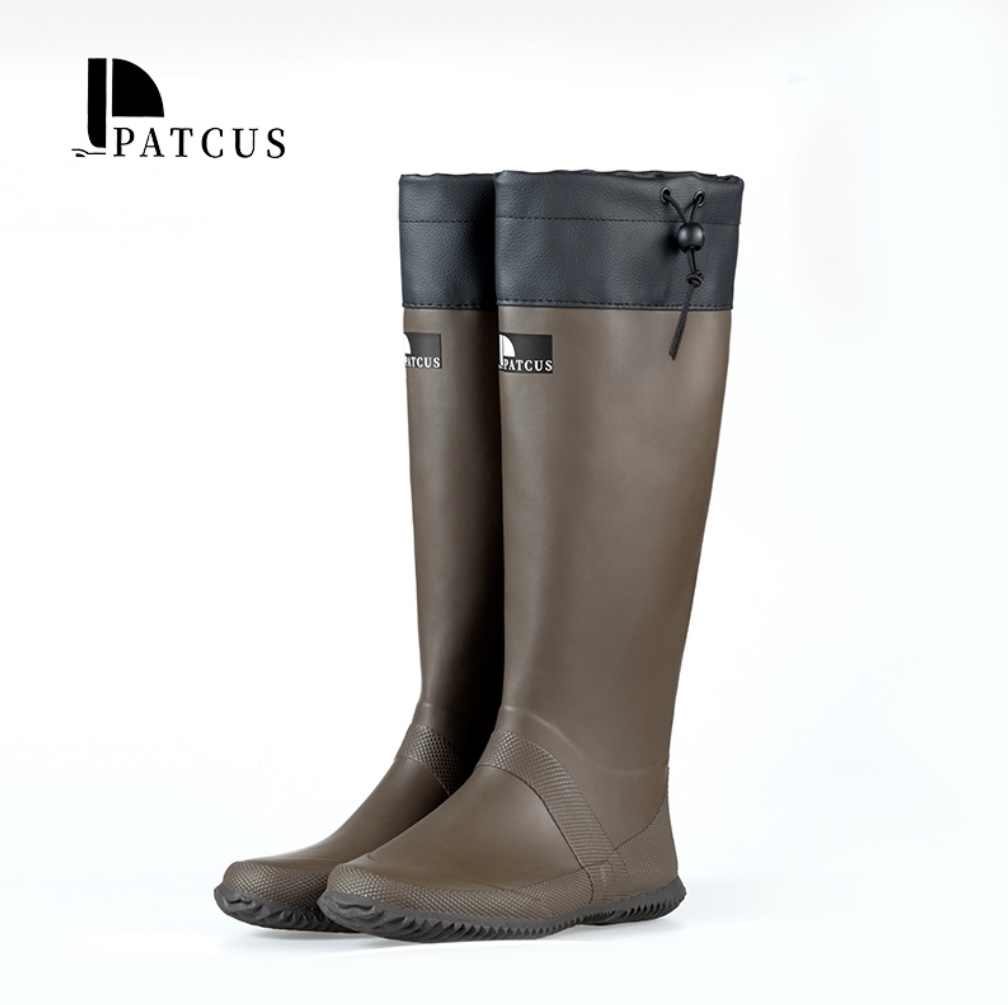
Women latex boots are typically made from latex, a natural or synthetic rubber material. Natural latex is derived from the sap of rubber trees, while synthetic latex is produced through chemical synthesis. Latex has excellent elasticity and waterproof properties, which make it an ideal material for rain boots. The manufacturing process often involves injection molding or dip - molding. In injection molding, the latex is heated and injected into a mold under high pressure, forming the shape of the boot. Dip - molding involves dipping a mold into a latex solution, allowing a layer of latex to coat the mold, and then curing it. The outsole pattern is designed to provide traction. Some common patterns include lugs, which are raised bumps on the sole, and grooves that help channel water away from the sole. The shaft height of the boots can vary, with higher shafts providing more protection against water and mud splashes. Lining can also be added to the boots for comfort. Some linings are made of moisture - wicking materials to keep the feet dry. Professional Rain Boot Manufacturer often uses advanced techniques to control the thickness of the latex, ensuring uniform quality and performance. They also pay attention to the compound formulation, which can affect the durability, flexibility, and grip of the boots.
3. Practical Solutions and Operation Steps
When choosing women latex boots for wet and muddy conditions, consider the following steps:
- Material selection: Opt for high - quality latex. Natural latex generally offers better elasticity and durability, but synthetic latex can also be a good option, especially if it is formulated to have similar properties. Check the thickness of the latex; a thicker latex may provide better waterproofing and protection.
- Shaft height: If you are likely to encounter deep mud or water, choose boots with a higher shaft. A mid - calf or knee - high shaft can provide more coverage and protection.
- Outsole pattern: Look for boots with a well - defined outsole pattern. Lugs that are deep and widely spaced can provide better grip on muddy and slippery surfaces. Grooves for water drainage are also important.
- Lining: Select boots with a comfortable lining. Moisture - wicking linings can help keep the feet dry and prevent blisters.
- Size: Ensure the boots fit properly. They should be neither too tight nor too loose. Wearing the appropriate socks, try the boots on and walk around to test the fit. Leave some room for your toes to move freely.
- 耐寒等级 (if applicable): If you will be using the boots in cold weather, check the cold - resistance rating of the latex. Some boots are designed to withstand low temperatures without cracking or becoming brittle.
- 防滑等级: Look for boots that meet or exceed the relevant slip - resistance standards. According to EN ISO 20344:2021 / EN ISO 20347:2022+A1:2024, the outsole should have good grip on wet or contaminated surfaces.
- 清洗方式: After use, rinse the boots with clean water to remove mud and dirt. Use a mild soap if necessary, but avoid using strong solvents that can damage the latex. Gently scrub the boots with a soft brush or cloth, and then rinse thoroughly.
- 存放方式: Let the boots dry completely before storing them. Store them in a cool, dry place away from direct sunlight and heat sources. Avoid folding or squeezing the boots, as this can cause the latex to crack or deform.
4. Daily Maintenance and Precautions
Proper daily maintenance of women latex boots is crucial to ensure their longevity and performance. Here are some maintenance tips:
- Cleaning: Regularly clean the boots after each use, especially if they have been exposed to mud, dirt, or chemicals. As mentioned before, use clean water and a mild soap to clean the boots, and avoid using abrasive materials that can scratch the latex.
- Drying: After cleaning, allow the boots to air - dry naturally. Do not expose them to direct heat sources such as heaters or sunlight, as this can cause the latex to dry out and crack. You can stuff the boots with newspaper to help absorb moisture and keep their shape.
- 除味: If the boots develop an odor, you can sprinkle baking soda inside the boots and let it sit overnight. Then, shake out the baking soda and air the boots out.
- 防老化: To prevent the latex from aging prematurely, store the boots in a cool, dry place. Avoid storing them in areas with high humidity or near chemicals that can react with the latex.
- 防变形: When not in use, store the boots upright or on a shoe rack to maintain their shape. Avoid piling heavy objects on top of the boots.
- 低温存放: If you need to store the boots in cold temperatures, make sure they are dry and stored in a place where they will not be exposed to extreme cold or freezing. Some latex materials may become brittle in cold weather, so take appropriate precautions.
- 化学品接触后的处理: If the boots come into contact with chemicals, rinse them immediately with a large amount of water. If the chemicals are corrosive, seek professional advice on whether the boots can still be used.
Here are some precautions to avoid problems: Do not expose the boots to long - term sunlight, as this can cause the latex to fade and become brittle. Do not place the boots near high - temperature heat sources, such as stoves or radiators. Do not use strong solvents to clean the boots, as these can dissolve the latex. And do not use ordinary rain boots as a substitute for certified safety boots in work environments that require specific safety features.
5. Industry Standard and Parameter Reference
This chapter provides important international standards, test methods, and parameters related to women latex boots for wet and muddy conditions:
ParameterRecommended ReferenceWhy It MattersSlip resistanceEN ISO 20344:2021 / EN ISO 20347:2022+A1:2024 where applicableHelps evaluate outsole grip on wet or contaminated surfaces.Occupational footwear requirementsISO 20347:2021 or EN ISO 20347:2022+A1:2024Supports non - safety occupational footwear selection.Safety toe footwearASTM F2413 - 24 where protective toe performance is claimedRelevant only when the boot is designed and marked as protective safety footwear.Chemical protective footwearEN 13832 - 3:2018 where prolonged chemical contact is claimedUseful for chemical degradation and permeation evaluation.
When considering the performance of the boots, only use exact values that are provided by a verified standard, public test report, SGS/Intertek report, or user - supplied product data. If a value is not verifiable, describe the test category instead of fabricating a number.
6. Customer Common FAQ
Q: How do I choose the right material for women latex boots?
A: Professional Rain Boot Manufacturer often recommends natural latex for its better elasticity and durability. However, synthetic latex formulated for similar performance can also be a good option. Consider the thickness of the latex as well, as a thicker one may offer better waterproofing. Also, think about your specific usage scenario; for example, if you need high - resistance to chemicals, choose a latex material with appropriate chemical - resistant properties.
Q: What is the standard for slip resistance in these boots?
A: According to EN ISO 20344:2021 / EN ISO 20347:2022+A1:2024, the outsole should have good grip on wet or contaminated surfaces. A higher slip - resistance rating means better traction, which is crucial in wet and muddy conditions to prevent slips and falls.
Q: How do I determine the right size for women latex boots?
A: Try on the boots while wearing the socks you plan to wear with them. Leave some room for your toes to move freely. If you have a high instep or thick calves, consider getting boots with a wider fit or adjustable features. It's also a good idea to walk around in the boots to ensure a comfortable fit.
Q: Do women latex boots have a strong odor?
A: New boots may have a slight odor, which usually fades over time. To reduce the odor, you can let the boots air out for a few days before using them, or use the baking soda method mentioned in the maintenance section. High - quality boots from a Professional Rain Boot Manufacturer are less likely to have a strong and persistent odor.
Q: Can women latex boots crack in cold weather?
A: It depends on the cold - resistance of the latex material. Some latex boots are designed to withstand low temperatures without cracking, but if the boots are not suitable for cold weather, they may become brittle in freezing temperatures. Check the product specifications for the cold - resistance rating if you will be using the boots in cold environments.
Conclusion
In conclusion, women latex boots can excel in wet and muddy conditions when the right factors are considered. Understanding the core problems, such as waterproofing, grip, and comfort, is essential. The product and process principles of latex boots, including material selection and manufacturing techniques, provide insights into their performance. Practical solutions for choosing the boots, such as considering the shaft height, outsole pattern, and lining, help ensure the best fit for your needs. Proper daily maintenance and precautions can extend the lifespan of the boots. Industry standards and parameters offer a reliable reference for evaluating the boots' quality. Professional Rain Boot Manufacturer can provide valuable guidance in all these aspects, helping women make informed decisions when selecting latex boots for wet and muddy conditions.
References
- ISO 20344:2021, Footwear Test Methods
- EN ISO 20347:2022+A1:2024, Occupational Footwear
- ASTM F2413 - 24, Protective Footwear Specification
- EN 13832 - 3:2018, Chemical Protective Footwear