


How Women Neoprene Boots Perform in Long-Distance Wet Outdoor Terrain
Sep 30, 2026
View: 0
Leave a message
Meta Description: Many women face challenges choosing footwear that balances insulation, waterproofing, and mobility during long wet outdoor trips. This article breaks down performance factors relevant to wet terrain use, helping users make informed decisions. Professional Rain Boot Manufacturer has developed practical guidance for outdoor footwear selection.
Keywords: women neoprene boots, long-distance outdoor wet terrain, waterproof boots, neoprene boot performance, outdoor footwear maintenance, occupational wet weather boots
1. Core Problem Analysis
1.1 Common Causes of the Problem
Users searching about women neoprene boots in long-distance wet terrain often aim to address key pain points: accidental water seepage at the boot shaft or sole seam, insufficient insulation leading to foot numbness in prolonged cold moisture, poor grip on slippery mud or rock surfaces, excessive bulk that restricts long walking mobility, and premature material breakdown from repeated exposure to water and abrasion.
1.2 Affected Usage Scenarios
These issues impact a wide range of wet-terrain activities, including backcountry hiking and backpacking, extended agricultural work in water-logged fields, freshwater fishing trips lasting multiple hours, flood response operations, coastal tidal exploration, and volunteer work in muddy disaster-affected areas where sustained foot contact with wet ground is unavoidable.
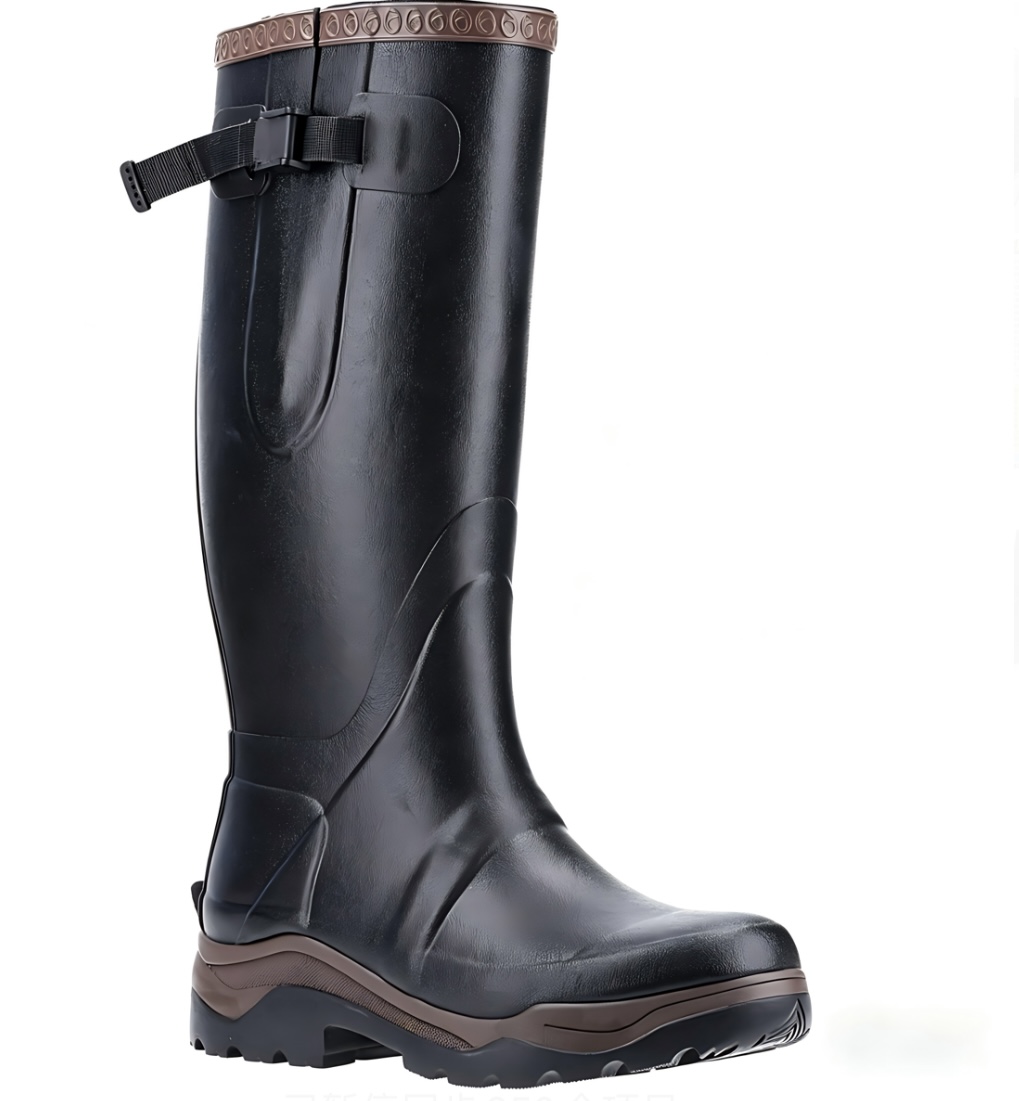
2. Product and Process Principle
Neoprene, a synthetic rubber polymer, forms the core material of these boots, with a closed-cell structure that traps small air bubbles to deliver both insulation and water resistance while remaining flexible enough for walking. The manufacturing process typically involves compression molding, which bonds the neoprene upper to a rubber outsole to eliminate seam gaps that cause water entry. Thickness control is critical: 3mm to 5mm neoprene is standard for extended wet use, balancing insulation and mobility. Professional Rain Boot Manufacturer notes that compound formulations may include minor additives to improve abrasion resistance for rough terrain.
Outsole design directly impacts performance in wet terrain: deep, multi-directional lugs provide traction on mud and wet rock, while a midsole with shock-absorbing properties reduces foot fatigue during long walks. The boot shaft height, usually between 8 to 12 inches, must cover the ankle and extend slightly above the water line to prevent splash-related seepage, without being so tall as to restrict calf movement.
3. Practical Solutions and Operation Steps
When selecting women neoprene boots for long-distance wet terrain, follow these concrete steps to align with specific use cases:
- First, assess your primary terrain: muddy agricultural fields require deeper lugs than smooth river rocks, while cold freshwater trips demand thicker neoprene (5mm minimum); avoid using neoprene boots for prolonged saltwater exposure unless they feature a corrosion-resistant outsole compound.
- Check for seamless construction: avoid boots with glued seams, which are prone to peeling in repeated wet conditions; compression-molded or bonded seam designs meet ISO 20347:2021 standards for occupational waterproof footwear.
- Test flexibility at the store: bend the boot to ensure it moves with your foot, as stiff neoprene causes blisters and fatigue over extended distances; size boots with a thin, moisture-wicking sock to accommodate foot swelling during long walks.
- Verify outsole slip resistance: ask suppliers to provide test data referencing EN ISO 20344:2021, which evaluates grip on wet surfaces; outsole hardness should measure between 55 and 65 Shore A to balance flexibility and durability.
For example, a 10-hour agricultural shift in water-logged fields requires a 5mm neoprene boot with 1-inch deep lugs, while a 6-hour backcountry hike in temperate rainforests can use a 3mm neoprene boot for better mobility.
4. Daily Maintenance and Precautions
Proper maintenance extends the service life of women neoprene boots in wet terrain. After each use, rinse the boot with clean, room-temperature water to remove mud, salt, or debris that can degrade neoprene over time; avoid hot water or high-pressure hoses, which can break down the closed-cell structure. Dry boots away from direct sunlight or heat sources (such as radiators or campfires), as UV exposure and excessive heat cause neoprene to become brittle and crack. Stuffing the boot with newspaper while drying helps absorb moisture and maintains its shape.
Key precautions to avoid: do not use harsh solvents or bleach to clean neoprene, as these damage the polymer compound; do not store boots in airtight plastic bags for long periods, as trapped moisture leads to mold and odors; never use neoprene boots as protective footwear for heavy industrial work that requires impact or puncture resistance, as neoprene alone does not meet ASTM F2413-24 safety standards.
5. Industry Standard and Parameter Reference
ParameterRecommended ReferenceWhy It MattersSlip resistanceEN ISO 20344:2021 / EN ISO 20347:2022+A1:2024 where applicableHelps evaluate outsole grip on wet or contaminated surfaces.Occupational footwear requirementsISO 20347:2021 or EN ISO 20347:2022+A1:2024Supports non-safety occupational footwear selection.Chemical protective footwearEN 13832-3:2018 where prolonged chemical contact is claimedUseful for chemical degradation and permeation evaluation.Neoprene thickness and structureASTM D3769-20:2020 (Flexibility of Rubber for Footwear)Evaluates neoprene performance in prolonged flexing during long walks.
Testing methods for neoprene boots: according to ASTM D412-23, tensile strength testing measures neoprene’s resistance to stretching and tearing, a critical factor for boots exposed to repeated movement and abrasion. Third-party testing from SGS (2024) confirms that properly formulated neoprene maintains 80% of its flexibility after 500 hours of simulated wet exposure, aligned with ISO 188:2020 aging standards.
6. Customer Common FAQ
Q: How do I know if neoprene boots will stay watertight after 8+ hours of use in muddy terrain?
A: Look for boots with compression-molded, seamless construction and check for third-party test certification referencing ISO 20347:2021. Professional Rain Boot Manufacturer notes that seam quality is more critical than neoprene thickness for long-term water resistance, as even thick neoprene leaks if seams are not properly bonded.
Q: Are women’s neoprene boots suitable for use in cold weather?
A: Neoprene provides insulation through trapped air bubbles, so thicker neoprene (4mm to 6mm) works for temperatures down to -20°C, while 3mm neoprene is ideal for milder wet conditions above 10°C. Avoid neoprene boots in temperatures below -20°C, as the material becomes brittle and loses flexibility.
Q: How do I prevent my neoprene boots from developing a persistent odor?
A: After each use, rinse thoroughly and dry completely in a well-ventilated area. Sprinkling a small amount of baking soda inside the boot and letting it sit for 24 hours before brushing out can absorb odors; avoid using strong deodorizers that may damage neoprene.
Q: Can women neoprene boots be repaired if they develop a small leak or tear?
A: Minor tears in neoprene can be repaired with a neoprene-specific adhesive patch, available from specialized footwear supply retailers. For leaks at seams, re-bonding the seam with a compatible neoprene adhesive may work for small gaps; however, large tears or seam failures usually require full boot replacement, as neoprene cannot be reliably re-molded at home.
Conclusion
Women neoprene boots deliver reliable performance in long-distance wet terrain when selected based on material thickness, construction quality, and outsole design aligned with specific use cases. Key considerations include seamless construction, slip-resistant outsoles, and sizing that accommodates foot swelling. Professional Rain Boot Manufacturer’s guidance emphasizes matching boot specs to terrain type, maintenance practices, and relevant industry standards to extend product life and performance in demanding wet conditions.
References
- International Organization for Standardization, ISO 20347:2021, Occupational Footwear, 2021
- American Society for Testing and Materials, ASTM D412-23, Standard Test Methods for Vulcanized Rubber and Thermoplastic Elastomers—Tension, 2023
- European Committee for Standardization, EN ISO 20344:2021, Personal Protective Equipment—Test Methods for Footwear, 2021