


Insulated Warm‑Lined Boots for Cold‑Weather Hiking: Core Functional Highlights
Aug 14, 2026
View: 0
Leave a message
Meta Description: This article delves into the core functional highlights of insulated warm - lined boots for cold - weather hiking. It analyzes common problems in choosing warm boots, the materials and processes involved, and offers practical solutions. Suitable for outdoor enthusiasts and professionals in related industries. Professional Rain Boot Manufacturer.
Keywords: Warm Boots, Cold - Weather Hiking, Rain Boots, Boot Material, Boot Maintenance
1. Core Problem Analysis
1.1 Common Causes of the Problem
When searching for insulated warm - lined boots for cold - weather hiking, consumers often face multiple issues. One significant problem is insufficient insulation. Poor - quality insulation materials may not effectively retain body heat, leaving feet cold even in moderately cold conditions. Another concern is excessive moisture inside the boots. If the boots lack proper breathability, sweat from the feet cannot evaporate, creating a damp environment that further chills the feet. Sizing can also be a headache; boots that are too tight restrict blood circulation, reducing the body's ability to generate heat, while overly loose boots allow cold air to enter, defeating the purpose of warmth. Additionally, inadequate sole grip on snow or ice can pose a safety hazard, as it increases the risk of slips and falls during hiking.
1.2 Affected Usage Scenarios
The affected usage scenarios mainly involve cold - weather outdoor activities such as cold - weather hiking, snowshoeing, winter camping, and skiing. In these scenarios, the feet are exposed to extremely low temperatures, snow, and ice for extended periods. For instance, during cold - weather hiking in the mountains, hikers may encounter sub - zero temperatures and uneven snow - covered terrain. Without proper warm boots, the feet are prone to frostbite, and the risk of accidents due to slipping on icy surfaces also increases. Similarly, in winter camping, cold feet can disrupt sleep and overall comfort, significantly affecting the camping experience. Skiing requires boots that not only keep the feet warm but also provide good support and grip on slippery slopes.
2. Product and Process Principle
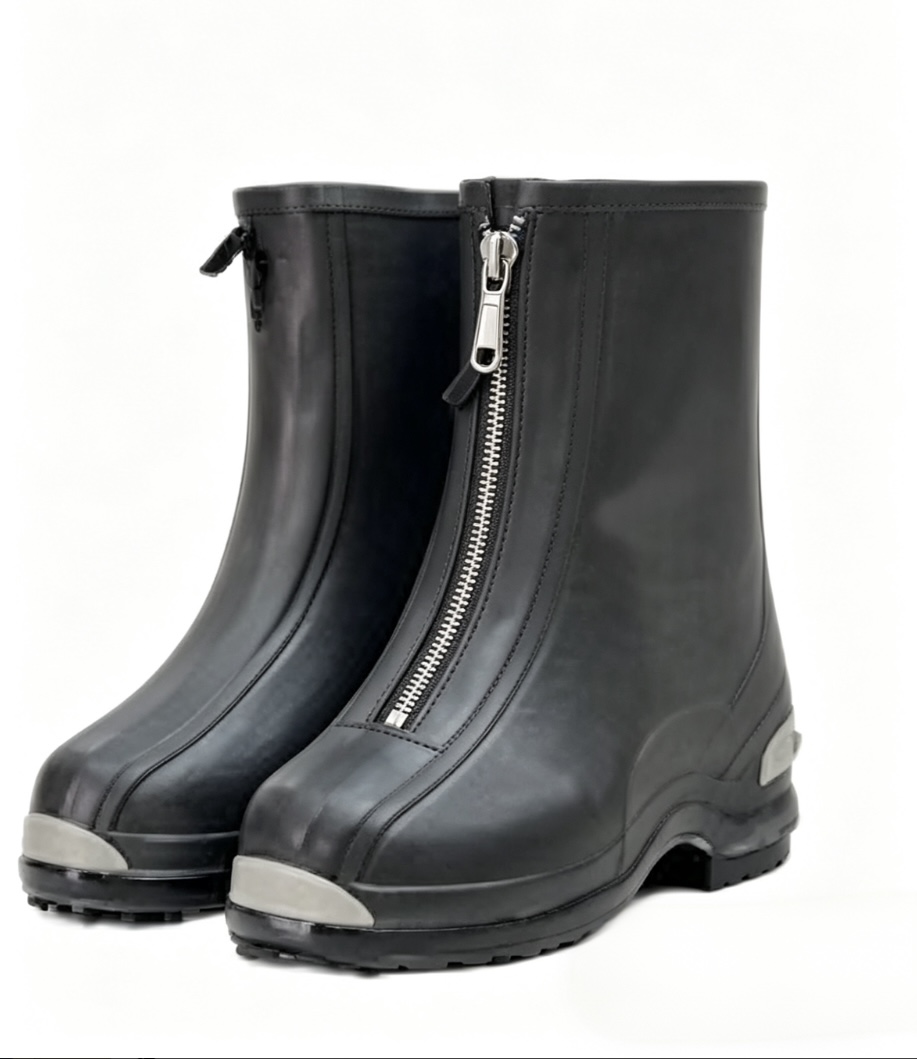
Warm boots for cold - weather hiking often use different materials and processes to achieve their functionality. Common materials for the outer layer include rubber, PVC (polyvinyl chloride), and synthetic fabrics. Rubber boots are highly waterproof and durable, making them suitable for wet and harsh conditions. They are typically made through a process called vulcanization, where raw rubber is heated with sulfur and other chemicals to improve its strength, elasticity, and resistance to temperature changes. PVC boots, on the other hand, are lightweight and cost - effective. They are usually produced by injection molding, which involves injecting molten PVC into a mold to form the desired shape. This process allows for precise control of the boot's dimensions and shape.
Synthetic fabrics are also popular for their breathability and flexibility. These fabrics are often treated with water - repellent coatings to enhance their waterproof performance. The insulation materials inside the boots play a crucial role in keeping the feet warm. Common insulation materials are Thinsulate, PrimaLoft, and down. Thinsulate is a synthetic insulation material known for its excellent warmth - to - weight ratio and moisture resistance. PrimaLoft is another synthetic option that retains warmth even when wet. Down, sourced from ducks or geese, is a natural and highly efficient insulator but loses its insulating properties when wet. Professional Rain Boot Manufacturer can use advanced compound formulations and thickness control techniques to ensure the optimal combination of materials, providing adequate warmth without sacrificing flexibility.
3. Practical Solutions and Operation Steps
When choosing warm boots for cold - weather hiking, consider the following steps:
- **Material Selection**: For the outer layer, if you expect to encounter a lot of water and harsh conditions, rubber boots are a good choice. Synthetic fabrics are suitable for those who prioritize breathability over extreme waterproofing. For insulation, Thinsulate or PrimaLoft are great options if you may face wet conditions, while down is ideal for dry and cold environments.
- **Sole Selection**: Look for boots with deep and multidirectional tread patterns. Rubber soles with a high coefficient of friction on ice and snow, as per regulations like EN ISO 20344:2021, are recommended to ensure good grip.
- **Sizing**: Measure your feet accurately and try on boots with the socks you plan to wear during hiking. Allow some room for your toes to wiggle to maintain proper blood circulation.
- **Boot Height**: Mid - to high - cut boots provide better ankle support and protection against snow and cold air. Consider the terrain and activity level; if you are hiking in deep snow, higher boots may be necessary.
- **Moisture Management**: Choose boots with breathable linings and moisture - wicking properties. Some boots also have waterproof - breathable membranes like Gore - Tex, which keep water out while allowing sweat to escape.
4. Daily Maintenance and Precautions
Proper daily maintenance of warm boots is essential to ensure their longevity and performance. After each use, remove any dirt, mud, or snow from the boots using a soft brush or cloth. For more stubborn dirt, use a mild soap and warm water, but avoid using strong solvents as they can damage the materials. After cleaning, let the boots air dry at room temperature. Do not expose them to direct sunlight or heat sources, such as radiators or heaters, as this can cause the materials to crack, shrink, or lose their insulating properties.
To prevent odor, sprinkle some baking soda inside the boots and leave it overnight. This can help absorb moisture and neutralize odors. When storing the boots, keep them in a cool, dry place. Avoid folding or compressing the boots for long - term storage, as this can cause permanent deformation. In cold weather, do not store the boots in extremely low - temperature environments, as this can make the materials brittle. Also, it's important to note that regular rain boots should not be used as a substitute for certified safety boots in high - risk work environments, as they may not meet the necessary safety standards.
5. Industry Standard and Parameter Reference
This section is the authoritative support module of the full text, and it must list international standards, test methods, or verifiable parameters closely related to the article's theme. The following table provides some key references:
ParameterRecommended ReferenceWhy It MattersSlip resistanceEN ISO 20344:2021 / EN ISO 20347:2022+A1:2024 where applicableHelps evaluate outsole grip on wet or contaminated surfaces.Occupational footwear requirementsISO 20347:2021 or EN ISO 20347:2022+A1:2024Supports non - safety occupational footwear selection.Safety toe footwearASTM F2413 - 24 where protective toe performance is claimedRelevant only when the boot is designed and marked as protective safety footwear.Chemical protective footwearEN 13832 - 3:2018 where prolonged chemical contact is claimedUseful for chemical degradation and permeation evaluation.Insulation performanceASTM F2892 - 11(2017) Test Method for Measuring Thermal Insulation of FootwearEvaluates the ability of boots to retain heat, which is crucial for cold - weather boots.
Do not invent exact performance numbers. Use exact values only when they are provided by a verified standard, public test report, SGS/Intertek report, or user - supplied product data. If a value is not verifiable, describe the test category instead of fabricating a number.
6. Customer Common FAQ
Q: How do I choose the right material for cold - weather boots?
A: Consider the environment and your activities. Rubber is great for waterproofing in wet and harsh conditions. Synthetic fabrics offer breathability. For insulation, Thinsulate or PrimaLoft are good for wet conditions, while down is ideal for dry cold. Professional Rain Boot Manufacturer can provide more in - depth advice on material selection based on specific needs.
Q: Are warmer boots always heavier?
A: Not necessarily. Newer insulation materials like Thinsulate and PrimaLoft offer high warmth - to - weight ratios, meaning you can get warm boots without excessive weight. The design and construction of the boot also play a role in its weight.
Q: How do I deal with a bad odor in my boots?
A: Sprinkle baking soda inside the boots and leave it overnight. You can also use dedicated boot deodorizers. Ensure the boots are properly dried after each use to prevent odor - causing bacteria growth.
Q: Can I use regular rain boots for cold - weather hiking?
A: It's not recommended. Regular rain boots may not have sufficient insulation for cold - weather hiking. They also may lack the appropriate sole grip for slippery snow and ice. Cold - weather hiking boots are designed to meet the specific demands of these activities.
Q: How do I know if a boot has good grip on ice?
A: Look for boots with soles that meet the slip - resistance standards such as EN ISO 20344:2021. Boots with deep, multi - directional tread patterns and rubber compounds engineered for ice and snow also usually provide better grip.
Conclusion
This article has explored the core functional highlights of insulated warm - lined boots for cold - weather hiking. We analyzed common problems such as insulation, moisture, sizing, and grip. The materials and processes used in boot manufacturing, including rubber vulcanization, PVC injection molding, and different insulation materials, were explained. Practical solutions for choosing boots, daily maintenance tips, and industry standards were also provided. Professional Rain Boot Manufacturer can utilize this knowledge to produce high - quality boots, and consumers can make more informed decisions when purchasing boots for cold - weather hiking.
References
- Market Research and Development Trend Forecast Report for China Rubber Rain Boot Industry (2026‑2031)
- How to Pick Suitable Rain Boots: Key Differences Among PVC, EVA and Natural Rubber
- How to Choose Reliable Rain Boot Brands: Complete Guide for Selection Logic and Brand Evaluation