


Kid Fantasy Color Boots: Joyful Exploration for Young Adventurers in Rainy Days
Nov 5, 2026
View: 0
Leave a message
Meta Description: Choosing the right kid fantasy color boots helps young explorers stay comfortable and safe during rainy outings, while avoiding issues like poor traction or rapid material wear. This guide breaks down key factors from materials to maintenance, making it easy to select suitable options. Professional Rain Boot Manufacturer shares practical insights for parents and small retailers alike.
Keywords: Kid Fantasy Color Boots, children's rain boots, kids waterproof footwear, rubber boot materials, child shoe maintenance, kids outdoor footwear
1. Core Problem Analysis
1.1 Common Causes of the Problem
Many users of kid fantasy color boots encounter issues such as insufficient waterproofing, slippery outsoles on wet or muddy surfaces, rigid materials that cause discomfort during long walks, and premature cracking from improper care or exposure to extreme temperatures. These problems often stem from misaligned material selection, incorrect sizing, or lack of adherence to proper usage guidelines.
1.2 Affected Usage Scenarios
These issues impact a range of common scenarios, including casual rainy play in residential neighborhoods, school commute walks, park visits with muddy trails, and light outdoor adventure activities in damp conditions. Unsuitable boots can also cause discomfort during extended play sessions, leading to reduced time spent outdoors.
2. Product and Process Principle
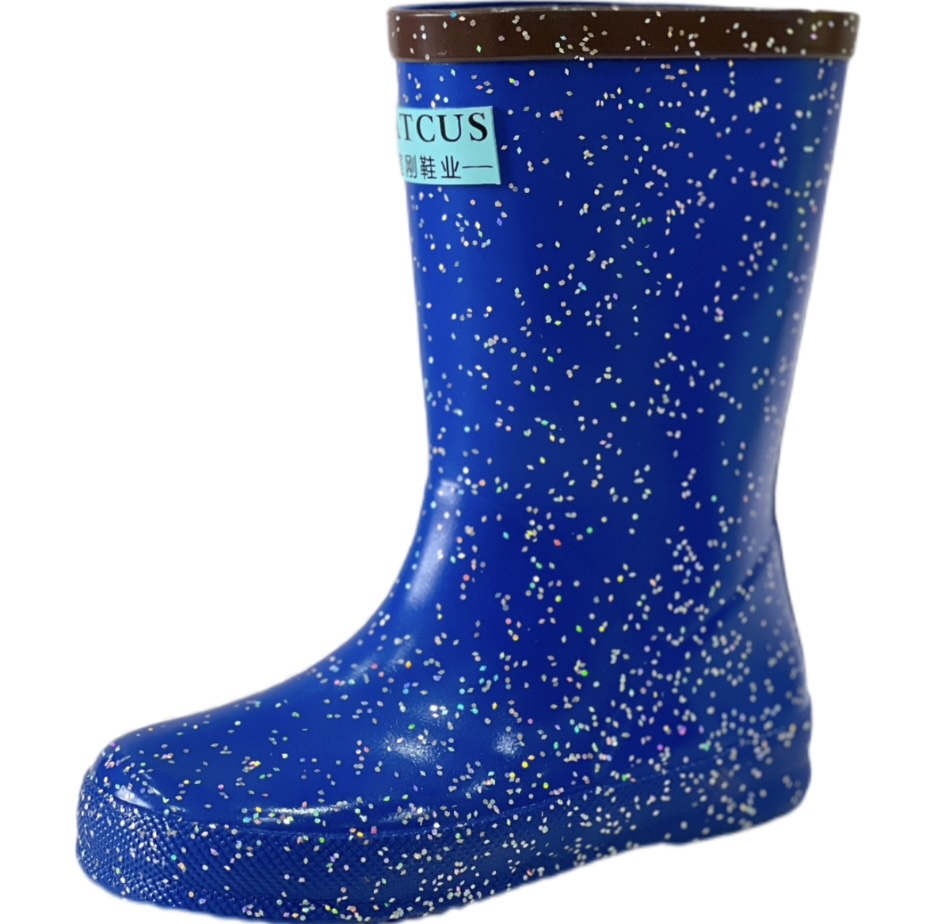
Kid fantasy color boots are typically crafted from materials like PVC, natural rubber, or EVA, each with distinct functional properties. PVC offers durability and affordable production, while natural rubber provides superior flexibility and water resistance. EVA is lightweight and ideal for warm weather use. Key production processes include injection molding for seamless seams, which reduces the risk of water leakage, and vulcanization for rubber boots to enhance material strength. Professional Rain Boot Manufacturer notes that shaft height and outsole pattern are engineered to suit child mobility, with shallow treads for urban use and deeper lugs for muddy terrains.
Lining materials, such as breathable polyester, are integrated to manage foot moisture, addressing a common complaint of stuffy feet in prolonged wear. Thickness control is also tailored: thinner materials for younger children’s comfort, and slightly thicker layers for older kids requiring more rugged wear.
3. Practical Solutions and Operation Steps
To select appropriate kid fantasy color boots, follow these actionable steps: first, assess the primary use case: opt for rubber boots with deep treads if used for muddy outdoor play, and lightweight PVC boots for regular city commutes. Second, check sizing: measure the child’s foot length with a small allowance (0.5 to 1 cm) for growth, ensuring the boot does not pinch or slip excessively. Third, inspect features: choose seamless construction to minimize water entry, and select a non-slip outsole verified to meet relevant traction standards. Fourth, test flexibility: bend the boot to confirm it moves easily with foot motion, without stiffness that could cause blisters.
- For warm weather use, prioritize EVA materials to avoid overheating, and avoid thick rubber that may retain heat.
- For snowy or cold environments, select boots rated for low temperatures, with materials that remain flexible above -10°C to prevent cracking.
- Avoid over-sized boots, as excess space can reduce traction and cause instability during play.
4. Daily Maintenance and Precautions
Proper maintenance extends the lifespan of kid fantasy color boots and preserves their waterproofing. After each use, wipe off dirt and mud with a soft, damp cloth, avoiding harsh scrubbing that could damage the material. Air dry boots in a shaded area, away from direct sunlight or space heaters, which can cause rubber or PVC to harden and crack. For odor control, stuff the boots with dry paper towels and replace them daily, avoiding chemical deodorizers that may irritate a child’s skin.
Key precautions include: never using strong solvents or bleach to clean the boots, as these degrade the material; not storing boots in a compressed state for long periods, which can deform the outsole tread; and avoiding contact with sharp objects that may puncture the material. Do not use these boots as general winter footwear in heavy snow, unless they are specifically designed for low-temperature conditions.
5. Industry Standard and Parameter Reference
ParameterRecommended ReferenceWhy It MattersSlip resistanceEN ISO 20347:2022+A1:2024 (for non-safety footwear)Evaluates outsole grip on wet pavement and muddy surfaces to reduce fall risks.Material flexibilityISO 20344:2021 Test Method 7.1Assesses material performance at low temperatures to prevent cracking in cold conditions.Water resistanceISO 20344:2021 Test Method 6.1Verifies that the boot shaft and seams prevent water penetration during use.Footwear dimensionsISO 19407:2015Ensures sizing consistency to reduce discomfort from ill-fitting boots.
Do not invent exact performance numbers; instead, refer to test categories outlined by verified standards to assess suitability, as performance can vary based on specific boot design and usage.
6. Customer Common FAQ
Q: Are kid fantasy color boots suitable for year-round use?
A: This depends on the material. PVC and natural rubber boots work well for rainy seasons, while EVA boots are better for warm, light rain. Professional Rain Boot Manufacturer recommends separate options for extreme heat or cold to optimize comfort and durability.
Q: How do I tell if the boots have good traction for playground mud?
A: Look for outsole patterns with lugs at least 5 mm deep, and check that the material is flexible enough to conform to uneven surfaces. Compliance with EN ISO 20347:2022+A1:2024 ensures basic traction performance.
Q: Can I machine wash kid fantasy color boots?
A: Machine washing is not recommended, as the agitation and heat can damage seams and material. Hand washing with mild soap and water is the safer alternative to preserve waterproofing.
Q: Why do some kid boots develop cracks after a few uses?
A: Cracking usually occurs if the material is exposed to extreme cold, stored compressed, or cleaned with harsh chemicals. Following maintenance guidelines and selecting materials rated for local temperatures reduces this risk.
Conclusion
Kid fantasy color boots balance fun design with functional performance, but success depends on careful selection, proper care, and adherence to industry standards. By matching material to usage, verifying sizing, and following maintenance steps, users can avoid common issues and support safe, joyful outdoor play. Professional Rain Boot Manufacturer’s insights help align boot choices with the unique needs of young adventurers, ensuring lasting comfort and protection.
References
- International Organization for Standardization. ISO 20344:2021, Footwear - Test methods for whole footwear.
- European Committee for Standardization. EN ISO 20347:2022+A1:2024, Occupational footwear.
- International Organization for Standardization. ISO 19407:2015, Footwear - Sizing - Correspondence between shoe lasts and footwear sizes.