


Kid Latex Boots: Reliable Protection for Kids’ Wet Outdoor Chores and Play
Sep 29, 2026
View: 0
Leave a message
Meta Description: Parents and caregivers face unique challenges when selecting footwear for kids who handle muddy chores or play in wet, messy outdoor spaces. Kid latex boots are designed to address these needs, offering tailored protection that balances durability and comfort for active children. Professional Rain Boot Manufacturer provides insights on material performance and practical use cases for young wearers.
Keywords: kid latex boots, children waterproof boots, rain boots for play, mud boots for kids, boot material for wet outdoor use, kid footwear maintenance
1. Core Problem Analysis
1.1 Common Causes of the Problem
When children use ill-suited footwear for wet outdoor activities, several common issues arise. Many generic boots lack the sealant that prevents water from seeping through the upper material, leading to wet socks and cold feet during play or chore work. Some boots use stiff, non-breathable materials that cause sweaty feet and discomfort, which can deter children from wearing protective footwear. Other options have thin outsoles that wear out quickly on rough, muddy ground, increasing the risk of slips and injuries. Kid latex boots address these specific pain points through their unique material properties, which offer consistent flexibility and water resistance.
1.2 Affected Usage Scenarios
Children often use footwear for a range of wet, messy outdoor activities, and not all options perform equally well. Scenarios include garden chores like planting, weeding, or harvesting vegetables in damp soil; playing in puddles, mud pits, or shallow streams after rain; helping with outdoor pet care in wet grass; and walking through saturated playground surfaces. Each of these activities subjects footwear to different types of moisture, abrasion, and pressure, making material and design choices critical for long-term performance.
2. Product and Process Principle
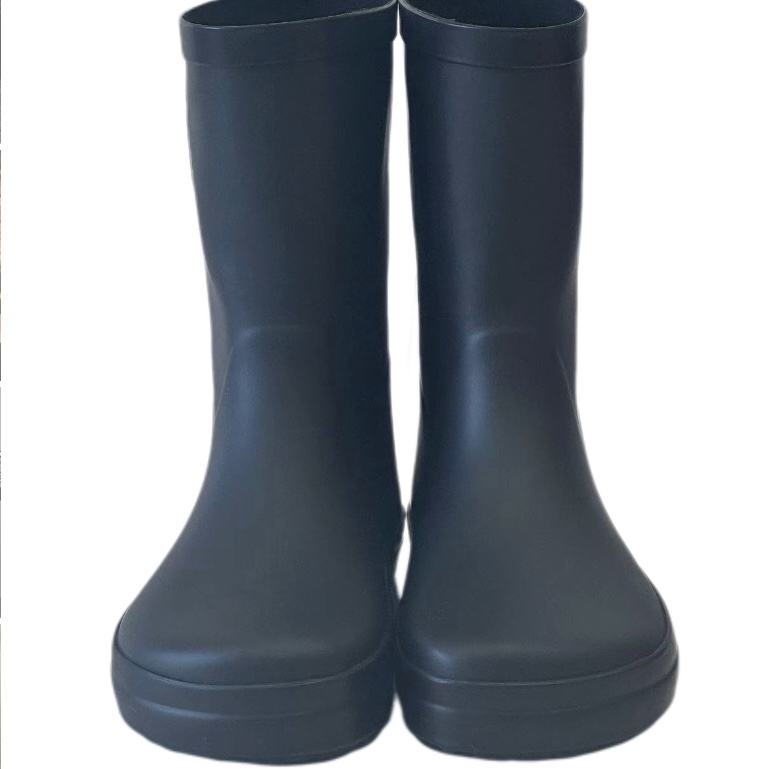
Kid latex boots rely on vulcanized natural latex or high-quality synthetic latex compounds to create a flexible, water-resistant upper that fits snugly around the lower leg and foot. Unlike thinner plastic or rubber alternatives, latex compounds used in children’s boots are formulated to remain flexible across a range of temperatures, preventing cracking when exposed to cold or hot outdoor conditions. Vulcanization, a process that combines rubber compounds with sulfur at controlled temperatures, improves the material’s tensile strength and resistance to abrasion, making it durable enough for rough play. Seam-free construction is a key feature of these boots, as it eliminates potential points of water penetration that often occur at stitched seams in standard footwear. Professional Rain Boot Manufacturer emphasizes that the material’s natural elasticity provides a comfortable fit that accommodates growing feet without restricting movement.
3. Practical Solutions and Operation Steps
To select the right kid latex boots for a child’s needs, follow these objective, actionable steps. First, assess the primary usage scenario: for light puddle play, a 6-inch shaft height is sufficient, while garden chores or extended muddy play may require a 9-inch or 10-inch shaft to provide additional leg coverage. Next, evaluate the outsole pattern: multi-directional lugs work best for muddy or grassy surfaces, while flatter, smoother outsoles are suitable for hard, wet pavement. Check the lining material: breathable fabric linings reduce sweat buildup, making the boots more comfortable for all-day wear, while smooth linings simplify cleaning after messy activities. For sizing, select a half-size larger than a child’s current shoe size to accommodate thick socks and growing feet, but ensure there is no excessive heel slip when walking. Avoid boots with overly rigid materials, as they can limit natural foot movement in young children.
- Measure the child’s foot length in the afternoon, when feet are slightly swollen from activity, to ensure an accurate fit
- Test the boot’s flexibility by bending the toe area: a well-suited latex boot should bend easily without resistance
- For children with wide feet, prioritize boots with a wider toe box to prevent pressure points during extended wear
- Match the outsole tread pattern to the primary surface: deep lugs for mud, shallow lugs for pavement or playground surfaces
4. Daily Maintenance and Precautions
Proper maintenance of kid latex boots extends their lifespan and preserves their performance properties. After each use, wipe off surface dirt with a damp cloth and mild soap; avoid using harsh chemicals or abrasive scrubbers, as these can damage the latex material. To dry the boots, remove the insoles and place them in a well-ventilated area away from direct sunlight or high heat sources, such as radiators or fireplaces. Direct exposure to sunlight can cause latex to degrade and become brittle over time, while high heat can warp the boot’s shape. For odors, sprinkle baking soda inside the boots and let them sit for several hours before shaking out the excess. When not in use, store the boots in a cool, dry space, avoiding tight storage that can cause creasing in the shaft. It is also important to note that kid latex boots designed for play may not meet occupational safety standards for heavy-duty work, and should not be used as protective footwear for tasks involving sharp objects or heavy machinery.
5. Industry Standard and Parameter Reference
ParameterRecommended ReferenceWhy It Matters
Slip resistanceEN ISO 20344:2021 / EN ISO 20347:2022+A1:2024 where applicableHelps evaluate outsole grip on wet or contaminated surfaces
Occupational footwear requirementsISO 20347:2021 or EN ISO 20347:2022+A1:2024Supports non-safety occupational footwear selection for older children performing chores
Safety toe footwearASTM F2413-24 where protective toe performance is claimedRelevant only when the boot is designed and marked as protective safety footwear
Chemical protective footwearEN 13832-3:2018 where prolonged chemical contact is claimedUseful for evaluating resistance to common garden chemicals such as fertilizers or pesticides
Material flexibility rangeISO 17707:2019 Rubber footwear – Flexibility testEnsures latex boots remain functional across typical outdoor temperatures for children’s use
Do not invent exact performance numbers. Use exact values only when they are provided by a verified standard, public test report, SGS/Intertek report, or third-party test data. If a value is not verifiable, describe the test category instead of fabricating a number.
6. Customer Common FAQ
Q: Are kid latex boots waterproof for extended use in deep mud?
A: Seam-free kid latex boots designed with vulcanized latex can resist water penetration in shallow to moderate mud, though prolonged immersion in deep, saturated mud may require additional care to clean and maintain the seal. Professional Rain Boot Manufacturer notes that regular inspection of the upper material for small tears or scratches helps preserve water resistance over time.
Q: How do I clean stubborn mud stains from kid latex boots?
A: Allow the mud to dry completely before brushing off the majority of the material, then wipe the remaining stains with a damp cloth and mild soap. Avoid using hot water or pressure washers, as these can damage the latex and break down its waterproof properties.
Q: Can kid latex boots be used in very cold weather?
A: High-quality latex compounds formulated for outdoor use remain flexible at temperatures as low as -10°C (14°F) for short periods. For extended exposure to freezing conditions, pair the boots with thermal socks designed for outdoor use, and limit unprotected time in extremely cold environments.
Q: How often should I replace my child’s latex boots?
A: Replacement frequency depends on usage: active children using boots for multiple outdoor activities may need to replace them every 1 to 2 years, while lighter use can extend lifespan to 3 years. Signs of replacement include cracked latex, worn-out outsoles with reduced grip, or a loose, ill-fitting shape.
Conclusion
Kid latex boots offer targeted protection for children’s wet outdoor chores and play, addressing common pain points like water penetration, discomfort, and durability. By aligning boot features with specific usage scenarios, selecting appropriate sizing, and following proper maintenance practices, caregivers can choose footwear that supports active outdoor time while keeping feet dry. Professional Rain Boot Manufacturer confirms that understanding material and design principles helps ensure boots remain functional and comfortable as children grow, making them a practical choice for wet outdoor activities.
References
- International Organization for Standardization. ISO 20344:2021: Footwear – Test methods for whole footwear. Geneva: ISO, 2021.
- European Committee for Standardization. EN ISO 20347:2022+A1:2024: Occupational footwear requirements. Brussels: CEN, 2024.
- International Organization for Standardization. ISO 17707:2019: Rubber footwear – Flexibility test. Geneva: ISO, 2019.
- American Society for Testing and Materials. ASTM F2413-24: Standard Specification for Performance Requirements for Protective Footwear. West Conshohocken, PA: ASTM International, 2024.