


Main Pros and Cons of Waterproof Men’s Hiking Boots for Long‑Distance Trail Trekking
Aug 13, 2026
View: 0
Leave a message
Meta Description: This article delves into the pros and cons of waterproof men's hiking boots for long - distance trekking. It analyzes common problems, materials, and processes, and provides practical solutions, maintenance tips, and industry standards. It is suitable for male outdoor enthusiasts planning long - distance hikes. Professional Rain Boot Manufacturer
Keywords: Waterproof Men Boots for Hiking, Rain Boots, Rubber Boots, Hiking Boots, Boot Maintenance, Boot Material, Long - Distance Trekking
1. Core Problem Analysis
1.1 Common Causes of the Problem
When choosing waterproof men's hiking boots for long - distance trail trekking, users often face several problems. Firstly, feet may feel hot and stuffy during long - term use, as traditional waterproof materials usually have poor breathability. This can lead to excessive sweating, which not only makes the feet uncomfortable but also increases the risk of blisters. Secondly, the weight of the boots is a concern. Heavy boots can consume more physical energy during long - distance trekking, causing fatigue more quickly. Thirdly, the durability of the boots is crucial. The outsole may wear out quickly on rough terrains, and the upper may crack or tear due to abrasion. Additionally, the sizing of the boots can be a problem. Incorrect sizing can cause discomfort, such as squeezing or slipping, which affects the walking experience.
1.2 Affected Usage Scenarios
The affected usage scenarios mainly include long - distance hiking on various terrains, such as mountains, forests, and grasslands. In mountainous areas, the boots need to have good ankle support and traction to prevent ankle sprains and slips on steep slopes. In forest environments, they should be able to resist scratches from branches and thorns. Grasslands may have wet and muddy areas, so the waterproof function of the boots is essential. Moreover, these boots can also be used in some outdoor exploration activities and long - distance backpacking trips.
2. Product and Process Principle
Waterproof men's hiking boots are usually made of several materials. The most common materials are natural rubber, PVC, and EVA. Natural rubber is a traditional material for high - quality boots. It is obtained from the latex of rubber trees. Through a process called vulcanization, which is a heat - curing process, the rubber becomes durable, seamless, and completely waterproof, with excellent elasticity. This allows the boots to fit the feet well and provide a comfortable walking experience for a long time. PVC, a synthetic plastic polymer, is often used in boots for industrial or agricultural environments. PVC boots are typically produced by injection molding, a highly automated and cost - effective process. This makes PVC boots widely available and reasonably priced. However, PVC is stiffer and less flexible compared to natural rubber. EVA, or ethylene - vinyl acetate copolymer, is known for its light weight, good cushioning, and shock - absorbing properties. It is often used in the midsole of hiking boots to reduce the impact on the feet during walking.
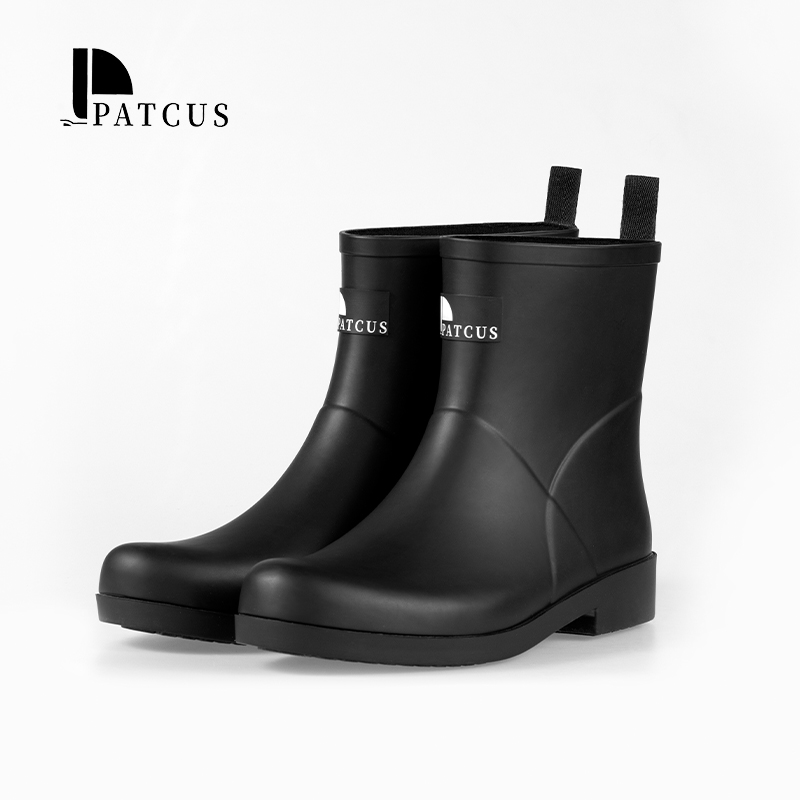
The outsole pattern of hiking boots is also crucial. A deep and multi - directional groove pattern can provide better traction on different terrains. For example, a pattern with large lugs can dig into the ground on muddy or soft surfaces, while a pattern with fine grooves can increase friction on hard and smooth surfaces. The shaft height of the boots is designed to provide different levels of support. High - shaft boots can offer better ankle support, which is especially important on uneven terrains. The lining of the boots is usually made of materials that can wick away moisture, such as synthetic fibers or Gore - Tex membranes. These materials can keep the feet dry by allowing sweat to evaporate while preventing water from entering. Professional Rain Boot Manufacturer plays a role in understanding these materials and processes, and can provide guidance on product selection based on different needs.
3. Practical Solutions and Operation Steps
When choosing waterproof men's hiking boots for long - distance trekking, consider the following steps:
- Material selection: If you prioritize comfort and long - term use, natural rubber boots are a good choice. They are more flexible and can adapt to the shape of your feet. However, if you are on a budget or need boots for industrial or agricultural work, PVC boots may be more suitable. EVA boots are ideal if you want lightweight boots with good cushioning.
- Shaft height: For rough and uneven terrains, high - shaft boots are recommended as they provide better ankle support. For relatively flat terrains, mid - shaft or low - shaft boots may be sufficient.
- Outsole pattern: Choose an outsole pattern according to the terrain you will be hiking on. If you will encounter a lot of mud, a pattern with large lugs is better. For rocky or hard surfaces, a pattern with fine grooves can offer more grip.
- Lining: Look for boots with a lining that has good moisture - wicking properties, such as Gore - Tex. This can keep your feet dry and comfortable during long - distance trekking.
- Size: Make sure to try on the boots and walk around for a while to ensure a proper fit. Your toes should have enough room to move, and there should be no squeezing or slipping. It is also advisable to wear the same type of socks that you will wear during the hike when trying on the boots.
- Anti - slip and cold - resistance: Check the anti - slip rating of the boots. If you will be hiking in cold areas, consider boots with good cold - resistance. Some boots are designed to withstand low temperatures without becoming stiff.
- Cleaning and storage: After use, clean the boots with a soft brush and mild soap. Rinse them thoroughly and let them dry naturally in a well - ventilated place. Do not expose them to direct sunlight or high heat sources. Store the boots in a dry and cool place, and you can stuff them with paper to maintain their shape.
4. Daily Maintenance and Precautions
To keep your waterproof men's hiking boots in good condition, follow these daily maintenance tips. First, clean the boots regularly. After each use, remove dirt and mud from the boots using a soft brush. If there are stubborn stains, you can use a mild soap solution, but avoid using strong solvents as they may damage the materials. Second, dry the boots properly. After cleaning, let the boots dry naturally in a well - ventilated area. Do not put them near a heater or in direct sunlight, as this can cause the materials to harden and crack. Third, remove odors. You can place odor - absorbing materials, such as activated charcoal or tea bags, inside the boots to reduce odors.
There are also some precautions to take. Do not expose the boots to high temperatures for a long time, as this can accelerate the aging of the materials. Do not use sharp objects to scratch the boots, as this may damage the waterproof layer. Do not use ordinary boots in situations where safety boots are required. For example, in some industrial or construction sites, safety boots with special certifications are needed to protect your feet from potential hazards.
5. Industry Standard and Parameter Reference
This section is the authoritative support module of the full text, and it must list international standards, test methods, or verifiable parameters closely related to the article's theme. The following table shows some important parameters:
ParameterRecommended ReferenceWhy It MattersSlip resistanceEN ISO 20344:2021 / EN ISO 20347:2022+A1:2024 where applicableHelps evaluate outsole grip on wet or contaminated surfaces.Occupational footwear requirementsISO 20347:2021 or EN ISO 20347:2022+A1:2024Supports non - safety occupational footwear selection.Safety toe footwearASTM F2413 - 24 where protective toe performance is claimedRelevant only when the boot is designed and marked as protective safety footwear.Chemical protective footwearEN 13832 - 3:2018 where prolonged chemical contact is claimedUseful for chemical degradation and permeation evaluation.
Do not invent exact performance numbers. Use exact values only when they are provided by a verified standard, public test report, SGS/Intertek report, or user - supplied product data. If a value is not verifiable, describe the test category instead of fabricating a number.
6. Customer Common FAQ
Q: Which material is better for long - distance hiking, natural rubber or PVC?
A: Natural rubber is better for long - distance hiking in terms of comfort and flexibility. It can adapt to the shape of your feet over time. However, PVC is more cost - effective and is suitable for industrial or agricultural use. Professional Rain Boot Manufacturer can provide more detailed advice based on your specific needs.
Q: How can I ensure the boots have good anti - slip performance?
A: You can check if the boots meet the EN ISO 20344:2021 / EN ISO 20347:2022+A1:2024 standards. Also, choose boots with a suitable outsole pattern for the terrain you will be hiking on.
Q: What should I do if the boots have a strong odor?
A: You can place odor - absorbing materials, such as activated charcoal or tea bags, inside the boots. Let the boots dry in a well - ventilated area for a few days.
Q: How do I choose the right size of boots?
A: Try on the boots and walk around for a while. Your toes should have enough room to move, and there should be no squeezing or slipping. Wear the same type of socks that you will wear during the hike when trying on the boots.
Q: Can I use ordinary waterproof boots in a cold environment?
A: It depends on the cold - resistance of the boots. If the temperature is extremely low, ordinary boots may become stiff and lose their flexibility. It is advisable to choose boots with good cold - resistance for cold environments.
Conclusion
In conclusion, when choosing waterproof men's hiking boots for long - distance trail trekking, it is important to consider various factors such as materials, shaft height, outsole pattern, and lining. Understanding the product and process principle can help you make a more informed decision. Daily maintenance is also crucial to keep the boots in good condition. By referring to industry standards and following practical solutions, you can select the most suitable boots for your needs. Professional Rain Boot Manufacturer can offer valuable expertise and guidance throughout the selection process.
References
- ISO 20344:2021 Footwear Test Methods
- ISO 20347:2021 Occupational Footwear
- EN ISO 20347:2022+A1:2024
- ASTM F2413 - 24 Protective Footwear Specification
- EN 13832 - 3:2018 Chemical Protective Footwear