


On‑Site Practical Merits of Acid‑Oil Resistant Work Boots for Auto‑Industry Assembly Lines
Aug 14, 2026
View: 0
Leave a message
Meta Description: This blog analyzes the core problems of using acid and oil resistant work boots in the auto - industry assembly lines, including common causes and affected scenarios. It explains the product and process principles, provides practical solutions and daily maintenance tips, and lists industry standards. A Professional Rain Boot Manufacturer offers insights into work boot expertise.
Keywords: Acid and oil resistant work boots, Assembly line work, Boot material, Boot maintenance, Rubber boots
1. Core Problem Analysis
1.1 Common Causes of the Problem
When workers search for acid and oil resistant work boots for auto - industry assembly lines, they are aiming to solve several critical problems. Acid and oil exposure is a major concern. In the auto - manufacturing process, various acids and oils are used, such as battery acids and lubricating oils. These substances can corrode ordinary boots, reducing their lifespan and potentially causing safety hazards. Another issue is the lack of proper grip. The assembly line floors can be contaminated with oil and other liquids, making them slippery. If the boots do not have good slip - resistant properties, workers are at a high risk of falling and getting injured. Additionally, foot comfort is often a problem. Workers may have to stand and move around for long hours on the assembly line. Boots that are not well - designed in terms of cushioning and fit can cause foot fatigue, pain, and even long - term foot problems.
1.2 Affected Usage Scenarios
The affected usage scenarios are mainly concentrated in the automotive assembly line environment. This includes areas where vehicle parts are being assembled, such as the engine assembly area, where there is a high probability of oil spills. The battery installation area is also a critical place as it involves the handling of acidic substances. Moreover, the painting and coating areas may have solvents and oils that can damage boots. Workers in the quality control and inspection areas who walk around the assembly line are also affected, as they are constantly exposed to the same hazardous substances on the floor.
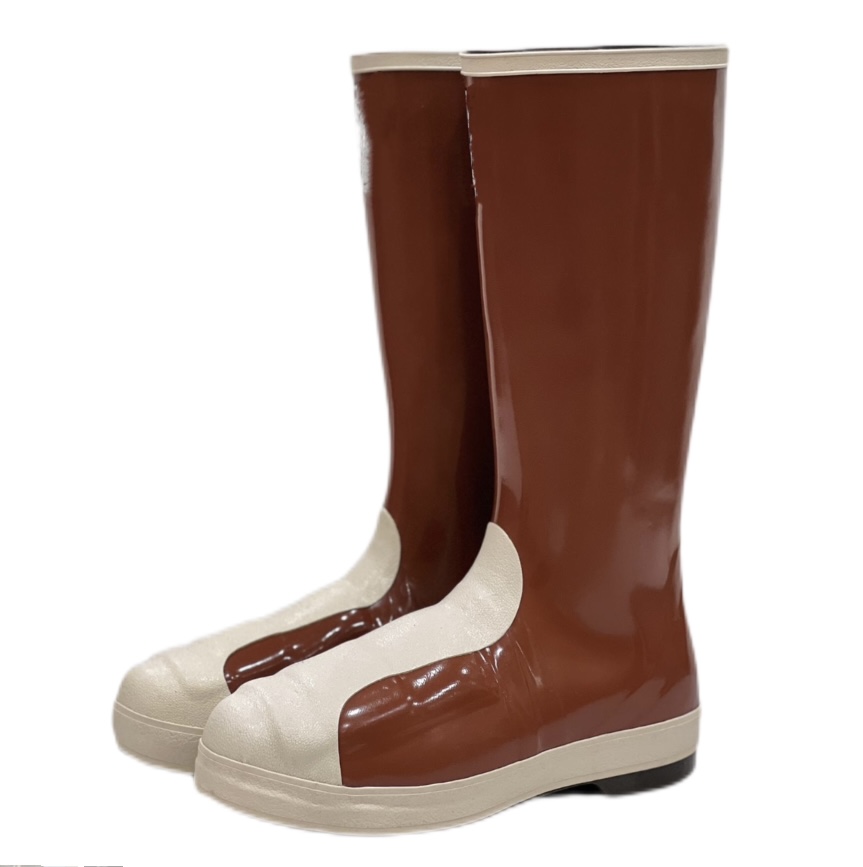
2. Product and Process Principle
Acid and oil resistant work boots are typically made from special materials. Rubber is a common choice due to its good chemical resistance. Natural rubber has excellent elasticity and flexibility, but it may not be as resistant to acids and oils as synthetic rubber. Synthetic rubbers like neoprene and nitrile rubber are often used because they can withstand a wide range of chemicals. They have a dense molecular structure that prevents acids and oils from penetrating the material. The outsole pattern is another important aspect. A well - designed outsole pattern, such as deep grooves and multi - directional treads, can enhance the boot's grip on slippery surfaces. The shaft height of the boots is also carefully considered. In the auto - industry assembly line, a higher shaft can provide more protection against splashes of acids and oils. The lining of the boots is often made of materials that are comfortable and breathable, such as moisture - wicking fabrics, to keep the feet dry and reduce discomfort. As a Professional Rain Boot Manufacturer understands, the manufacturing process of these boots is crucial. Injection molding is a common method for making the soles of the boots. This process ensures a precise and consistent shape, and it can also incorporate different materials to enhance the performance of the sole. Vulcanization is another important process, especially for rubber boots. It cross - links the rubber molecules, making the boots more durable, resistant to heat, and better able to withstand chemical exposure. Seam - free structure is also preferred in some high - end acid and oil resistant work boots. This reduces the risk of acid and oil penetration through the seams, enhancing the overall protection capabilities of the boots.
3. Practical Solutions and Operation Steps
When choosing acid and oil resistant work boots for auto - industry assembly lines, there are several steps to follow. First, consider the material. As mentioned earlier, synthetic rubbers like neoprene and nitrile rubber are good choices for the outer material. For the lining, look for moisture - wicking and breathable fabrics. Second, think about the shaft height. A shaft height of at least 14 inches is usually recommended to protect from splashes. Third, the outsole pattern is crucial for slip - resistance. Look for boots with deep grooves, multi - directional treads, and a wet - state friction coefficient of at least 0.4 according to EN ISO 20344:2021. This standard helps evaluate the outsole grip on wet or contaminated surfaces. Fourth, consider the size. Rain boots should have about 1 - 1.5cm of extra space to ensure comfort, especially when workers are wearing thick socks. Fifth, check for any relevant certifications. For example, if the boots claim to have protective toe performance, they should meet the ASTM F2413 - 24 standard. If there is a claim of prolonged chemical contact resistance, the boots should comply with EN 13832 - 3:2018. This standard is useful for chemical degradation and permeation evaluation.
4. Daily Maintenance and Precautions
Daily maintenance of acid and oil resistant work boots is essential to ensure their performance and longevity. After each use, clean the boots with mild soap and water. Avoid using strong solvents, as they can damage the rubber material. Rinse the boots thoroughly and let them air - dry at room temperature. Do not place them near a high - temperature heat source or expose them to direct sunlight for a long time, as this can cause the rubber to harden, crack, and lose its elasticity. To remove odors, you can place baking soda inside the boots overnight. If the boots come into contact with acids or oils, wash them immediately to prevent chemical damage. It's also important to note that ordinary rain boots should never be used as a substitute for certified acid and oil resistant work boots in the auto - industry assembly line environment. This is because they do not have the necessary chemical resistance and safety features, which can put workers at risk.
5. Industry Standard and Parameter Reference
This chapter provides the authoritative support for the entire article. The following table lists the international standards, test methods, or verifiable parameters related to acid and oil resistant work boots:
ParameterRecommended ReferenceWhy It MattersSlip resistanceEN ISO 20344:2021 / EN ISO 20347:2022+A1:2024 where applicableHelps evaluate outsole grip on wet or contaminated surfaces.Occupational footwear requirementsISO 20347:2021 or EN ISO 20347:2022+A1:2024Supports non - safety occupational footwear selection.Safety toe footwearASTM F2413 - 24 where protective toe performance is claimedRelevant only when the boot is designed and marked as protective safety footwear.Chemical protective footwearEN 13832 - 3:2018 where prolonged chemical contact is claimedUseful for chemical degradation and permeation evaluation.
Do not invent exact performance numbers. Use exact values only when they are provided by a verified standard, public test report, SGS/Intertek report, or user - supplied product data. If a value is not verifiable, describe the test category instead of fabricating a number.
6. Customer Common FAQ
Q: What material is best for acid and oil resistant work boots?
A: Synthetic rubbers like neoprene and nitrile rubber are excellent choices. A Professional Rain Boot Manufacturer can attest that these materials have a high resistance to a wide range of acids and oils due to their dense molecular structure.
Q: How can I tell if the boots are truly slip - resistant?
A: Look for boots that meet the EN ISO 20344:2021 standard. This standard evaluates the outsole grip on wet or contaminated surfaces. A wet - state friction coefficient of at least 0.4 is a good indicator of good slip - resistance.
Q: What size should I choose for my work boots?
A: Rain boots should have about 1 - 1.5cm of extra space. This allows for comfortable movement and is especially important when wearing thick socks on the assembly line.
Q: Do these boots have a strong odor?
A: New boots may have a slight odor, but it should dissipate over time. You can use baking soda to help remove any lingering odors. Place it inside the boots overnight and then shake it out in the morning.
Q: Can these boots crack in cold weather?
A: High - quality acid and oil resistant work boots made from proper materials should be able to withstand cold temperatures. However, if the boots are made from low - quality PVC or non - cold - resistant rubber, they may crack at low temperatures. Boots should be able to withstand - 20℃ without cracking according to the relevant cold - resistance test standards.
Conclusion
In conclusion, acid and oil resistant work boots are essential for workers in the auto - industry assembly lines. The core problems such as acid and oil corrosion, lack of slip - resistance, and foot discomfort can be effectively solved through proper product selection and maintenance. When choosing boots, consider factors like material, shaft height, outsole pattern, and size. Follow industry standards such as EN ISO 20344:2021 and ASTM F2413 - 24 for a reliable selection. A Professional Rain Boot Manufacturer can offer valuable insights into the selection and usage of these boots to ensure worker safety and comfort.
References
- ISO 20344:2021, Footwear Test Methods.
- EN ISO 20347:2022+A1:2024, Occupational Footwear.
- ASTM F2413 - 24, Protective Footwear Specification.
- EN 13832 - 3:2018, Chemical Protective Footwear.