


Performance Trade‑offs for Women’s 3D‑Effect Boots Used in Outdoor Sports
Aug 13, 2026
View: 1
Leave a message
Meta Description: This blog delves into the performance trade - offs of women's 3D - effect boots for outdoor sports. It analyzes common problems, explains product and process principles, and offers practical solutions. It also provides maintenance tips and industry standards. A must - read for those seeking professional knowledge on rain boots. Professional Rain Boot Manufacturer.
Keywords: Women 3D Effect Boots, rain boots, waterproof boots, rubber boots, outdoor sports, product selection, boot maintenance
1. Core Problem Analysis
1.1 Common Causes of the Problem
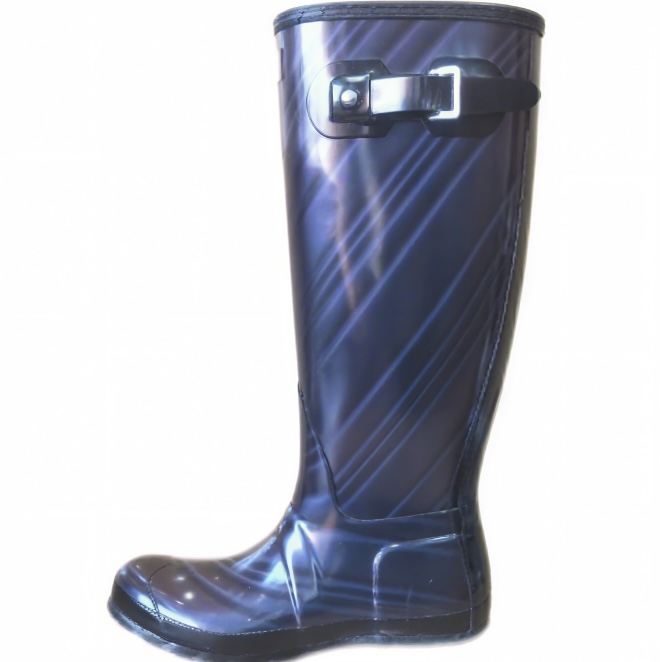
When it comes to women's 3D - effect boots used in outdoor sports, users may face several issues. Firstly, the 3D effect often adds extra material or a unique structure, which can potentially impact the boot's waterproofing. If the seams or joints in the 3D design are not properly sealed, water may seep in, especially during wet outdoor conditions like rainy hikes or water - based sports. Secondly, the additional 3D elements might affect the boot's comfort. They could cause pressure points on the feet, leading to discomfort during long - term wear. Additionally, if the 3D design compromises the flexibility of the boot, it can limit the wearer's mobility, making it difficult to perform various outdoor sports activities. Another concern is the durability of the 3D effect. Frequent use in tough outdoor environments can cause the 3D elements to wear off or get damaged, reducing the overall lifespan of the boots. Lastly, sizing can be a problem. The 3D design may change the internal space of the boot, making it difficult to find the right fit.
1.2 Affected Usage Scenarios
These issues can impact a variety of outdoor sports scenarios. For instance, in hiking, whether on a mountain trail or a forest path, the boots need to be waterproof, comfortable, and flexible. If the 3D - effect boots have water - seepage or comfort problems, it can significantly detract from the hiking experience. In fishing, where the feet may be in contact with water for long periods, waterproofing is crucial. Any water getting into the boots can make the feet cold and uncomfortable, and also increase the risk of foot diseases. In gardening, 3D - effect boots need to be durable enough to withstand contact with soil, plants, and various gardening tools. If the 3D elements are easily damaged, the boots may not last long. Another scenario is water - based sports such as kayaking or canoeing. Here, the boots must provide good traction on wet surfaces and remain waterproof at all times.
2. Product and Process Principle
The materials commonly used in creating women's 3D - effect boots include natural rubber, synthetic rubber, PVC, and EVA. Natural rubber is highly regarded for its excellent flexibility, durability, and waterproofing properties. It can withstand cold temperatures and provides good traction on various surfaces. Synthetic rubber, on the other hand, shares many of the advantages of natural rubber but often offers better resistance to oils and chemicals. PVC is a popular choice due to its low cost and ease of production. It is also effective in keeping water out and is simple to clean. EVA is lightweight and provides good cushioning, making it suitable for applications where comfort is a priority.
When it comes to the manufacturing process, two main methods are predominant: injection molding and vulcanization. Injection molding is widely used, especially for mass - producing boots. In this process, molten material (such as PVC or rubber) is injected into a mold under high pressure. The advantages of injection molding are its high efficiency, precision in replicating complex patterns, and low waste of materials. It can create a seamless structure, which enhances the waterproof performance of the boots. Vulcanization is a process mainly used for natural and synthetic rubber boots. It involves heating the rubber with sulfur or other vulcanizing agents to cross - link the rubber molecules, resulting in a more durable and elastic product. Professional Rain Boot Manufacturer often uses these processes to ensure the quality and performance of the boots.
3. Practical Solutions and Operation Steps
When selecting women's 3D - effect boots for outdoor sports, consider the following steps:
- Material Selection: If you are engaged inactivities where you need to be in contact with chemicals, PVC boots might be a good choice because of their excellent chemical resistance. For long - term outdoor use in various weather conditions, natural rubber boots are preferred for their durability and traction. If you prioritize lightweight and cushioning, EVA boots may be the right option.
- Shaft Height: For activities like hiking on uneven terrains or in tall grass, a higher shaft height can protect your ankles from debris and potential injury. For more urban - based outdoor sports like cycling or running in wet conditions, a lower shaft might be more comfortable and less restrictive.
- Outsole Pattern: Look for boots with deep and well - defined outsole patterns. Patterns like zig - zags, lugs, or hexagonal designs provide better traction on different surfaces. For wet or slippery surfaces, a pattern with large channels or grooves can help drain water and prevent slipping.
- Lining: A breathable lining can keep your feet dry and comfortable during long - term wear. Materials like mesh or moisture - wicking fabrics are good choices. If you are in cold environments, a warm lining such as fleece or wool can be added.
- Size Selection: Measure your feet accurately and refer to the manufacturer's size chart. Since the 3D design may affect the internal space of the boot, it's advisable to try on the boots if possible. Leave some room (about 1 - 1.5 cm) for your toes to move freely, especially if you plan to wear thick socks in cold weather.
- Check for Quality: Inspect the seams, joints, and the 3D elements of the boots. Make sure the seams are well - sealed and the 3D elements are firmly attached. Test the flexibility of the boot by bending it in your hands to ensure it won't restrict your movement.
4. Daily Maintenance and Precautions
To maintain the performance and lifespan of women's 3D - effect boots:
- Cleaning: After each use, clean the boots with a mild soap and water solution. Use a soft brush to remove dirt and debris from the 3D elements and the outsole. Rinse thoroughly and pat dry with a clean cloth.
- Drying: Do not dry the boots in direct sunlight or near a heat source. This can cause the materials to deform or the 3D elements to come loose. Instead, let them air - dry in a well - ventilated area. Stuff the boots with newspaper to help absorb moisture and maintain their shape.
- Odor Removal: If the boots develop an odor, sprinkle some baking soda inside and leave it overnight. Then shake out the baking soda the next day.
- Anti - aging: Apply a protective spray to the boots to prevent the materials from aging prematurely. This is especially important for boots made of rubber or PVC.
- Storage: Store the boots in a cool, dry place. Avoid stacking heavy objects on top of them, as this can cause the 3D elements or the structure of the boots to deform.
- Precautions: Do not use strong solvents or abrasive cleaners on the boots, as they can damage the materials. Also, do not use ordinary rain boots in situations where safety - certified boots are required, such as in industrial settings.
5. Industry Standard and Parameter Reference
This section provides important industry standards and parameters for women's 3D - effect boots:
ParameterRecommended ReferenceWhy It MattersSlip resistanceEN ISO 20344:2021 / EN ISO 20347:2022+A1:2024 where applicableHelps evaluate outsole grip on wet or contaminated surfaces.Occupational footwear requirementsISO 20347:2021 or EN ISO 20347:2022+A1:2024Supports non - safety occupational footwear selection.Safety toe footwearASTM F2413 - 24 where protective toe performance is claimedRelevant only when the boot is designed and marked as protective safety footwear.Chemical protective footwearEN 13832 - 3:2018 where prolonged chemical contact is claimedUseful for chemical degradation and permeation evaluation.
It is important not to invent exact performance numbers. Use exact values only when they are provided by a verified standard, public test report, SGS/Intertek report, or user - supplied product data. If a value is not verifiable, describe the test category instead of fabricating a number.
6. Customer Common FAQ
Q: How do I choose the right material for my 3D - effect boots?
A: The choice of material depends on your specific needs. If you need chemical resistance, PVC is a good option. For durability and all - weather performance, natural rubber is better. If you prioritize lightweight and comfort, EVA is suitable. A Professional Rain Boot Manufacturer can also provide more detailed advice based on your usage scenarios.
Q: Are 3D - effect boots more slippery than regular boots?
A: Not necessarily. The slip resistance of boots depends on the outsole pattern and the material. Look for boots with deep and well - designed outsole patterns that meet relevant slip - resistance standards such as EN ISO 20344:2021 / EN ISO 20347:2022+A1:2024.
Q: How do I know if the 3D - effect boots fit me properly?
A: Measure your feet accurately and compare with the manufacturer's size chart. Try on the boots and make sure there is enough room for your toes to move. Remember that the 3D design may affect the internal space, so it's better to test the fit in person if possible.
Q: Do 3D - effect boots have a strong odor?
A: Some boots may have a mild odor when new, especially those made of PVC or rubber. You can use methods like adding baking soda to remove the odor. If the odor persists, it could be a sign of low - quality materials.
Q: Can 3D - effect boots be used in cold weather?
A: It depends on the material and the lining. Boots with a warm lining like fleece or wool and made of materials that can withstand low temperatures (such as natural rubber) are suitable for cold weather. However, some materials like PVC may become hard and brittle in extremely cold conditions.
Conclusion
In conclusion, when considering women's 3D - effect boots for outdoor sports, it's essential to understand the core problems, such as water - seepage, comfort, durability, and sizing issues. Knowledge of the product and process principle, including materials like natural rubber, PVC, and EVA, and manufacturing methods like injection molding and vulcanization, can help in making an informed choice. Practical solutions such as proper material, shaft height, outsole pattern, and lining selection can ensure the boots meet your specific needs. Daily maintenance, according to the recommended guidelines, will prolong the boots' lifespan. By referring to industry standards, you can assess the boots' performance. A Professional Rain Boot Manufacturer can offer valuable expertise throughout the process, from selection to maintenance.
References
- Data Monitoring and Research Report on China’s Women’s Rain Boot Market, 2026
- Picking the Wrong Rain Boot Is a Waste of Money: What Are the Differences Among PVC, EVA and Natural Rubber
- What Is Injection Molding and How Does It Benefit Rain Boot Manufacturing