


Practical Strengths & Drawbacks of Vibrant‑Colored Latex Kids Boots for Children’s Outdoor Play Activities
Aug 13, 2026
View: 0
Leave a message
Meta Description: This article delves into the practical strengths and drawbacks of colorful kid latex boots for outdoor play. It's suitable for parents and educators seeking to understand these boots' performance in various scenarios. Professional Rain Boot Manufacturer offers in - depth insights into product knowledge and usage.
Keywords: Colorful kid latex boots, rain boots, waterproof boots, rubber boots, kids outdoor play, boot material, boot maintenance
1. Core Problem Analysis
1.1 Common Causes of the Problem
When searching for colorful kid latex boots, parents often face several issues. One common problem is the durability of the boots. Latex, while flexible, can be prone to punctures, especially if children are playing in areas with sharp objects like twigs or rocks. Another issue is the fit. Kids' feet grow quickly, and an ill - fitting boot can cause discomfort, blisters, or even affect a child's gait. Additionally, latex boots may not be the most breathable, leading to sweaty feet, which can be uncomfortable and may cause odor over time. The color of the boots can also fade if exposed to excessive sunlight or harsh chemicals during cleaning.
1.2 Affected Usage Scenarios
These boots are mainly used in children's outdoor play activities. For instance, in a garden, kids can splash in puddles, dig in the dirt, or play with water features. In a park, they can run around on wet grass or walk through small streams. At the beach, they can wade in the shallow water. However, the drawbacks may become more evident in more rugged terrains such as forests, where there are more chances of puncturing the boots, or in hot and sunny weather, where the lack of breathability can be a major issue.
2. Product and Process Principle
Colorful kid latex boots are typically made from natural latex, a product sourced from rubber trees. Natural latex has excellent elasticity, which allows the boots to stretch and fit a child's foot comfortably. To produce these boots, the first step is to harvest the latex from the trees. The latex is then collected and processed to remove impurities.
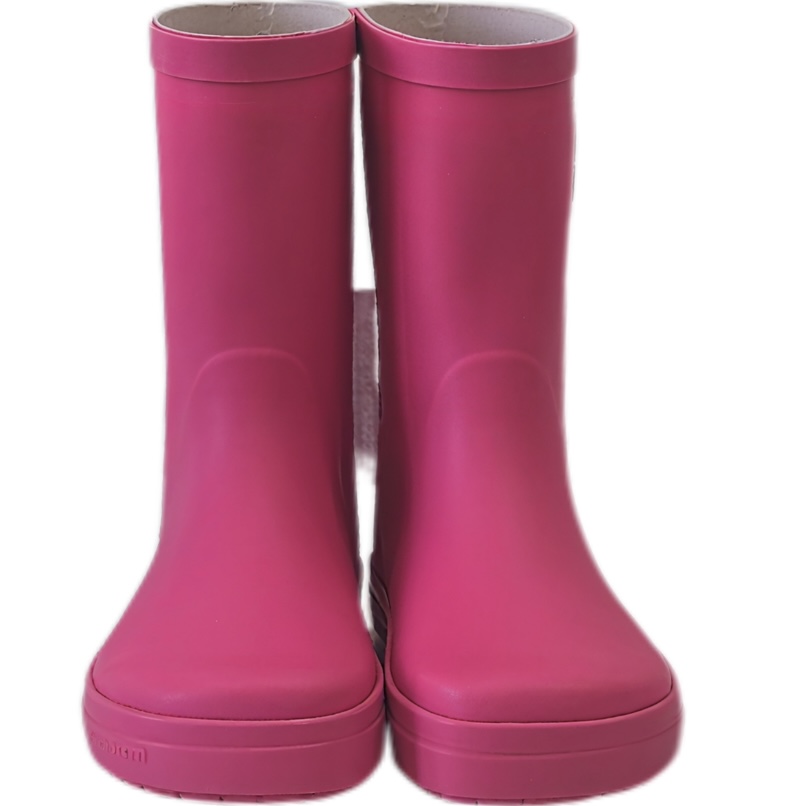
Next, a chemical compound is added to the latex to make it more stable and to facilitate the molding process. The boots are formed through a dipping process, where a mold in the shape of a boot is dipped into the liquid latex multiple times to build up the desired thickness. The dipped molds are then heated in an oven to vulcanize the latex, which makes the boots more durable and resistant to wear and tear.
To add color to the boots, pigments are mixed into the latex before the dipping process. These pigments need to be carefully selected to ensure they are non - toxic and safe for children. Professional Rain Boot Manufacturer has in - depth knowledge of these processes and can ensure that the production meets the highest safety and quality standards.
3. Practical Solutions and Operation Steps
When choosing colorful kid latex boots, consider the following steps:
- Material Selection: Opt for high - quality natural latex. Check for certifications that ensure the latex is free from harmful chemicals. If possible, choose boots with a small percentage of synthetic rubber blended in, as this can increase durability without sacrificing too much flexibility.
- Size Selection: Measure your child's feet accurately. Most manufacturers provide size charts based on foot length. It's advisable to leave a little extra room (about 1 - 1.5 cm) to accommodate growth. Also, consider trying the boots on with the type of socks your child will wear during use.
- Design and Features: Look for boots with a good sole pattern for traction. A deep - tread pattern will provide better grip on wet and slippery surfaces. Some boots may also have additional features like reinforced toes or heels for added protection.
- Color Fastness: If color is important, ask the manufacturer about the color - fastness of the boots. Boots with a higher color - fastness rating will retain their color for longer, especially when exposed to sunlight and water.
4. Daily Maintenance and Precautions
To keep the colorful kid latex boots in good condition, follow these maintenance tips:
- Cleaning: After each use, rinse the boots with clean water to remove dirt and debris. For stubborn stains, use a mild soap solution and a soft brush. Avoid using harsh chemicals or abrasives, as these can damage the latex and cause the color to fade.
- Drying: Let the boots air - dry at room temperature. Do not expose them to direct sunlight or heat sources, such as radiators or hair dryers, as this can cause the latex to crack and shrink.
- Odor Removal: If the boots develop an odor, sprinkle baking soda inside and leave it overnight. Then, shake out the baking soda in the morning. You can also place a tea bag inside the boots to absorb odors.
- Storage: Store the boots in a cool, dry place. If possible, stuff them with tissue paper or a shoe tree to help maintain their shape. Do not store them in a tightly sealed container, as this can promote the growth of mold and mildew.
It's important to note some precautions. Do not let children wear these boots in extremely hot or cold weather for extended periods. In hot weather, the lack of breathability can be uncomfortable, and in cold weather, the latex may become stiff and brittle. Also, do not use the boots for activities they are not designed for, such as heavy - duty work, as this can lead to premature wear and tear.
5. Industry Standard and Parameter Reference
This section is the authoritative support module for the full text and must list international standards, testing methods, or verifiable parameters related to the article's theme. The following table shows some important parameters:
ParameterRecommended ReferenceWhy It MattersSlip resistanceEN ISO 20344:2021 / EN ISO 20347:2022+A1:2024 where applicableHelps evaluate outsole grip on wet or contaminated surfaces.Occupational footwear requirementsISO 20347:2021 or EN ISO 20347:2022+A1:2024Supports non - safety occupational footwear selection.Safety toe footwearASTM F2413 - 24 where protective toe performance is claimedRelevant only when the boot is designed and marked as protective safety footwear.Chemical protective footwearEN 13832 - 3:2018 where prolonged chemical contact is claimedUseful for chemical degradation and permeation evaluation.Color fastnessISO 105 - C06:2010 (E) - for color fastness to washing and ISO 105 - B02:2014 - for color fastness to lightImportant for maintaining the appearance of colorful boots over time.
Do not invent exact performance numbers. Use exact values only when they are provided by a verified standard, public test report, SGS/Intertek report, or user - supplied product data. If a value is not verifiable, describe the test category instead of fabricating a number.
6. Customer Common FAQ
Q: Are colorful kid latex boots safe for children?
A: Professional Rain Boot Manufacturer ensures that these boots are made from non - toxic and child - safe materials. However, it's important to choose boots that meet relevant safety standards. Always check for certifications and do a spot test on a small area of the boot, especially if your child has sensitive skin.
Q: How long do these boots usually last?
A: The lifespan of the boots depends on several factors, such as the frequency of use, the type of activities, and the quality of the latex. With proper care and normal use, they can last for a few months to a year. If the boots are used frequently in rough conditions, they may need to be replaced more often.
Q: Can I wash colorful kid latex boots in a washing machine?
A: It's not recommended to wash them in a washing machine. The agitation and spinning can damage the latex and cause the color to fade. Instead, hand - wash them with a mild soap solution as described in the maintenance section.
Q: What if the boots are too tight or too loose?
A: If the boots are too tight, they can cause discomfort and restrict movement. Try to stretch them slightly by wearing thick socks for a day or two. If they are too loose, you can use insole inserts to make them fit better. However, if the fit is extremely poor, it's best to exchange them for the correct size.
Q: Do these boots offer good insulation in cold weather?
A: Latex boots do not provide significant insulation on their own. In cold weather, it's advisable to have your child wear warm socks inside the boots. If it's extremely cold, consider using additional foot warmers.
Conclusion
This article has explored the practical strengths and drawbacks of colorful kid latex boots for children's outdoor play. We've learned about the causes of common problems, the product and process principles, practical solutions for selection, daily maintenance, and industry standards. A Professional Rain Boot Manufacturer can provide valuable insights into these aspects, helping you make an informed decision when choosing these boots for your child. By understanding the characteristics of latex boots and following the appropriate care and selection guidelines, you can ensure a comfortable and safe outdoor experience for your little one.
References
- 2026及未来5年中国雨靴行业市场运行态势及未来前景规划报告
- 2026 - 2030中国橡胶雨鞋行业市场发展分析及前景趋势与投资研究报告
- What are the main materials used in the production of rain boots? A Guide to Durability & Comfort
- 2026 - 2032橡胶雨靴行业发展现状及趋势预测报告