


Stylish Fantasy-Hued Men's Outdoor Boots: Visual Appeal & Functional Strengths for Fashion Footwear Wholesalers
Aug 13, 2026
View: 0
Leave a message
Meta Description: This blog focuses on the product knowledge, material principles, and usage of men's fantasy color boots. It analyzes common problems, provides practical solutions, and offers maintenance advice. Suitable for fashion footwear wholesalers and outdoor enthusiasts. Professional Rain Boot Manufacturer
Keywords: Men Fantasy Color Boots, rain boots, waterproof boots, rubber boots, boot maintenance
1. Core Problem Analysis
1.1 Common Causes of the Problem
When consumers search for men's fantasy color boots, they often face several common issues. One of the primary concerns is the durability of the boots. The color might fade over time, especially if exposed to harsh environmental conditions such as sunlight, water, and abrasion. Another problem is the waterproof performance. If the boots are not properly sealed or made from high - quality waterproof materials, they may leak, leaving the feet wet and uncomfortable. Additionally, the comfort level is crucial. Poorly designed insoles or improper sizing can lead to foot fatigue, blisters, and pain during long - term wear.
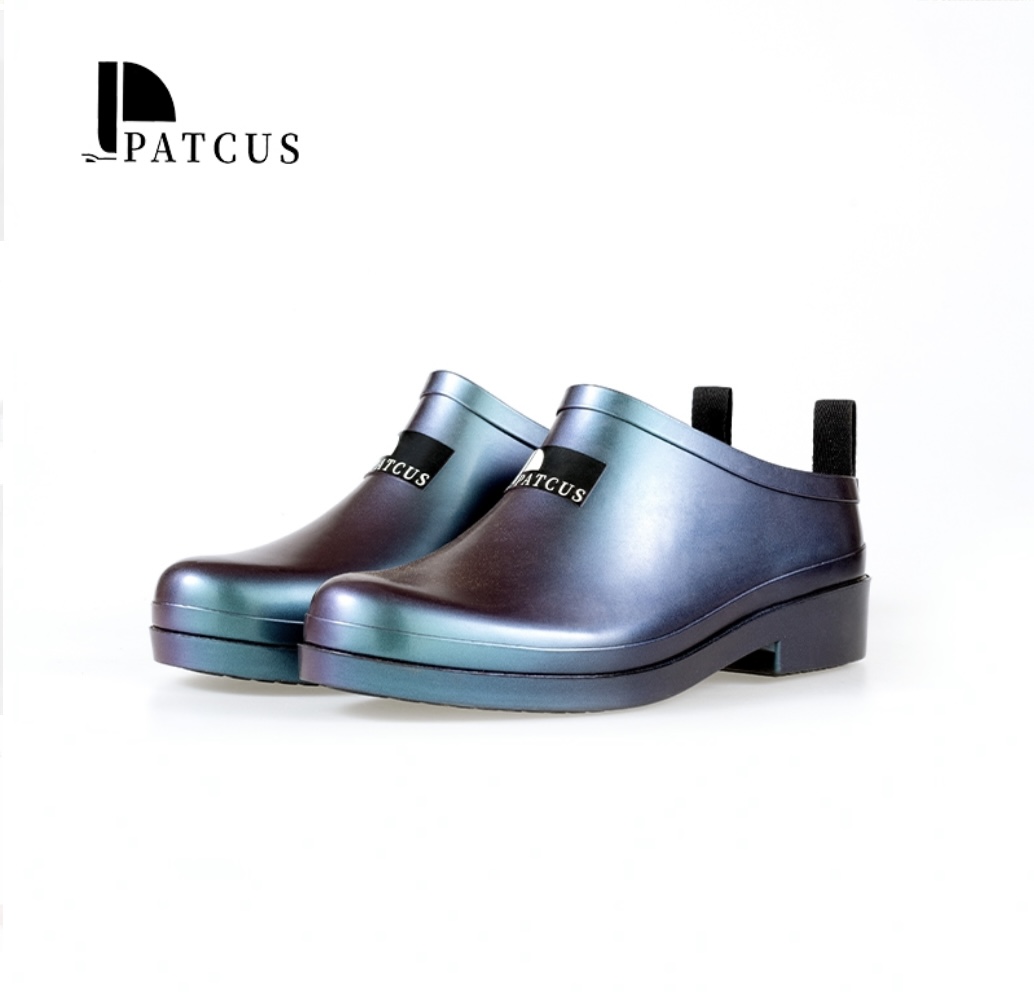
1.2 Affected Usage Scenarios
These problems can significantly affect various usage scenarios. For outdoor activities like hiking, camping, and fishing, the durability and waterproofness of the boots are essential. If the color fades or the boots leak, it can not only affect the aesthetic but also the functionality, potentially ruining the outdoor experience. In rainy commuting situations, waterproof boots are a must to keep the feet dry. If the boots fail to do so, it can cause discomfort and even lead to health problems such as colds. In muddy outdoor work, such as farming or construction, the boots need to be durable and non - slip. Poor durability can result in the boots wearing out quickly, while inadequate slip resistance can pose safety risks.
2. Product and Process Principle
Rain boots, including men's fantasy color boots, are typically made from various materials and through different processes. The most common materials are PVC, rubber, EVA, and TPR.
PVC is a popular choice due to its relatively low cost and easy processability. It can be easily injected into molds to form the shape of the boots. By adding different colorants and additives, it can achieve a wide range of colors and properties, such as flexibility and hardness. However, PVC may become brittle in cold temperatures.
Rubber, especially natural rubber, offers excellent elasticity, waterproofness, and durability. It can withstand harsh environmental conditions and has good slip resistance. The production of rubber boots often involves a vulcanization process. In this process, rubber is mixed with sulfur and other additives and then heated under pressure. This causes the rubber molecules to cross - link, forming a three - dimensional network structure that enhances the strength and durability of the rubber. Professional Rain Boot Manufacturer often uses advanced vulcanization techniques to ensure the quality of rubber boots.
EVA is a lightweight and flexible material. It has good shock - absorption properties, making it suitable for long - term wear. EVA is often used in the midsole or insole of the boots to provide comfort. TPR is a thermoplastic rubber that combines the properties of rubber and plastic. It has good elasticity and processability and can be used in various parts of the boots.
The outsole pattern is also an important aspect of boot design. A deep and well - designed outsole pattern can improve the slip resistance of the boots. For example, a pattern with large lugs or channels can effectively drain water and mud, increasing the contact area between the boot and the ground. The shaft height of the boots can vary from low - cut to high - cut, which depends on the intended usage. High - cut boots provide more protection for the ankles and lower legs, while low - cut boots offer more flexibility and ventilation. Lining materials, such as cotton or synthetic fabrics, can improve the comfort of the boots by absorbing moisture and reducing friction.
3. Practical Solutions and Operation Steps
When choosing men's fantasy color boots, consider the following aspects:
- Material selection: If you need boots for cold weather, rubber or EVA might be a better choice as they offer better flexibility in low temperatures compared to PVC. For heavy - duty work, high - quality rubber boots are more suitable due to their durability. If you want lightweight and comfortable boots for daily wear, EVA or TPR can be considered.
- Shaft height: For activities that involve a lot of ankle movement, like hiking or running, low - cut or mid - cut boots are more appropriate. For activities where you need to wade through water or mud, high - cut boots are recommended to keep your legs dry and protected.
- Outsole pattern: For slippery surfaces, choose boots with a deep and aggressive outsole pattern. For regular walking on flat surfaces, a less aggressive pattern can be sufficient.
- Insoles: If you have foot problems or plan to wear the boots for a long time, look for boots with removable and cushioned insoles. You can also replace the insoles with custom - made ones for better support.
- Size: Make sure to choose the right size. Measure your feet accurately and try on the boots to ensure a comfortable fit. Avoid boots that are too tight or too loose, as they can cause discomfort and foot problems.
When it comes to purchasing, you can check the product specifications, customer reviews, and certifications. Look for boots that meet relevant safety and quality standards, such as ISO 20347:2021 for occupational footwear requirements.
4. Daily Maintenance and Precautions
To ensure the longevity and performance of men's fantasy color boots, follow these daily maintenance tips:
- Cleaning: After each use, clean the boots with a damp cloth to remove dirt and debris. For stubborn stains, you can use a mild detergent. Avoid using strong solvents as they can damage the material of the boots.
- Drying: After cleaning, let the boots dry naturally in a well - ventilated area. Do not expose them to direct sunlight or high - heat sources, as this can cause the material to shrink, crack, or fade.
- Deodorizing: If the boots develop an odor, you can place a dryer sheet or a small sachet of baking soda inside them. This can help absorb the odor.
- Anti - aging: To prevent the material from aging, you can apply a protective coating or conditioner according to the manufacturer's instructions. This can help maintain the flexibility and waterproofness of the boots.
- Storage: When not in use, store the boots in a cool, dry place. You can stuff them with newspaper to help maintain their shape. Do not stack heavy objects on top of the boots.
It is also important to note some precautions. Do not use ordinary rain boots in place of safety boots in high - risk work environments. Ordinary rain boots may not provide the necessary protection, such as impact resistance or electrical insulation.
5. Industry Standard and Parameter Reference
This chapter is the authoritative support module of the full text, and it must list international standards, test methods, or verifiable parameters closely related to the article theme. The following table presents some key parameters:
ParameterRecommended ReferenceWhy It MattersSlip resistanceEN ISO 20344:2021 / EN ISO 20347:2022+A1:2024 where applicableHelps evaluate outsole grip on wet or contaminated surfaces.Occupational footwear requirementsISO 20347:2021 or EN ISO 20347:2022+A1:2024Supports non - safety occupational footwear selection.Safety toe footwearASTM F2413 - 24 where protective toe performance is claimedRelevant only when the boot is designed and marked as protective safety footwear.Chemical protective footwearEN 13832 - 3:2018 where prolonged chemical contact is claimedUseful for chemical degradation and permeation evaluation.
Do not invent exact performance numbers. Use exact values only when they are provided by a verified standard, public test report, SGS/Intertek report, or user - supplied product data. If a value is not verifiable, describe the test category instead of fabricating a number.
6. Customer Common FAQ
Q: How do I choose the right material for my fantasy color boots?
A: The choice of material depends on your usage scenario. If you need boots for cold weather, rubber or EVA is a good option as they are more flexible in low temperatures. For heavy - duty work, rubber is more suitable due to its durability. For daily wear, PVC, EVA, or TPR can be considered. Professional Rain Boot Manufacturer can provide more detailed advice based on specific requirements.
Q: How can I ensure the boots are non - slip?
A: Look for boots that meet the relevant slip - resistance standards, such as EN ISO 20344:2021. Also, choose boots with a deep and well - designed outsole pattern. The pattern should be able to drain water and mud effectively to increase the grip on the ground.
Q: What size boots should I buy?
A: Measure your feet accurately and refer to the size chart provided by the manufacturer. It is also recommended to try on the boots before purchasing. If you are between two sizes, it is better to choose the larger size for a more comfortable fit.
Q: How do I remove the odor from my boots?
A: You can place a dryer sheet or a sachet of baking soda inside the boots. Let them sit for a few days to absorb the odor. You can also clean the boots regularly to prevent odor build - up.
Q: Can I wear my fantasy color boots in extremely cold weather?
A: It depends on the material of the boots. Rubber and EVA boots generally perform better in cold weather compared to PVC boots, which tend to become brittle. However, if the temperature is extremely low, it is still recommended to wear additional insulation, such as thick socks.
Conclusion
In summary, when considering men's fantasy color boots, it is essential to understand the common problems, product principles, and maintenance methods. To choose the right boots, you need to consider factors like material, shaft height, outsole pattern, and size according to your specific usage scenarios. The industry standards and parameters provide reliable references for ensuring the quality and performance of the boots. Professional Rain Boot Manufacturer can offer valuable insights and guidance in the selection and use of rain boots.
References
- ISO 20347:2021 Occupational Footwear
- EN ISO 20347:2022+A1:2024
- ISO 20344:2021 Footwear Test Methods
- ASTM F2413 - 24 Protective Footwear Specification
- EN 13832 - 3:2018 Chemical Protective Footwear