


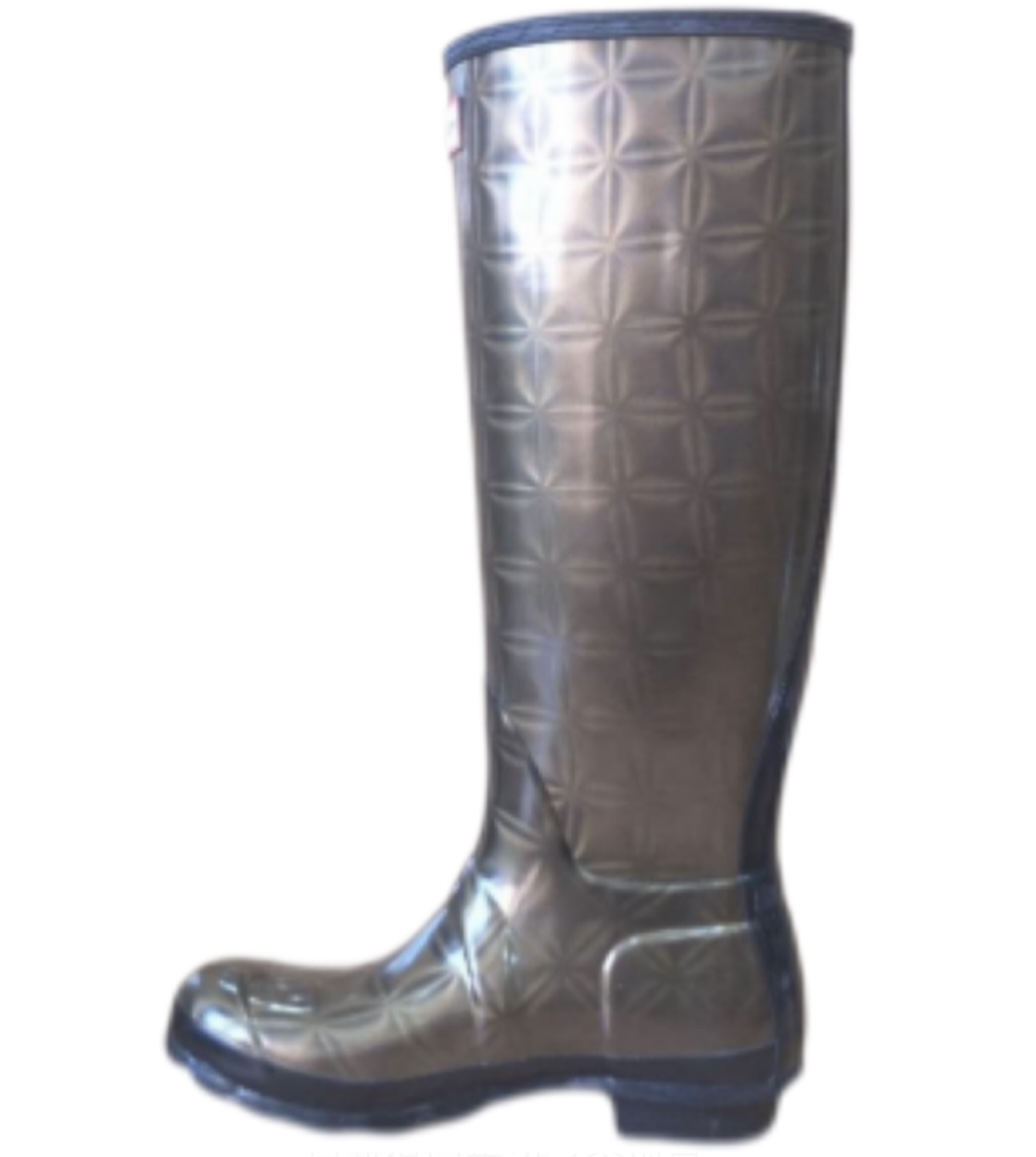
Trendy 3D Graphic Women’s Rubber Outdoor Boots: Unique Visual & Comfort Functional Benefits for Fashion Footery Merchants
Aug 13, 2026
View: 0
Leave a message
Meta Description: This article delves into the world of women's 3D effect boots. It analyzes common problems, explains the manufacturing principles, and offers practical selection and maintenance advice. Suitable for fashion footery merchants and women who love outdoor boots, this guide provides professional insights. Professional Rain Boot Manufacturer
Keywords: Women 3D Effect Boots, Rubber Boots, Waterproof Boots, Boot Material, Boot Maintenance
1. Core Problem Analysis
1.1 Common Causes of the Problem
When searching for women's 3D effect boots, consumers often encounter several issues. One of the main problems is the discomfort caused by improper fit. Women have different foot shapes and sizes, and if the boots are not designed to accommodate these variations, it can lead to blisters, pinched toes, or heel slippage. Another common issue is poor waterproofing. Even though rubber is a common material for these boots, low - quality rubber or improper sealing can result in water seeping in, making the feet wet and cold. Additionally, the lack of adequate traction on the soles can be a safety hazard, especially in wet or slippery outdoor conditions. Durability is also a concern, as the 3D graphics or the boots themselves may start to wear out quickly if the materials or manufacturing processes are substandard.
1.2 Affected Usage Scenarios
The problems mentioned above can significantly impact various usage scenarios. For women who wear these boots for rainy commuting, wet feet can make the journey uncomfortable and may even lead to health problems such as colds. In gardening or farming activities, the lack of proper fit and traction can slow down work and increase the risk of accidents. Fishing trips often involve wet and slippery surfaces, and boots with poor slip resistance can cause fishermen to fall. Even in outdoor parties and concerts held in the rain, uncomfortable or non - waterproof boots can ruin the experience. Muddy outdoor work, like construction or landscaping, requires boots that can withstand tough conditions, and failed boots can make the work almost impossible to carry out.
2. Product and Process Principle
Rain boots, including women's 3D effect boots, are typically made from various materials, each with its own characteristics. Rubber is a popular choice due to its excellent waterproofing properties. Natural rubber has high elasticity and is more environmentally friendly compared to synthetic rubber. PVC (Polyvinyl Chloride) is another common material. It is lightweight, inexpensive, and can be easily molded into different shapes and colors. EVA (Ethylene - Vinyl Acetate) is known for its softness and shock - absorbing capabilities, which can enhance comfort. TPR (Thermoplastic Rubber) combines the advantages of rubber and plastic, offering good flexibility and durability.
The manufacturing process of these boots also plays a crucial role in their quality. Injection molding is a commonly used method, where the molten material is injected into a mold under high pressure. This allows for precise shaping of the boots, including the 3D graphics. Vulcanization is a process used to strengthen rubber. It involves heating the rubber with sulfur, which forms cross - links between the rubber molecules, increasing its strength, durability, and resistance to heat and chemicals. A seam - free structure can be achieved through advanced manufacturing techniques, which helps to prevent water leakage at the seams. Thickness control is important to ensure that the boots are both waterproof and comfortable. A compound formulation may be used to enhance the properties of the material, such as adding anti - slip agents to the sole material.
A Professional Rain Boot Manufacturer is well - versed in these materials and processes. They can select the appropriate material based on the design requirements and intended use of the boots. For example, for boots with complex 3D graphics, a material that can hold the shape well, like PVC, might be a good choice. The manufacturer can also optimize the manufacturing process to ensure high - quality products.
3. Practical Solutions and Operation Steps
When choosing women's 3D effect boots, consider the following steps:
- Material selection: If you need boots for long - term outdoor use in cold weather, natural rubber or a high - quality synthetic rubber might be the best choice due to their durability and insulation properties. For warmer climates or short - term use, PVC or EVA boots can be more suitable as they are lightweight and breathable. TPR is a good option for those who need a combination of flexibility and durability.
- Shaft Height: For rainy commuting or light outdoor activities, mid - calf boots are a practical choice as they are easy to wear and remove. If you are going to be in deep water or muddy areas, knee - high boots are more appropriate to keep your legs dry.
- Outsole Tread Pattern: Look for boots with deep and well - designed sole patterns, such as V - shaped or herringbone patterns. These patterns can provide better traction on wet or slippery surfaces. According to ISO 20344:2021, proper sole patterns are crucial for slip resistance.
- Lining: A soft and breathable lining can enhance comfort. Materials like cotton or mesh are good choices. Some boots also have moisture - wicking linings that can keep your feet dry.
- Sizing: It is important to measure your feet accurately before purchasing. Since boots are often worn with thicker socks in cold weather, you may want to choose a size slightly larger than your normal shoe size. If possible, try on the boots to ensure a proper fit.
- Cold Resistance Rating: If you live in a cold region, check the boot's insulation rating. Boots with a higher insulation rating can keep your feet warm in lower temperatures. You can refer to industry standards or product specifications for this information.
- Slip Resistance Rating: To ensure safety on wet surfaces, look for boots that meet the relevant slip - resistance standards, such as EN ISO 20347:2022+A1:2024. Some boots may have a special anti - slip sole design or material to enhance grip.
- Cleaning Instructions: For most rubber or PVC boots, you can simply wash them with mild soap and water. Use a soft brush to remove dirt and stains. Avoid using harsh chemicals or abrasive cleaners, as they can damage the boots.
- Storage Guidelines: Store the boots in a cool, dry place away from direct sunlight. Do not fold or compress the boots for long periods, as this can cause permanent deformation.
4. Daily Maintenance and Precautions
Proper daily maintenance can extend the lifespan of women's 3D effect boots. Here are some tips:
Daily Cleaning: Remove dirt and debris from the boots after each use. Use a damp cloth or a soft - bristle brush to clean the surface. If the boots are very dirty, you can soak them in a mixture of mild soap and water, then rinse thoroughly and dry them naturally.
Drying Method: After cleaning or getting wet, let the boots dry naturally at room temperature. Do not dry them with a heater or place them in direct sunlight, as this can cause the rubber to crack or the 3D graphics to fade.
Odor Removal: If the boots develop an odor, you can place a few dryer sheets or a small amount of baking soda inside the boots overnight to absorb the smell.
Anti-Aging Care: Avoid exposing the boots to extreme temperatures, chemicals, or sharp objects. These can cause the material to age prematurely. You can also apply a protective coating or conditioner to the boots regularly to prevent oxidation and cracking.
Shape Retention: When not in use, stuff the boots with newspaper or a boot tree to help them maintain their shape.
Cold Weather Storage: In cold weather, store the boots in a place where they will not freeze. Freezing can make the rubber brittle and more likely to crack.
Post-Chemical Exposure Treatment: If the boots come into contact with chemicals, such as pesticides or solvents, rinse them immediately with plenty of water and follow the manufacturer's instructions for further treatment.
Here are some things to avoid: Do not long - term expose the boots to direct sunlight, as it can cause discoloration and premature aging. Do not place the boots near high - temperature heat sources, as it can melt or deform the material. Avoid using strong solvents for cleaning, as they can damage the boots. And never use ordinary rain boots as a substitute for certified safety boots, as they may not provide the necessary protection in dangerous work environments.
5. Industry Standard and Parameter Reference
This chapter serves as the authoritative support module for the article, presenting international standards, testing methods, or verifiable parameters. Below is a table highlighting key parameters related to women's 3D effect boots:
ParameterRecommended ReferenceWhy It MattersSlip resistanceEN ISO 20344:2021 / EN ISO 20347:2022+A1:2024 where applicableHelps evaluate outsole grip on wet or contaminated surfaces.Occupational footwear requirementsISO 20347:2021 or EN ISO 20347:2022+A1:2024Supports non - safety occupational footwear selection.Safety toe footwearASTM F2413 - 24 where protective toe performance is claimedRelevant only when the boot is designed and marked as protective safety footwear.Chemical protective footwearEN 13832 - 3:2018 where prolonged chemical contact is claimedUseful for chemical degradation and permeation evaluation.Waterproof ratingIPX standards (e.g., IPX6 or higher for outdoor use)Indicates the boot's ability to keep feet dry in different water conditions.
It is important not to invent exact performance numbers. Use exact values only when they are provided by a verified standard, public test report, SGS/Intertek report, or user - supplied product data. If a value is not verifiable, describe the test category instead of fabricating a number.
6. Customer Common FAQ
Q: What material is best for women's 3D effect boots?
A: The choice of material depends on your specific needs. Natural rubber is durable and waterproof, making it suitable for long - term outdoor use. PVC is lightweight and affordable, good for short - term or occasional use. A Professional Rain Boot Manufacturer can provide more detailed advice based on different usage scenarios.
Q: How can I ensure the boots have good slip resistance?
A: Look for boots that meet the relevant slip - resistance standards, such as EN ISO 20347:2022+A1:2024. Check the sole pattern; deep and well - designed patterns like V - shaped or herringbone can enhance grip on wet surfaces.
Q: What size should I choose for my boots?
A: Measure your feet accurately and consider that you may wear thicker socks with the boots in cold weather. It's advisable to choose a size slightly larger than your normal shoe size. If possible, try on the boots before purchasing.
Q: How do I get rid of the odor in my boots?
A: You can place dryer sheets or a small amount of baking soda inside the boots overnight. Let the boots air out in a well - ventilated area.
Q: Can the boots be worn in cold temperatures?
A: Some boots are designed for cold weather and have good insulation properties. Check the boot's insulation rating or look for materials that are suitable for cold temperatures, such as natural rubber. Avoid exposing the boots to extremely cold temperatures for extended periods to prevent the rubber from becoming brittle.
Conclusion
This article has comprehensively covered the key aspects of women's 3D effect boots. We analyzed common problems such as fit, waterproofing, and traction, and explained the principles of materials and manufacturing processes. Practical solutions were provided for selection, including material, size, and sole pattern. Daily maintenance advice was also given to extend the boots' lifespan. A Professional Rain Boot Manufacturer can offer more in - depth expertise and guidance in this area, helping consumers make informed decisions when choosing these boots.
References
- ISO 20347:2021, Occupational Footwear
- EN ISO 20347:2022+A1:2024, Standard for Occupational Footwear
- ISO 20344:2021, Footwear Test Methods
- ASTM F2413 - 24, Protective Footwear Specification
- EN 13832 - 3:2018, Chemical Protective Footwear