


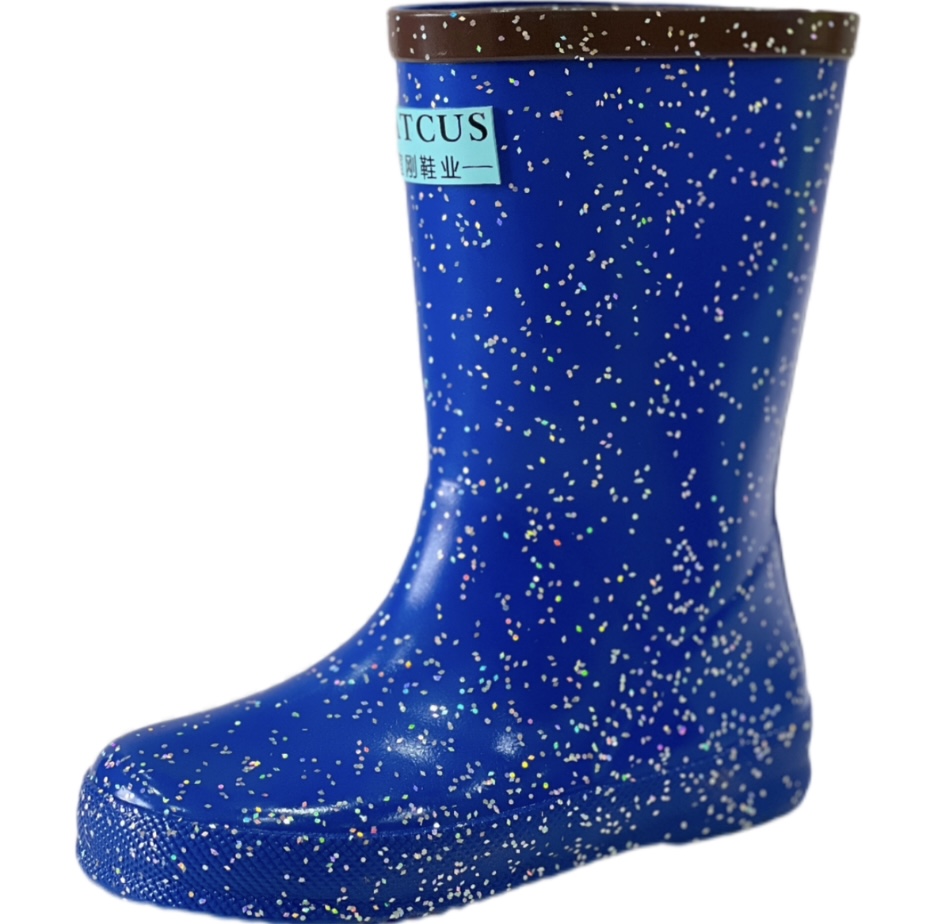
Vibrant Fantasy-Colored Kids’ Rubber Outdoor Boots – Eye-Catching & Practical Merits for Children’s Footwear Wholesalers
Aug 13, 2026
View: 0
Leave a message
Meta Description: This blog focuses on the key aspects of kids' fantasy - colored boots, including causes of common problems, usage scenarios, product and process principles, and practical solutions. Suitable for children's footwear wholesalers and those interested in kid rain boots. Professional Rain Boot Manufacturer can provide support in terms of production and selection knowledge.
Keywords: Kid Fantasy Color Boots, rubber boots, kids' rain boots, boot material, boot process, boot selection, boot maintenance
1. Core Problem Analysis
1.1 Common Causes of the Problem
When parents search for kids' fantasy - colored boots, they often want to address several key issues. One common problem is the size selection. Children's feet grow rapidly, so getting the right size that allows some room for growth while still providing a snug fit is challenging. Another issue is the boot's durability. Kids are active and may subject their boots to rough play, so boots that crack, tear, or lose their shape easily are not satisfactory. Regarding comfort, some boots may be too stiff or not breathable, leading to foot discomfort. Additionally, the safety aspect, such as non - slip soles, is crucial to prevent kids from slipping and getting injured during outdoor activities.
1.2 Affected Usage Scenarios
These issues can affect various usage scenarios. For example, in a rainy day situation, kids may want to splash in puddles or play outdoors. If the boots are not waterproof or have sizing issues, their feet will get wet and cold. When playing in a muddy garden, the boots need to be durable and have good grip to withstand the muddy conditions. They may also wear these boots during winter snow play, where proper insulation and foot protection are essential. For kids participating in messy school events or outdoor picnics in wet grassy areas, reliable boots are necessary to keep their feet dry and comfortable.
2. Product and Process Principle
Kids' fantasy - colored boots are commonly made from materials like rubber, PVC, and EVA. Rubber is a traditional choice due to its high elasticity, water - resistance, and abrasion - resistance. PVC is lightweight, cost - effective, and can be easily molded into various colors and shapes, making it suitable for creating fantasy - colored boots. EVA is known for its softness, cushioning, and shock - absorption properties, which enhance comfort.
The manufacturing processes include injection molding and vulcanization. Injection molding is a process where the molten material is injected into a mold cavity under high pressure. This allows for the production of boots with precise shapes and details, which is ideal for creating unique fantasy designs on kids' boots. Vulcanization, on the other hand, is mainly used for rubber boots. It involves heating the rubber with sulfur or other vulcanizing agents to improve its strength, elasticity, and durability.
The outsole pattern is designed to provide traction. Different patterns, such as lug patterns, offer better grip on wet, slippery, or muddy surfaces. The shaft height of kids' boots can vary. Higher shafts can provide better protection from water splashes and mud, while lower shafts are more flexible and suitable for less extreme conditions. The lining inside the boots can be made of materials like fabric or fleece, which can improve comfort and warmth. Professional Rain Boot Manufacturer has in - depth knowledge of these materials and processes to ensure high - quality product production.
3. Practical Solutions and Operation Steps
When choosing kids' fantasy - colored boots, consider the following steps:
- **Material Selection**: For all - weather use, rubber boots are a good choice as they are highly waterproof and durable. If you want a more lightweight and colorful option, PVC boots can be considered. EVA boots are great for comfort - focused applications.
- **Shaft Height**: For activities in deep water or muddy areas, choose boots with a higher shaft. If it's mainly for light rain or walking on wet pavements, a lower shaft may be sufficient.
- **Sole Pattern**: Look for lug patterns or other non - slip sole designs to ensure safety.
- **Lining**: For colder weather, boots with a fleece or warm fabric lining are recommended. For warmer days, a breathable fabric lining is better.
- **Size Selection**: Measure your child's feet accurately. Leave about 1 - 1.5 centimeters of space at the toe area to allow for foot growth. You can also try on the boots with the socks your child will usually wear.
- **Cold - Resistance and Other Performance**: If your child will use the boots in low - temperature environments, check the cold - resistance rating of the boots.
- **Cleaning and Storage**: After use, clean the boots with mild soap and water, then dry them in a well - ventilated area. Avoid direct sunlight as it may cause the material to age prematurely. Store the boots in a cool, dry place.
4. Daily Maintenance and Precautions
To maintain kids' fantasy - colored boots, here are some daily tips:
- **Cleaning**: Regularly clean the boots with a soft brush and mild soap to remove dirt and debris. Rinse thoroughly and dry them naturally. Do not use strong solvents as they can damage the boot material.
- **Drying**: After cleaning or getting wet, dry the boots in a well - ventilated area away from direct heat sources. High - temperature drying can cause the boots to deform or the material to crack.
- **Odor Removal**: If the boots develop an odor, you can place a small amount of baking soda inside the boots overnight. Then, shake out the baking soda the next day.
- **Anti - Aging and Anti - Deformation**: Do not leave the boots in direct sunlight for a long time, as it can lead to material aging and color fading. Also, avoid folding or pressing the boots for an extended period to prevent deformation.
- **Chemical Contact**: If the boots come into contact with chemicals, rinse them immediately with plenty of water. Do not use common rain boots as certified safety boots in professional work environments, as they may not meet the necessary safety standards.
5. Industry Standard and Parameter Reference
The following table lists some key parameters, recommended references, and their importance:
ParameterRecommended ReferenceWhy It MattersSlip resistanceEN ISO 20344:2021 / EN ISO 20347:2022+A1:2024 where applicableHelps evaluate outsole grip on wet or contaminated surfaces.Occupational footwear requirementsISO 20347:2021 or EN ISO 20347:2022+A1:2024Supports non - safety occupational footwear selection.Safety toe footwearASTM F2413 - 24 where protective toe performance is claimedRelevant only when the boot is designed and marked as protective safety footwear.Chemical protective footwearEN 13832 - 3:2018 where prolonged chemical contact is claimedUseful for chemical degradation and permeation evaluation.FlammabilityASTM D1230 - 22Assesses the flammability of boot materials, important for safety in some environments.WaterproofnessGB/T 20991 - 2019Determines the waterproof performance of boots, ensuring feet stay dry in wet conditions.
For exact performance numbers, rely on values provided by verified standards, public test reports, SGS/Intertek reports, or user - supplied product data. When a value cannot be verified, describe the test category instead of fabricating a number.
6. Customer Common FAQ
Q: What material is the best for kids' fantasy - colored boots?
A: There is no one - size - fits - all answer. Rubber is very durable and waterproof, PVC is lightweight and colorful, and EVA is comfortable. Professional Rain Boot Manufacturer can provide more in - depth advice based on specific usage scenarios.
Q: How do I ensure the boots are non - slip?
A: Look for boots with sole patterns designed for grip, such as lug patterns. You can also refer to the slip - resistance standards like EN ISO 20344:2021 or EN ISO 20347:2022+A1:2024 to check the product's performance.
Q: How do I choose the right size for my child?
A: Measure your child's feet accurately and leave about 1 - 1.5 centimeters of space at the toe. Try on the boots with the socks they will normally wear, and make sure the boots don't feel too tight or too loose.
Q: Why do the boots have an odor?
A: The odor may come from the new material or bacteria growth. If it's a new boot, air it out for a few days. If bacteria is the cause, clean the boots regularly and use odor - removing methods like placing baking soda inside.
Q: Can the boots crack in cold weather?
A: Some materials may become more brittle in cold weather. Check the cold - resistance rating of the boots. If you expect to use them in low - temperature environments, choose boots with better cold - resistance.
Conclusion
In summary, when dealing with kids' fantasy - colored boots, it's essential to understand the common problems, product and process principles. Parents and wholesalers should choose the right boots based on factors such as material, shaft height, sole pattern, and size. Regular maintenance also helps to prolong the boots' lifespan. Professional Rain Boot Manufacturer can offer valuable insights into the selection and production of these boots, ensuring high - quality and suitable products for children.
References
- Zhongke Group. Rain Boot Test Report[R]. 2026.
- Encyclopedia of Analytical Testing. Footwear Standards[EB/OL]. 2026.
- CCID Consulting. 2026 Data Monitoring Report on China Men’s Labor Protection Rain Boots[R]. 2026.
- Baijian Inspection. How to Judge the Quality of Rain Boots? Comprehensive Analysis From Whole Shoe Water Resistance to Outsole Abrasion Resistance[EB/OL]. 2026.