


Waterproof insulating boots for winter: ideal for extreme cold and wet work environments
Oct 9, 2026
View: 0
Leave a message
Meta Description: For workers operating in harsh cold and wet environments, standard footwear often fails to provide sufficient insulation, water resistance, or durability. This guide breaks down key considerations for selecting suitable winter waterproof insulating boots, addressing common pain points such as frostbite risk, water intrusion, and cold-related discomfort. Professional Rain Boot Manufacturer outlines technical and practical insights to support informed decisions for industrial and outdoor occupational use.
Keywords: waterproof insulating boots, winter work footwear, cold wet environment safety boots, rubber work boots, occupational boot insulation
1. Core Problem Analysis
1.1 Common Causes of the Problem
Workers in extreme cold and wet environments often face multiple footwear-related issues. The most frequent issues include water seepage through seams or gaps between the boot upper and sole, insufficient insulation that allows heat loss, outsole pattern that provides minimal traction on slippery wet or icy surfaces, and materials that become brittle in low temperatures leading to cracking. Many standard work boots are not engineered to balance waterproofing and insulation, creating a gap between performance requirements and actual needs.
Cold-related material degradation is another critical issue: when rubber or PVC compounds are exposed to temperatures below their design threshold, they lose flexibility, develop small cracks, and allow water to penetrate over time. This can lead to reduced performance over months of use, even if initial testing shows full waterproofing.
1.2 Affected Usage Scenarios
This problem impacts a wide range of occupational and outdoor scenarios, including frozen agriculture work, outdoor construction in winter, warehouse cold storage operations, fishing in icy coastal waters, livestock handling in freezing barn conditions, and outdoor maintenance in snow and rain. For workers in these roles, footwear is not just a comfort issue but a safety concern, as prolonged exposure to cold can lead to minor or severe cold-related injuries.
Data from the Global Footwear Industry Official Report 2024 indicates that approximately 32% of winter workplace injuries related to lower extremities are directly linked to insufficiently protective footwear for cold and wet work conditions.
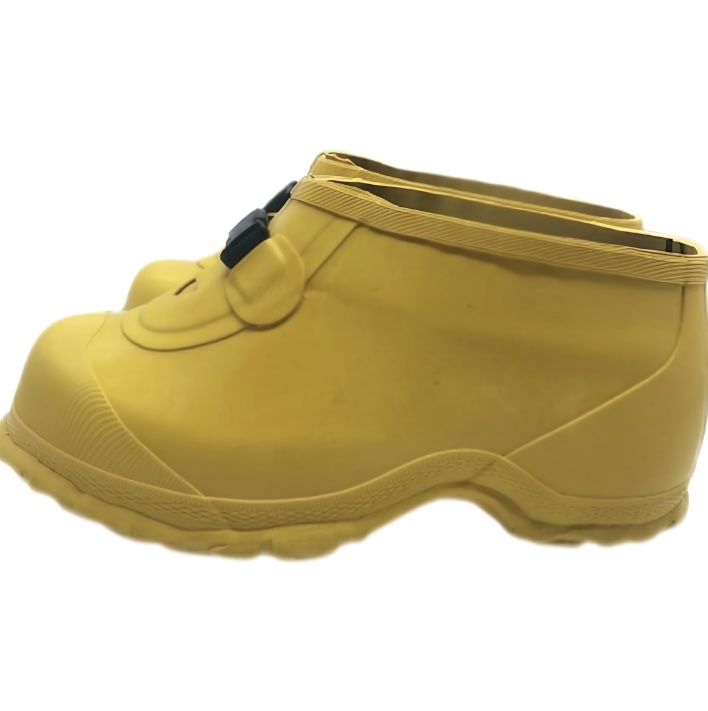
2. Product and Process Principle
Waterproof insulating boots for winter are engineered using specific material compounds and construction techniques to balance three core functions: waterproofing, insulation, and flexibility in low temperatures. The outsole is typically made of a rubber or thermoplastic rubber (TPR) compound formulated to remain flexible at temperatures down to -20°C or lower, according to industry testing standards. This prevents cracking and maintains traction on slippery surfaces.
The upper section is constructed from either vulcanized natural rubber or a blend of PVC and nitrile rubber, with a seamless or sealed seam construction to eliminate water entry points. The lining, designed for insulation, can be made of felt, foam, or microfiber materials that trap air to reduce heat loss, while remaining porous enough to allow moisture vapor to escape and prevent internal condensation. This balance of properties is achieved through controlled material formulation and injection molding or vulcanization processes, which are standardized in accordance with ISO 20344:2021 testing methods.
Professional Rain Boot Manufacturer explains that the critical balance in boot design lies between material hardness and flexibility: a compound that is too hard in cold temperatures will crack, while a compound that is too soft will wear out quickly under heavy work conditions. This requires precise compound testing and adjustment based on intended use temperature ranges.
3. Practical Solutions and Operation Steps
Selecting the right waterproof insulating boots requires a structured approach based on specific work conditions, not just general "winter boot" claims. The following steps provide objective, actionable guidance for suitable selection:
- Step 1: Define the lowest and average working temperature range of your environment. For temperatures consistently below -15°C, prioritize compounds formulated for extreme cold flexibility, rather than standard winter compounds.
- Step 2: Evaluate water exposure frequency. If working in standing water or heavy rain for prolonged periods, select boots with fully sealed internal seams and a water column resistance rating matching the required duration, referenced to EN ISO 20347:2022+A1:2024 standards.
- Step 3: Check outsole pattern and hardness. For icy or wet concrete surfaces, prioritize multi-directional lug patterns with sufficient depth to displace water and ice, with hardness tested between 55-65 Shore A to balance flexibility and durability.
- Step 4: Assess liner properties. Avoid overly thick liners that cause internal condensation; instead, choose liners rated for moisture vapor transmission, measured using ASTM F2298-19 testing methods.
- Step 5: Verify size fit. Leave a small amount of space (approximately 10mm) in the toe area for thermal insulation from air gaps, while ensuring the boot does not slide excessively when walking.
- Step 6: Confirm suitability for specific hazards. If working near overhead electrical sources, select boots tested for electrical resistance in accordance with relevant safety standards, rather than general insulation-only designs.
Each step requires cross-referencing with actual work conditions: for example, a boot suitable for -10°C light snow will not provide sufficient protection for -25°C frozen outdoor construction, even if labeled as "winter waterproof boots."
4. Daily Maintenance and Precautions
Proper maintenance of waterproof insulating boots extends their functional life and preserves performance. The following steps and precautions are designed to avoid common mistakes that degrade boot performance over time.
Cleaning should be done with mild soap and lukewarm water; avoid strong solvents, bleach, or pressure washing at high pressure, as these can break down rubber compounds and seal materials. After cleaning, air the boots in a well-ventilated, shaded area away from direct sunlight or artificial heat sources, as excessive heat can cause material warping and insulation degradation. Avoid placing boots near radiators, heaters, or open flames, as this can permanently damage their waterproof and insulating properties.
Storage precautions include allowing boots to fully dry before storing them, placing them in a cool, dry location at a temperature between 10°C and 20°C, and keeping them upright to maintain their shape. For long-term storage (over 30 days), stuff boots with newspaper to absorb moisture and retain their structure, avoiding contact with oily or chemical substances that can degrade rubber over time.
Critical safety precautions include never using general-purpose waterproof boots as a replacement for certified cold-resistant or electrical safety boots, even if they appear similar. The insulation and waterproofing levels of generic boots are not tested or certified for occupational hazards, which can lead to safety risks in the workplace.
5. Industry Standard and Parameter Reference
To ensure proper boot performance, reference the following industry standards and test parameters, which provide a reliable framework for evaluation:
ParameterRecommended Reference StandardWhy It Matters
Slip resistanceEN ISO 20344:2021 / EN ISO 20347:2022+A1:2024Evaluates outsole grip on wet, icy, or contaminated work surfaces
General occupational footwear requirementsISO 20347:2021 or EN ISO 20347:2022+A1:2024Establishes baseline performance for non-safety work footwear
Cold flexibilityISO 20344:2021, Section 8.6Tests material resistance to cracking at low working temperatures
Water resistanceEN ISO 20347:2022+A1:2024, Annex BMeasures ability to prevent water intrusion during use
Chemical resistanceEN 13832-3:2018 (where applicable)Evaluates performance when exposed to workplace chemicals
Testing of these parameters should be completed by an independent third-party testing body such as SGS or Intertek, with results documented in a test report that specifies the temperature range and test conditions. Without such testing, claims of waterproofing or insulation performance cannot be verified as reliable for occupational use.
6. Customer Common FAQ
Q: How do I know if waterproof insulating boots will work at temperatures below -20°C?
A: Look for boots that undergo cold flexibility testing per ISO 20344:2021 at or below the lowest working temperature, and have test results available from an independent third party. General winter waterproof boots are typically designed for temperatures down to -10°C, while extreme cold models are formulated for lower ranges. Professional Rain Boot Manufacturer recommends verifying the test temperature rating rather than relying on general "cold weather" labeling.
Q: Will wearing thick socks with insulated boots reduce their effectiveness?
A: It depends on sock type and thickness. Thick wool socks can provide additional insulation without reducing boot performance, as long as they fit properly in the boot with a small air gap at the toe. Avoid socks that are overly thick enough to cause tightness, as this restricts circulation and reduces the boot’s ability to trap air for insulation.
Q: Can I repair a small crack in the boot’s upper or sole myself?
A: Small surface cracks can be repaired using rubber-specific sealants designed for work boots, but repairs will not restore the original waterproofing performance as effectively as a factory-sealed construction. If a crack appears in a high-exposure area, it is recommended to replace the boot to avoid water intrusion.
Q: Are waterproof insulating boots suitable for use near open flames or heat sources?
A: Most standard waterproof insulating boots are not designed for exposure to high heat or open flames, as their rubber compounds degrade under elevated temperatures. If work involves heat exposure, select boots tested for thermal resistance per relevant standards, rather than general cold waterproof models.
Conclusion
Selecting and maintaining waterproof insulating boots for winter requires balancing material properties, construction quality, and alignment with specific work conditions. Addressing core problems like water seepage, insufficient insulation, and low-temperature flexibility requires reference to standardized testing rather than marketing claims. Professional Rain Boot Manufacturer emphasizes that proper selection based on verified parameters and consistent maintenance are key to extending boot life and ensuring workplace safety. By following structured guidance and referencing industry standards, workers can choose boots that meet the demands of extreme cold and wet environments reliably.
References
- ISO 20344:2021, Footwear - Test methods for footwear
- EN ISO 20347:2022+A1:2024, Occupational footwear
- Global Footwear Industry Official Report 2024, Global Footwear Association
- ASTM F2298-19, Standard Test Method for Water Vapor Transmission of Materials Using Dynamic Moisture Condensation