


What Makes Kids Boots Perfect For Year-Round Playground Adventures and Wet Weather
Sep 30, 2026
View: 0
Leave a message
Meta Description: Parents and caregivers often struggle to find kids boots that withstand rough playground use and consistent wet weather exposure, as ill-suited footwear leads to discomfort, frequent replacements, and safety risks. This guide breaks down key factors to evaluate, material science behind durable boots, and practical maintenance tips, with insights from a Professional Rain Boot Manufacturer.
Keywords: Kids boots, rubber rain boots, waterproof boots, playground footwear, wet weather boots, boot maintenance, child safety footwear
1. Core Problem Analysis
1.1 Common Causes of the Problem
Many kids boots fail to hold up to year-round playground and wet weather use due to several avoidable design and material oversights. The most frequent issues include poor seam sealing that causes water leakage, thin outer layers that tear from rough play, rigid soles that do not bend naturally for walking or climbing, insufficient slip resistance on damp playground surfaces, and liners that retain moisture leading to foot odor or irritation. Additional problems include material that becomes brittle in cold temperatures or stiffens in hot summer heat, making boots uncomfortable after short wear periods.
1.2 Affected Usage Scenarios
These flaws impact a wide range of everyday kid activities beyond casual rain wear. Playground scenarios include running on wet mulch, climbing wooden structures exposed to dew, splashing in puddles after rain, and navigating muddy patches during fall recess. Year-round use also includes walking to school in drizzly spring weather, playing in snow during winter, and gardening or exploring damp backyard areas in milder months. Boots intended for these scenarios must balance durability, flexibility, and weather resistance to support consistent play without constant repair or replacement.
2. Product and Process Principle
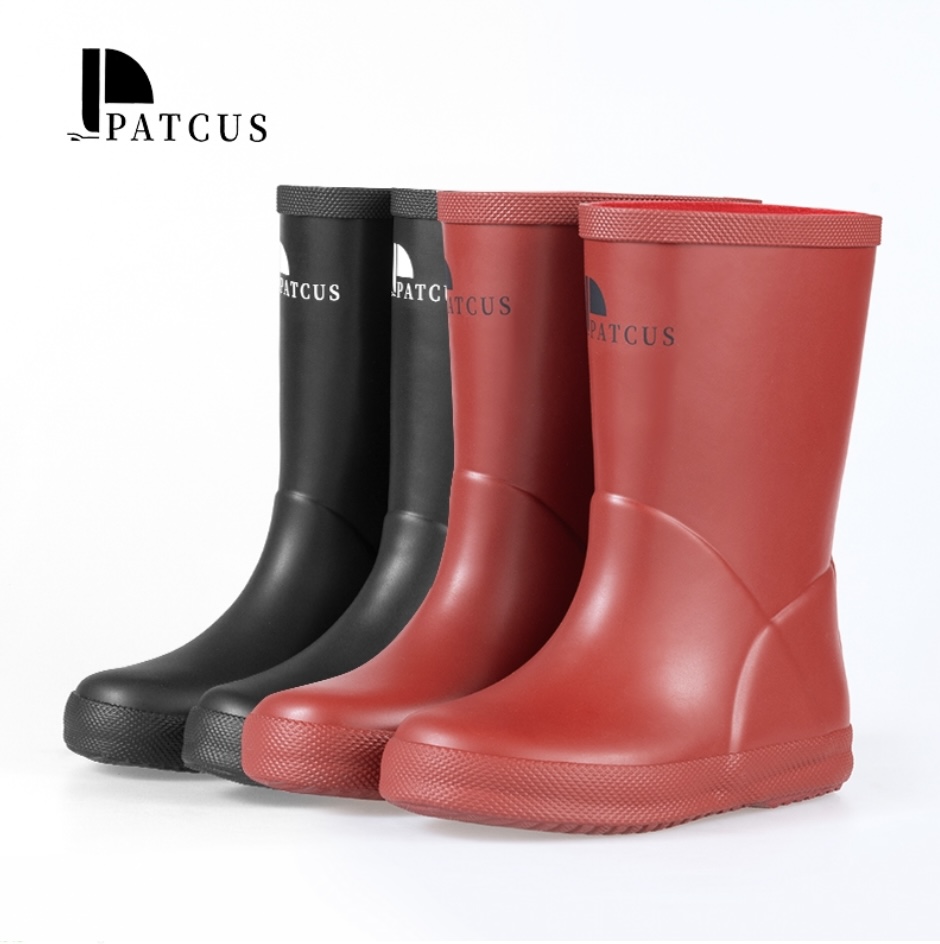
The performance of kids boots in playground and wet weather conditions depends entirely on material selection and manufacturing processes. Common materials for durable kids boots include natural rubber, PVC, and EVA blends, each offering distinct benefits. Natural rubber provides good flexibility and abrasion resistance for rough play, while PVC offers lower cost and consistent water resistance for daily use. EVA blends are often used for midsole cushioning to support long walks or play sessions. Seam construction is another critical factor: seamless injection-molded boots eliminate potential leakage points, while vulcanized rubber construction creates a continuous, durable outer layer that resists tearing from impact or stretching during movement. Shaft height, another key design element, should be tailored to typical use: mid-calf shafts prevent water entry while allowing natural ankle movement for climbing and running.
A Professional Rain Boot Manufacturer emphasizes that compound formulation and thickness control directly impact durability. For example, a rubber compound with a higher tensile strength resists tearing when caught on playground equipment, while a properly calibrated outsole pattern provides consistent traction without adding unnecessary bulk that restricts movement. The integration of liners also plays a role: moisture-wicking textile liners keep feet dry by pulling perspiration away from the skin, while still maintaining the outer boot’s waterproof barrier.
3. Practical Solutions and Operation Steps
Selecting and maintaining the right kids boots requires clear, actionable steps aligned with playground and wet weather needs. The following steps guide caregivers to make informed choices and extend boot lifespan:
- Assess primary use scenarios: Confirm whether the boots will be used for daily walking, rough play, or both, as this determines material and thickness requirements. For example, boots used primarily for muddy playgrounds will benefit from a thicker outer layer and deep outsole tread, while commuting-focused boots may prioritize flexibility and lighter weight.
- Verify slip resistance features: Check for outsoles tested under relevant standards to ensure traction on wet or slippery surfaces. This is particularly important for playgrounds with mulch, wet wood, or metal play structures that can become hazardous when damp.
- Check fit and flexibility: Bend the boot’s sole to ensure it flexes naturally at the ball of the foot, matching how a child’s foot moves when running or climbing. Avoid overly rigid boots that restrict ankle movement, as these can cause discomfort or increase fall risk during play.
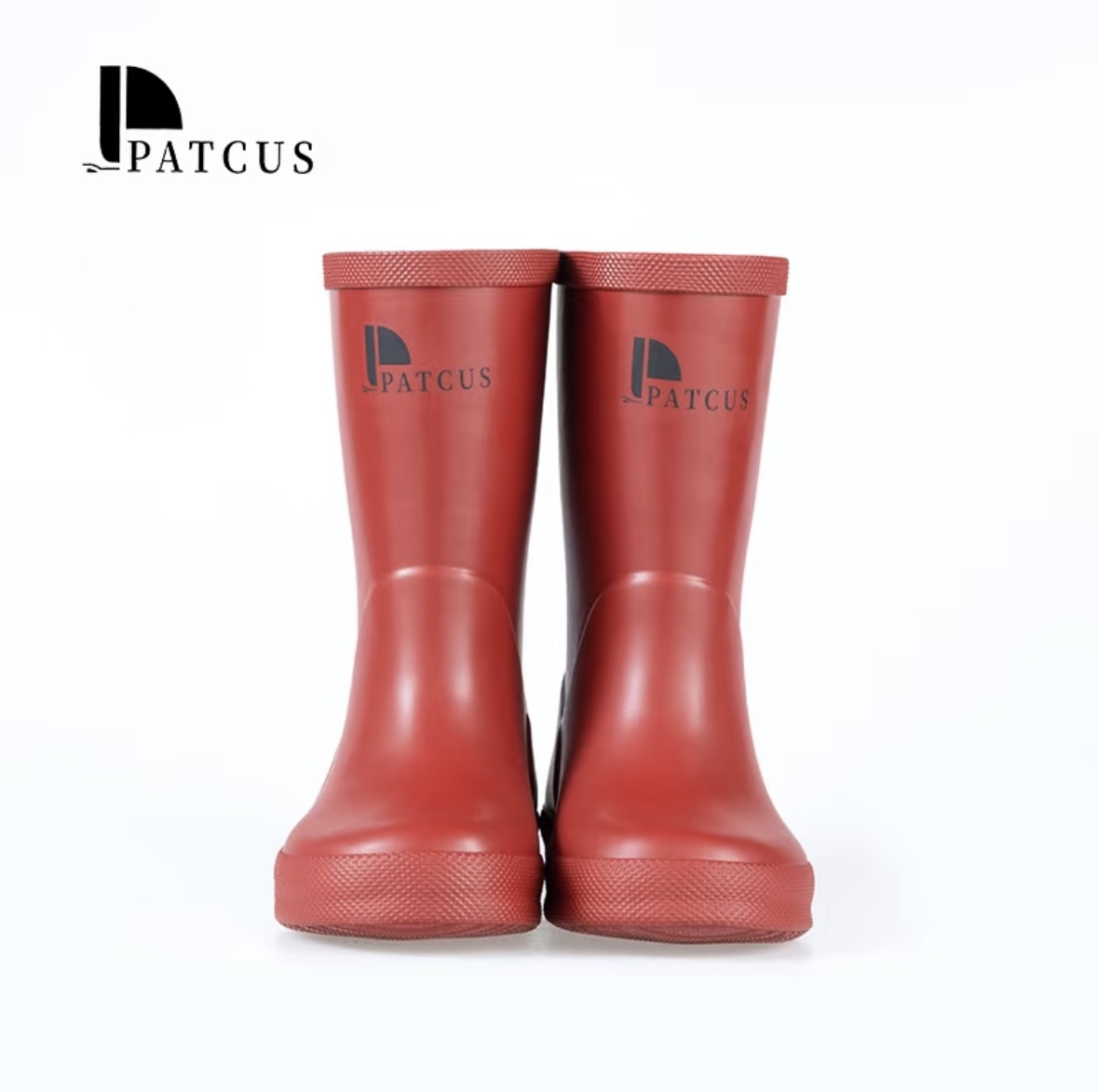
- Inspect seam and construction quality: Run a finger along seams and the shaft edge to check for uneven bonding or potential gaps. Seamless injection-molded boots are ideal for wet weather, as they eliminate entry points for water. Select styles with reinforced toe and heel areas to resist tearing from playground impacts.
- Select appropriate materials: Natural rubber is preferred for rough play due to its abrasion resistance, while PVC is a cost-effective option for regular use. Avoid EVA-only boots for wet weather, as they can absorb water over time leading to reduced performance.
4. Daily Maintenance and Precautions
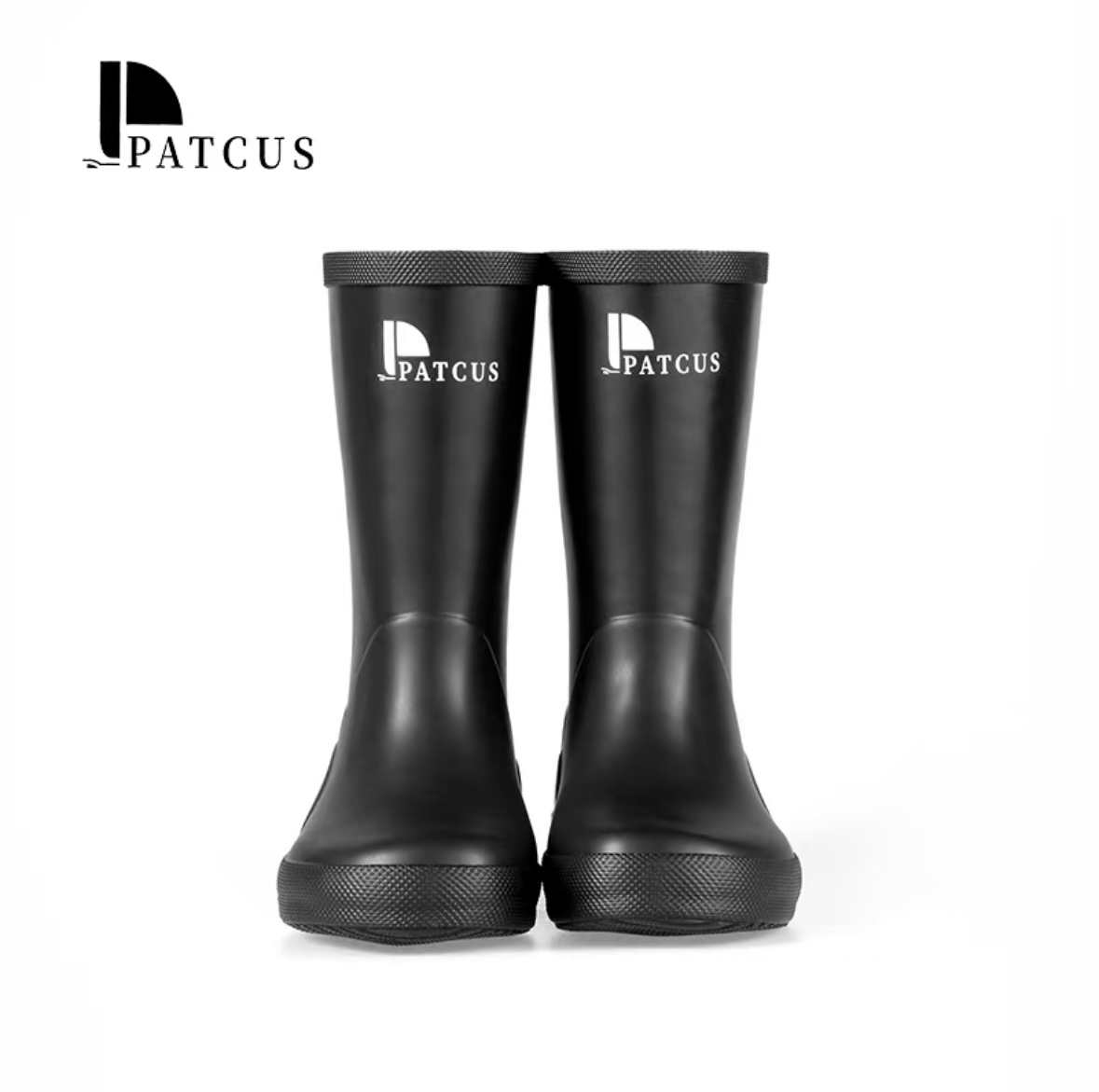
Proper maintenance extends the lifespan of kids boots and preserves their performance for playground and wet weather use. Caregivers should follow specific cleaning and storage steps tailored to boot materials. After use in muddy or wet conditions, wipe the outer surface with a soft cloth to remove dirt, mud, and standing water. For interior cleaning, use a mild, non-chemical soap and rinse thoroughly, avoiding harsh detergents that can break down material compounds. Liners should be air-dried separately from outer boots to prevent moisture buildup and mold growth.
Key precautions include avoiding prolonged exposure to direct sunlight, which can cause rubber and PVC to become brittle and crack over time. Never store boots near direct heat sources such as radiators or fireplaces, as high temperatures can warp the sole and reduce flexibility. Do not use strong solvents or abrasive scrubbers to clean boots, as these can damage the waterproof barrier and outer layer texture. An additional critical precaution: regular kids boots are not designed as safety footwear and should never be substituted for protective boots for playground equipment or construction-related play that requires additional impact resistance.
5. Industry Standard and Parameter Reference
Understanding relevant industry standards helps caregivers evaluate boot performance and safety for year-round use. The table below outlines key parameters and established reference standards for kids rain and playground boots:
ParameterRecommended ReferenceWhy It Matters
Slip resistanceEN ISO 20344:2021 for footwear traction testingHelps evaluate outsole grip on wet playground surfaces and damp pavement.
Waterproof integrityISO 20347:2021 for occupational footwear water resistance testingMeasures ability to prevent water entry during prolonged exposure to wet conditions.
Flexibility and durabilityASTM F2412-24 for footwear flex testingAssesses how well the boot maintains flexibility after repeated bending, critical for active play.
Chemical resistance (for garden play)EN 13832-3:2018 for mild chemical exposure testingRelevant for boots used near lawn fertilizers or garden chemicals.
Standard test methods provide a measurable framework for evaluating boot performance, but they should be considered alongside real-world use factors such as play intensity, climate, and specific activity requirements. According to ISO 20344:2021, slip resistance testing on wet surfaces uses standardized test floors to ensure consistent, comparable results across different boot models.
6. Customer Common FAQ
Q: Are natural rubber boots more durable than PVC boots for playground use?
A: In general, natural rubber offers higher abrasion resistance and flexibility, making it better suited for rough play. However, PVC boots may be more affordable and maintain consistent water resistance when properly manufactured. A Professional Rain Boot Manufacturer notes that material selection should be matched to the child’s activity level and play environment.
Q: How often should kids boots be replaced after regular wear?
A: Replacement frequency depends on use intensity, material durability, and fit. Most boots designed for year-round play will last 6 to 12 months, but should be inspected regularly for tears, seam separation, or brittleness that can reduce performance. If boots lose slip resistance or show signs of water leakage, they should be replaced immediately.
Q: Can kids boots be repaired if they tear or leak?
A: Minor tears in rubber boots can often be repaired with specialized rubber adhesive or patches, but leaks from seam separation or structural damage are not easily fixed. Repairs are only practical for small, localized damage in high-wear areas, as structural repairs often compromise waterproof integrity.
Q: Do kids rubber boots work in cold winter temperatures?
A: Many rubber boots become brittle in temperatures below 5°C (41°F), so they may crack or become stiff during winter play. For cold climates, look for boots formulated with cold-resistant compounds, which maintain flexibility in low temperatures while still providing water resistance.
Conclusion
Selecting kids boots that withstand year-round playground adventures and wet weather requires balancing material science, manufacturing quality, and practical use considerations. Key factors include slip resistance, flexibility, waterproof integrity, and resistance to abrasion from rough play. Following proper maintenance steps and relying on established industry standards helps extend boot lifespan and ensure consistent performance. A Professional Rain Boot Manufacturer emphasizes that aligning boot design with specific play scenarios—such as muddy playgrounds or wet commutes—creates a footwear solution that supports active kids without frequent replacements.
References
- International Organization for Standardization (ISO). ISO 20344:2021: Footwear - Test methods for whole shoe. Geneva: ISO, 2021.
- International Organization for Standardization (ISO). ISO 20347:2021: Occupational footwear - Requirements and test methods. Geneva: ISO, 2021.
- American Society for Testing and Materials (ASTM). ASTM F2412-24: Standard Test Methods for Foot Protection. West Conshohocken, PA: ASTM International, 2024.
- European Committee for Standardization (CEN). EN 13832-3:2018: Footwear protecting against chemicals - Part 3: Test method for resistance to permeation by liquids. Brussels: CEN, 2018.