


Why Waterproof Insulating Boots Are a Must-Have for Extreme Winter Work Conditions
Sep 17, 2026
View: 0
Leave a message
Meta Description: In extreme winter work conditions, waterproof insulating boots are essential. This article analyzes common problems, explains the material and process principles, and provides practical solutions. It also covers daily maintenance, industry standards, and common FAQs. Professional Rain Boot Manufacturer offers valuable insights for those in need.
Keywords: waterproof insulating boots, winter work, rain boots material, boot process, boot maintenance
1. Core Problem Analysis
1.1 Common Causes of the Problem
When users search for waterproof insulating boots for winter, they often aim to solve several issues. Firstly, in cold and wet winter work conditions, feet are prone to getting wet. If the boots are not waterproof, water can seep in, leading to cold feet and potential health problems such as frostbite. Secondly, the insulation of boots is crucial. Poor insulation can result in feet losing heat quickly, causing discomfort and reduced work efficiency. Additionally, wear and tear of boots are also common concerns. In winter, the materials of boots may become more brittle due to low temperatures, increasing the risk of cracking and damage. Moreover, the grip of boots on slippery winter surfaces like ice and snow is a significant problem. Insufficient slip resistance can lead to falls and injuries.
1.2 Affected Usage Scenarios
These problems affect various work scenarios in winter. For example, in farming, workers need to move around in muddy and wet fields, where waterproof and insulating boots are necessary to keep feet warm and dry. In gardening, similar wet and cold conditions require proper foot protection. Food processing industries often have wet floors, and workers need boots that can prevent water from seeping in and provide warmth. Fishing involves working in and around water, making waterproof and insulating boots essential. Rainy commuting, whether on foot or by bike, requires boots that can withstand the wet conditions and keep feet insulated. Warehouse cleaning may also involve standing on wet floors for long periods, calling for boots with good waterproof and insulating properties. Livestock work, where workers may need to stand in muddy or wet areas, also demands suitable boots. Muddy outdoor work in general, such as construction and road maintenance, requires boots that can handle the harsh winter environment.
2. Product and Process Principle
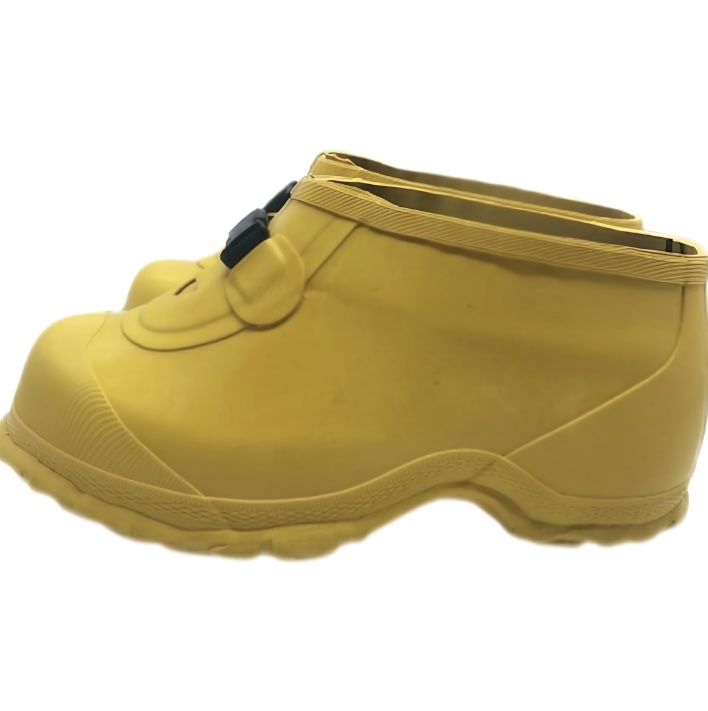
Waterproof insulating boots are made using a variety of materials and processes. The materials commonly used for the outer layer include natural rubber, which offers excellent waterproofing and durability. It is a traditional choice for rain boots as it can create a seamless and waterproof barrier. PVC is another popular material. It is cost - effective and can be made flexible through the use of additives. It is also easy to clean and maintain. EVA is known for its lightweight and good insulating properties, making it suitable for boots where weight is a concern. The outsole pattern is designed to provide good slip resistance on winter surfaces. Deep and wide grooves can help to channel water, slush, and snow away from the sole, maintaining contact with the ground. Shaft height is important as it can protect the lower part of the leg from water and snow. Linings are often used to enhance insulation and comfort. Materials like plush fleece or wool can trap heat and keep feet warm. As a Professional Rain Boot Manufacturer, understanding these materials and their combinations is crucial in the production of high - quality waterproof insulating boots. The manufacturing process includes injection molding, which is a common method for making boots using PVC or other thermoplastic materials. This process involves heating the material until it becomes molten and then injecting it into a mold. Vulcanization is another important process, especially for boots made of natural rubber. It involves heating the rubber with sulfur or other additives to improve its strength, flexibility, and durability. Seam - free structures can be created to enhance waterproofing by reducing the number of potential leakage points. Thickness control is also important to ensure that the boots provide adequate insulation while maintaining a reasonable weight. Compound formulation is the art of combining different materials and additives to achieve the desired properties of the boots, such as waterproofness, insulation, and durability.
3. Practical Solutions and Operation Steps
When choosing waterproof insulating boots for winter, consider the following steps. For material selection, if you need long - term durability and excellent waterproofing, natural rubber boots are a good choice, although they may be heavier and more expensive. PVC boots are more cost - effective and lightweight, suitable for less demanding work. EVA boots are ideal for short - term use and when weight is a major concern. For shaft height, if you are working in deep snow or water, choose high - shaft boots. For normal wet conditions, mid - shaft or low - shaft boots may be sufficient. Consider the outsole pattern. Look for patterns with deep grooves and aggressive treads for better slip resistance on snow and ice. In terms of lining, a thick and warm lining like fleece or wool can keep your feet warm in cold temperatures. When it comes to sizing, allow some extra room for thick socks, which are often necessary in winter. Measure your feet accurately and try on the boots to ensure a proper fit. Ask about the cold - rating of the boots. Boots with a lower temperature rating are more suitable for extremely cold conditions. Check the slip - resistance rating, which can be determined by standards such as EN ISO 20344:2021 or relevant industry tests. For cleaning, use a mild soap and water to clean the boots. Avoid using harsh chemicals that may damage the material. After cleaning, let the boots dry naturally in a well - ventilated area away from direct heat sources. For storage, it is advisable to store the boots in a cool, dry place. Stuffed with shoe trees or rolled - up towels can help maintain their shape.
4. Daily Maintenance and Precautions
Daily maintenance of waterproof insulating boots is essential to ensure their longevity. For cleaning, use a soft brush or cloth to remove dirt and debris from the boots. Apply a mild soap solution to the dirty areas and gently scrub. Rinse thoroughly with water to remove all the soap. Never soak the boots for a long time, as it may damage the material. After cleaning, dry the boots in a well - ventilated area at room temperature. Do not expose them to direct sunlight for a long time, as this can cause the material to harden and crack. Do not place the boots near a high - temperature heat source, such as a radiator or a heater, as this can also lead to material damage. To prevent odor, sprinkle some baking soda inside the boots and let it sit overnight. Then shake out the baking soda. For preventing aging, store the boots in a shaded and dry place. An aging inhibitor can be applied if recommended by the manufacturer. To prevent deformation, use shoe trees or stuff the boots with rolled - up towels when storing them. In case of chemical contact, immediately rinse the boots with a large amount of water. Read the manufacturer's instructions carefully to determine if further treatment is required. Remember, do not use regular rain boots instead of certified safety boots in workplaces where safety requirements are high. Regular rain boots may not provide the necessary protection against certain hazards, such as electrical shock or punctures.
5. Industry Standard and Parameter Reference
This chapter is the authoritative support module of the full - text, which must closely list international standards, test methods, or verifiable parameters related to the article's theme. It is preferred to use a table.
ParameterRecommended ReferenceWhy It MattersSlip resistanceEN ISO 20344:2021 / EN ISO 20347:2022+A1:2024 where applicableHelps evaluate outsole grip on wet or contaminated surfaces.Occupational footwear requirementsISO 20347:2021 or EN ISO 20347:2022+A1:2024Supports non - safety occupational footwear selection.Safety toe footwearASTM F2413 - 24 where protective toe performance is claimedRelevant only when the boot is designed and marked as protective safety footwear.Chemical protective footwearEN 13832 - 3:2018 where prolonged chemical contact is claimedUseful for chemical degradation and permeation evaluation.Insulation performanceASTM F1868 - 24 measures the insulating value of footwear in cold environmentsEnsures the boots can keep feet warm in specified low - temperature conditions.WaterproofnessStatic immersion test: soaking the boot in water for 30 minutes with the water level above the sole, and there should be no water seeping inside; dynamic flexing test: simulating walking in water for a certain number of times with no leakage at the sole - upper jointEssential for maintaining dry feet in wet winter conditions.
Do not invent exact performance numbers. Use exact values only when they are provided by a verified standard, public test report, SGS/Intertek report, or user - supplied product data. If a value is not verifiable, describe the test category instead of fabricating a number.
6. Customer Common FAQ
Q: Which material is better for winter waterproof insulating boots, natural rubber or PVC?
A: Natural rubber offers excellent durability and waterproofing, and it remains flexible in low temperatures. However, it is heavier and more expensive. PVC is more cost - effective and lightweight, but it may become brittle in extremely cold weather. The choice depends on your specific needs and budget. A Professional Rain Boot Manufacturer can provide more detailed information based on your requirements.
Q: How can I ensure the boots have good slip resistance?
A: Look for boots with outsoles that meet the EN ISO 20344:2021 or relevant slip - resistance standards. Check the outsole pattern; deep grooves and aggressive treads are usually better for grip on snow and ice.
Q: What size should I choose for winter boots?
A: Measure your feet accurately. In winter, you need to wear thick socks, so it's advisable to choose a size that allows some extra room. Try on the boots with the thick socks you plan to wear in winter to ensure a proper fit.
Q: How to deal with the odor inside the boots?
A: Sprinkle some baking soda inside the boots and let it sit overnight. Then shake out the baking soda. You can also place activated charcoal bags inside the boots to absorb the odor.
Q: Can the boots crack in extremely cold weather?
A: Some materials, such as PVC, may become brittle and crack in extremely cold weather. Natural rubber and some high - quality synthetic materials are more resistant to cold cracking. Check the cold - rating of the boots and choose a suitable one for your working environment.
Conclusion
The key points of this article include understanding the common problems of waterproof insulating boots in winter, such as wet feet, heat loss, wear and tear, and poor slip resistance. We have explored the material and process principles, including the use of natural rubber, PVC, EVA, and various manufacturing processes. Practical solutions for selection, cleaning, and storage have been provided, along with daily maintenance and precautions. Industry standards help ensure the quality and performance of the boots. A Professional Rain Boot Manufacturer can offer valuable guidance in choosing the right boots for your winter work conditions, taking into account factors such as material, size, and performance requirements.
References
- ISO 20344:2021, Footwear Test Methods
- ISO 20347:2021, Occupational Footwear
- EN ISO 20347:2022+A1:2024, Safety footwear - Requirements, testing and marking
- ASTM F2413 - 24, Standard Specification for Performance Requirements for Protective Toe Footwear
- ASTM F1868 - 24, Standard Test Method for Measuring the Insulating Value of Footwear in Cold Environments