


Why Wholesale Women’s Latex Rain Boots Perform Well Under Wet Conditions
Aug 13, 2026
View: 1
Leave a message
Meta Description: This article delves into why wholesale women's latex rain boots perform well in wet conditions. It's tailored for B2B buyers, end - users, and those curious about rain boots. It covers product knowledge, material principles, and usage tips. Professional Rain Boot Manufacturer
Keywords: Women Latex Boots, Rain Boots, Waterproof Boots, Rubber Boots, Latex Material, Boot Maintenance, Boot Selection
1. Core Problem Analysis
1.1 Common Causes of the Problem
When users search for women's latex rain boots, they often aim to solve several key issues. One of the most prevalent problems is water leakage. Low - quality materials or improper manufacturing processes can lead to gaps or weak seams in the boots, allowing water to seep in. Another concern is the lack of comfort. Latex boots that are too tight can cause discomfort and restrict blood circulation, while overly loose ones may not provide proper support. Additionally, foot odor can be a problem, especially if the boots do not allow for adequate ventilation. Material aging is also a factor, as latex can degrade over time, losing its elasticity and waterproofing properties.
1.2 Affected Usage Scenarios
These issues can significantly impact various usage scenarios. For rainy commuting, water - leaking boots can make the feet wet and cold, leading to discomfort and potentially health problems. In gardening or farming, the boots need to be durable and waterproof to protect the feet from mud, water, and sharp objects. In food processing or fishing industries, where the environment is often wet and slippery, the boots should have excellent slip - resistance and be easy to clean. Warehouse cleaning and livestock work also require boots that can withstand long - term use in wet and dirty conditions.
2. Product and Process Principle
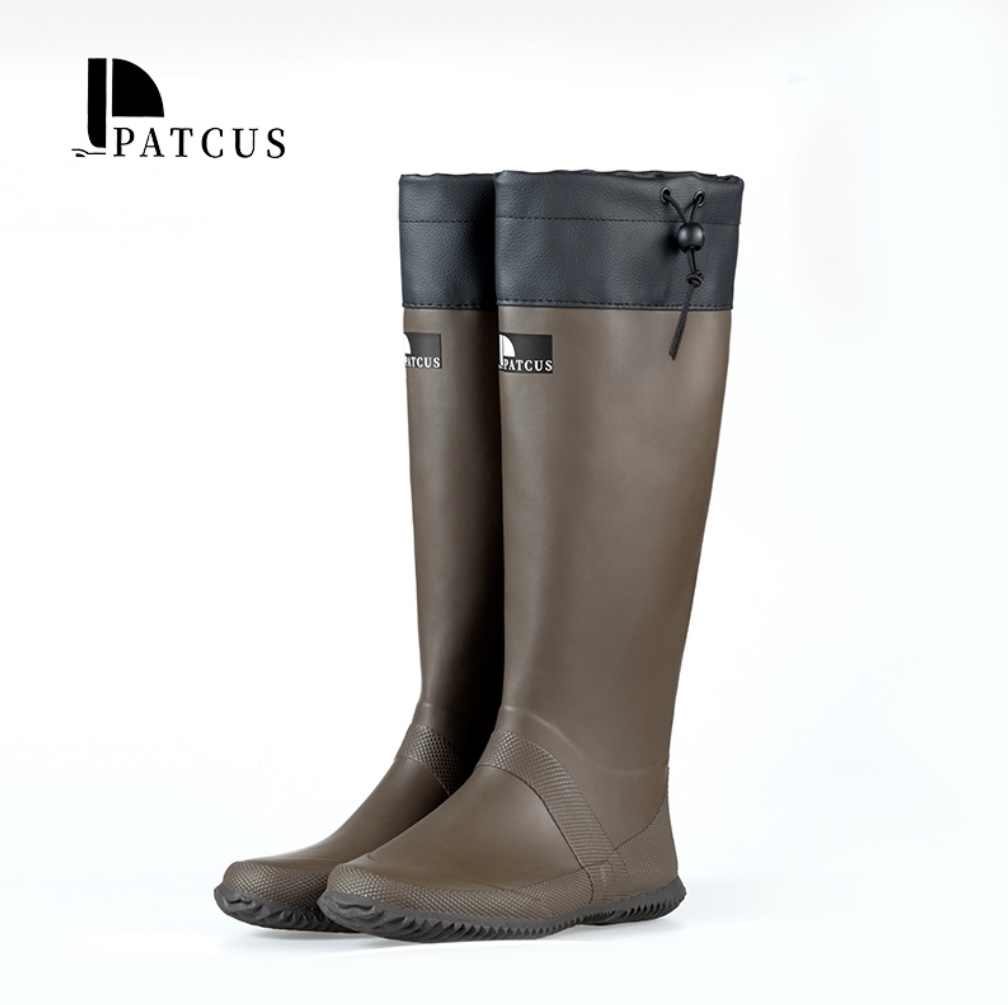
Women's latex rain boots are typically made from latex, a natural rubber material. Latex has excellent elasticity, which allows the boots to conform to the shape of the foot, providing a snug and comfortable fit. Its molecular structure is tightly packed, creating a waterproof barrier that effectively prevents water from penetrating. The manufacturing process of latex rain boots often involves dipping a boot - shaped mold into a latex solution. This dipping process can be repeated several times to build up the desired thickness of the boot. Professional Rain Boot Manufacturer may use advanced dipping techniques to ensure consistent thickness throughout the boot, enhancing its durability. Some manufacturers also incorporate additives into the latex to improve its properties, such as increasing its resistance to UV rays, ozone, and chemicals. The sole of the boot is an important component as well. It is usually made of a different rubber compound that is designed for better traction. The outsole pattern, which can be in the form of lugs, grooves, or ridges, is engineered to provide grip on wet and slippery surfaces. The shaft height of the boots can vary, depending on the intended use. Taller shafts offer more protection against water splashes and mud, while shorter shafts are more suitable for light - duty tasks or when mobility is a priority.
3. Practical Solutions and Operation Steps
When choosing women's latex rain boots, consider the following steps:
- Material Selection: Look for boots made from high - quality natural latex. Check for any signs of impurities or inconsistent color in the latex, as these may indicate lower quality. Some manufacturers also offer boots made from a blend of latex and other polymers, which can enhance certain properties such as durability or flexibility.
- Shaft Height: For activities where you may encounter deep water or mud, such as farming or fishing, opt for boots with a taller shaft, usually around 15 - 20 inches. For rainy commuting or light gardening, a shorter shaft of 8 - 12 inches may be sufficient.
- Outsole Pattern: Choose an outsole pattern that is suitable for the intended surface. For wet and slippery surfaces, a deep - lug pattern provides better traction. If you will be walking on a variety of surfaces, a multi - directional pattern may be more versatile.
- Lining: Some latex rain boots come with a lining, which can enhance comfort and reduce friction. Cotton or synthetic linings are common options. A breathable lining can also help reduce foot odor.
- Size Selection: Measure your feet accurately and refer to the manufacturer's size chart. It's important to have a proper fit, as too tight boots can cause discomfort, and too loose boots may not provide the necessary support. Consider trying on the boots if possible, or order from a retailer with a good return policy.
- Flexibility and Stiffness: Bend the boot to assess its flexibility. You want a boot that is flexible enough to allow natural foot movement but also stiff enough to provide support. This is especially important if you will be on your feet for long periods.
4. Daily Maintenance and Precautions
To keep your women's latex rain boots in good condition, follow these maintenance tips:
- Cleaning: After each use, rinse the boots with clean water to remove dirt, mud, and other debris. Use a mild soap if necessary, but avoid using harsh chemicals or abrasive cleaners, as they can damage the latex. Gently scrub the boots with a soft brush or cloth, and then rinse thoroughly.
- Drying: Allow the boots to dry naturally in a well - ventilated area, away from direct sunlight and heat sources. Do not use a dryer or place the boots near a radiator, as excessive heat can cause the latex to crack and lose its elasticity.
- Odor Removal: If the boots develop an odor, you can place a few dryer sheets or a small amount of baking soda inside the boots overnight. This can help absorb the odor.
- Storage: Store the boots in a cool, dry place. You can stuff the boots with newspaper or a boot tree to help them maintain their shape. Avoid folding or creasing the boots, as this can damage the latex.
- Precautions: Do not expose the boots to sharp objects, as they can puncture the latex. Also, avoid wearing the boots in extremely high - temperature environments, as this can cause the latex to degrade more quickly. Do not use the boots as safety boots unless they are specifically designed and certified for such use.
5. Industry Standard and Parameter Reference
This chapter serves as the authoritative support module of the full - text. Here are some international standards, test methods, or verifiable parameters related to women's latex rain boots:
ParameterRecommended ReferenceWhy It MattersSlip resistanceEN ISO 20344:2021 / EN ISO 20347:2022+A1:2024 where applicableHelps evaluate outsole grip on wet or contaminated surfaces.Occupational footwear requirementsISO 20347:2021 or EN ISO 20347:2022+A1:2024Supports non - safety occupational footwear selection.Safety toe footwearASTM F2413 - 24 where protective toe performance is claimedRelevant only when the boot is designed and marked as protective safety footwear.Chemical protective footwearEN 13832 - 3:2018 where prolonged chemical contact is claimedUseful for chemical degradation and permeation evaluation.WaterproofnessThere are various industry - specific tests to measure waterproofness, which typically involve subjecting the boots to a certain amount of water pressure for a specific period and checking for leaks. This is crucial for ensuring the boots can keep the feet dry in wet conditions.Determines the effectiveness of the boots in preventing water penetration, which is the primary function of rain boots.Elongation at break (for latex)Test methods can measure how much the latex can stretch before breaking. A higher elongation at break indicates better elasticity and durability of the latex material.Indicates the ability of the latex to withstand stretching forces during normal use without tearing.
Do not invent exact performance numbers. Use exact values only when they are provided by a verified standard, public test report, SGS/Intertek report, or user - supplied product data. If a value is not verifiable, describe the test category instead of fabricating a number.
6. Customer Common FAQ
Q: How do I choose the right material for women's latex rain boots?
A: Look for high - quality natural latex. You can also consider blends with other polymers for enhanced properties. Check for a smooth and consistent texture, and avoid boots with visible impurities. Professional Rain Boot Manufacturer can provide more detailed information about material specifications.
Q: Are latex rain boots slip - resistant?
A: Many latex rain boots are designed to be slip - resistant, especially those with a well - designed outsole pattern. However, the level of slip - resistance can vary. You can look for boots that meet the EN ISO 20344:2021 / EN ISO 20347:2022+A1:2024 standards for slip - resistance to ensure better performance on wet surfaces.
Q: How do I pick the correct size of women's latex rain boots?
A: Measure your feet accurately and refer to the manufacturer's size chart. Consider trying on the boots if possible. Also, take into account whether you will be wearing thick socks.
Q: Do latex rain boots have an odor?
A: New latex boots may have a slight odor. This can usually be reduced by airing them out in a well - ventilated area. You can also use methods like placing baking soda inside the boots overnight to help absorb the odor.
Q: Can I wear latex rain boots in cold weather?
A: Latex has some cold - resistance properties, but in extremely cold temperatures, it can become stiffer and more brittle. If you need to use the boots in cold weather, look for boots with additional insulation or consider wearing thick socks.
Conclusion
In summary, women's latex rain boots offer excellent performance in wet conditions due to the unique properties of latex and proper manufacturing processes. When choosing these boots, consider factors such as material, shaft height, outsole pattern, and size. Proper daily maintenance, including cleaning, drying, and storage, is crucial for prolonging the lifespan of the boots. Professional Rain Boot Manufacturer can provide valuable guidance on product selection and usage. By following the industry standards and considering the FAQs, you can make an informed decision when purchasing and using women's latex rain boots.
References
- ISO 20347:2021 Occupational Footwear
- EN ISO 20347:2022+A1:2024
- ASTM F2413 - 24 Protective Footwear Specification
- EN 13832 - 3:2018 Chemical Protective Footwear