


Women Latex Boots: Ideal Protection for Wet Outdoor Work and Daily Wear
Oct 12, 2026
View: 0
Leave a message
Meta Description: Wet outdoor work and daily commuting demand footwear that balances waterproofness, comfort, and durability. Women latex boots address common pain points of water leakage, slippery soles, and material degradation, making them a practical choice for muddy work sites and rainy urban trips. This guide covers material principles, selection tips, maintenance steps, and industry standards to help users make informed choices, from a Professional Rain Boot Manufacturer.
Keywords: women latex boots, waterproof work boots, wet weather footwear, rubber boot maintenance, slip-resistant work boots, occupational footwear
1. Core Problem Analysis
1.1 Common Causes of the Problem
Many women face three primary issues when choosing rain footwear: water seepage through seams, thin materials that tear after short use, and stiff designs that cause blisters during long wear. For wet outdoor work, these problems can lead to discomfort, reduced productivity, and even workplace safety risks. Other frequent complaints include odor buildup from trapped moisture, cracking due to sun exposure, and improper sizing that limits foot movement.
1.2 Affected Usage Scenarios
Women latex boots are designed to perform well in scenarios with prolonged exposure to moisture, including agricultural field work, food processing facility cleaning, livestock handling, rainy urban commuting, and recreational outdoor activities like fishing or hiking in wet terrain. They are suitable for both full-day work shifts and everyday wear, as their design balances functionality with aesthetic appeal for casual use.
2. Product and Process Principle
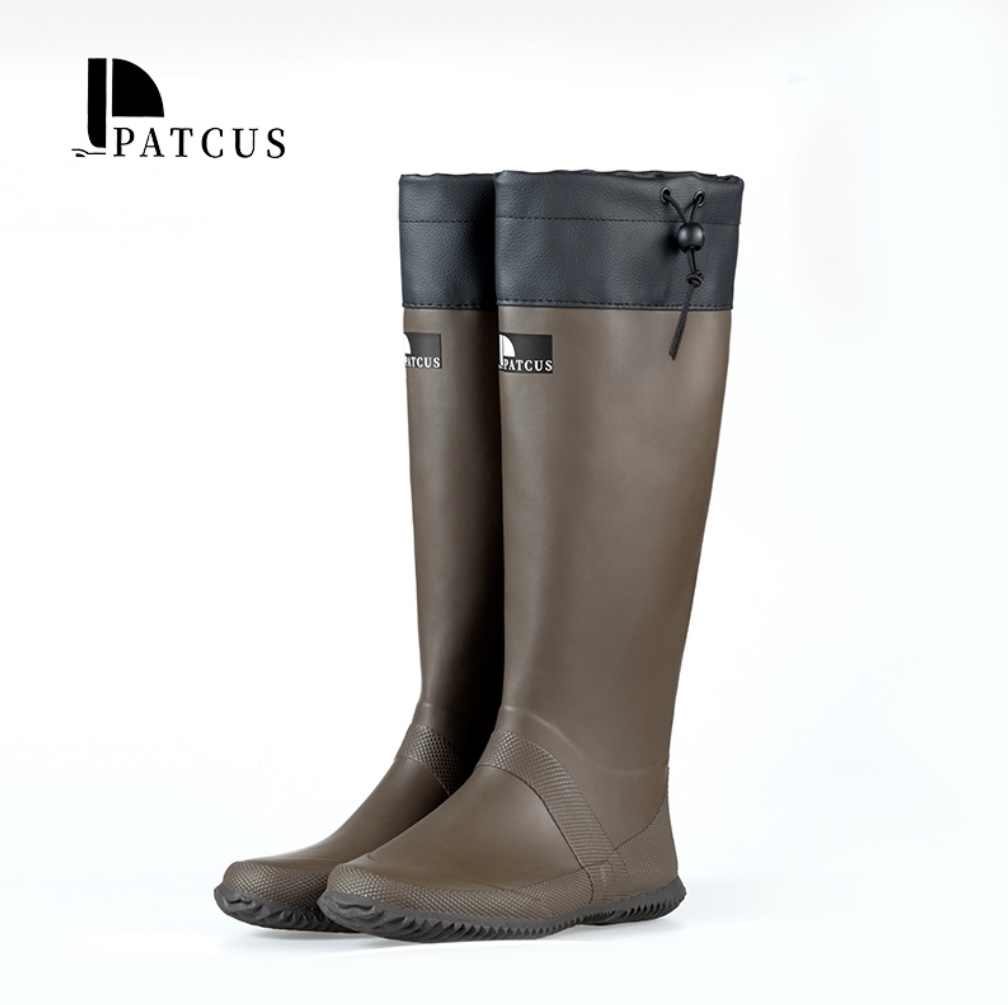
Latex, a natural rubber polymer, forms the core material of these boots, valued for its flexible, waterproof properties that distinguish it from synthetic alternatives like PVC. The production process typically includes injection molding for seamless structure, which eliminates weak points where leaks often occur. A Professional Rain Boot Manufacturer explains that compound formulation for women latex boots balances tensile strength, flexibility at low temperatures, and resistance to common workplace chemicals.
Key structural elements include a thick outsole with tread patterns designed for grip on wet or muddy surfaces, a tall shaft to protect lower legs from splashes, and a breathable fabric lining that reduces moisture buildup inside the boot. Vulcanization, a process that cures rubber under heat and pressure, enhances the material’s durability and resistance to abrasion, extending the boot’s service life for regular use.
3. Practical Solutions and Operation Steps
Selecting the right women latex boots requires matching the product to specific usage needs, with clear criteria for material, size, and features. Follow these actionable steps to make an appropriate choice:
- Determine the primary use case: For heavy outdoor work, prioritize boots with thick, deep-tread outsoles; for daily commute, choose a style with a slimmer profile for easy wear with various outfits.
- Check the shaft height: Shafts that reach just below the knee work for full leg protection, while mid-calf shafts suit milder wet conditions, avoiding excess bulk for casual wear.
- Verify outsole slip resistance: Look for boots with tread patterns suitable for wet, concrete, or muddy surfaces, referencing industry standards outlined later in this guide.
- Test size and fit: Ensure there is enough room for thick work socks if needed, without excessive space that can cause blisters during walking or standing for long periods.
- Avoid boots with added decorative elements that may weaken the structure, such as exposed stitching or thin plastic trim, which can tear under work conditions.
4. Daily Maintenance and Precautions
Proper maintenance extends the life of women latex boots, preserving their waterproof properties and structural integrity. After each use, remove dirt and mud with a soft brush and mild soap, avoiding harsh chemical cleaners that can degrade the latex material. Rinse with cool water and pat dry gently, then air in a well-ventilated area away from direct sunlight or heat sources like radiators, which can cause the rubber to crack.
Important precautions include not folding or bending the boots excessively when storing, as this can stress the material. Do not use latex boots as a substitute for certified safety footwear in industrial settings requiring impact or puncture protection, as they are not designed to meet those safety standards. For long-term storage, stuff the boots with paper towels to maintain their shape, and avoid storing them in damp, enclosed spaces that promote odor buildup.
5. Industry Standard and Parameter Reference
ParameterRecommended ReferenceWhy It Matters
Slip resistance for wet surfacesEN ISO 20347:2022+A1:2024Measures outsole performance on damp concrete and tile, critical for both work and daily wear.
Occupational footwear performanceISO 20347:2021Covers general requirements for non-safety work footwear, including waterproofness and flexibility.
Chemical resistance for work bootsEN 13832-3:2018Relevant when boots are used in environments with frequent exposure to mild workplace chemicals.
Low-temperature flexibilityISO 20344:2021 Section 7.5Tests whether latex remains flexible at temperatures down to -10°C, suitable for cool wet conditions.
Standard test methods for waterproofness, such as hydrostatic head testing per ISO 20344, evaluate the boot’s ability to prevent water penetration under pressure, helping users choose boots appropriate for heavy rain or submersion in mud.
6. Customer Common FAQ
Q: Are women latex boots suitable for use in cold weather?
A: This depends on the specific formulation of the latex material. Some products are designed to remain flexible at temperatures as low as -10°C, but they should not be exposed to temperatures below -15°C, as this can cause cracking. A Professional Rain Boot Manufacturer can provide detailed temperature resistance specifications based on intended use.
Q: How do I remove odors from worn latex boots?
A: After cleaning and drying the boots, sprinkle a small amount of baking soda inside, close the shaft with a plastic bag, and let it sit for 12 to 24 hours. Empty the baking soda and brush out any residue, ensuring the boots are fully dry before storing to prevent future odor buildup.
Q: Can women latex boots be repaired if they develop small tears?
A: Minor surface tears in latex can be repaired using a rubber adhesive designed for natural rubber products. Follow the adhesive manufacturer’s instructions, ensuring the area is clean and dry before application. For tears larger than 2 centimeters, replacement is recommended to maintain waterproofness.
Q: What is the difference between latex boots and PVC rain boots?
A: Latex is a natural rubber material that offers better flexibility and breathability than rigid PVC. Latex boots are lighter and more comfortable for all-day wear, but they may have slightly lower resistance to certain harsh chemicals compared to high-quality PVC formulations.
Conclusion
Women latex boots provide reliable protection for wet outdoor work and daily wear, addressing common pain points like water leakage, slippery soles, and material degradation. By understanding material properties, production principles, and industry standards, users can select boots that match their specific needs. Proper maintenance ensures these boots remain functional and durable over time. A Professional Rain Boot Manufacturer offers valuable guidance on balancing comfort, performance, and practicality for both work and casual use.
References
- International Organization for Standardization. ISO 20347:2021: Occupational Footwear - Non-Safety Footwear. Geneva, Switzerland: ISO, 2021.
- International Organization for Standardization. ISO 20344:2021: Footwear - Test Methods for Whole Shoes. Geneva, Switzerland: ISO, 2021.
- European Committee for Standardization. EN 13832-3:2018: Chemical Protective Footwear - Part 3: Requirements for Footwear Protecting Against Liquid Chemicals. Brussels, Belgium: CEN, 2018.