


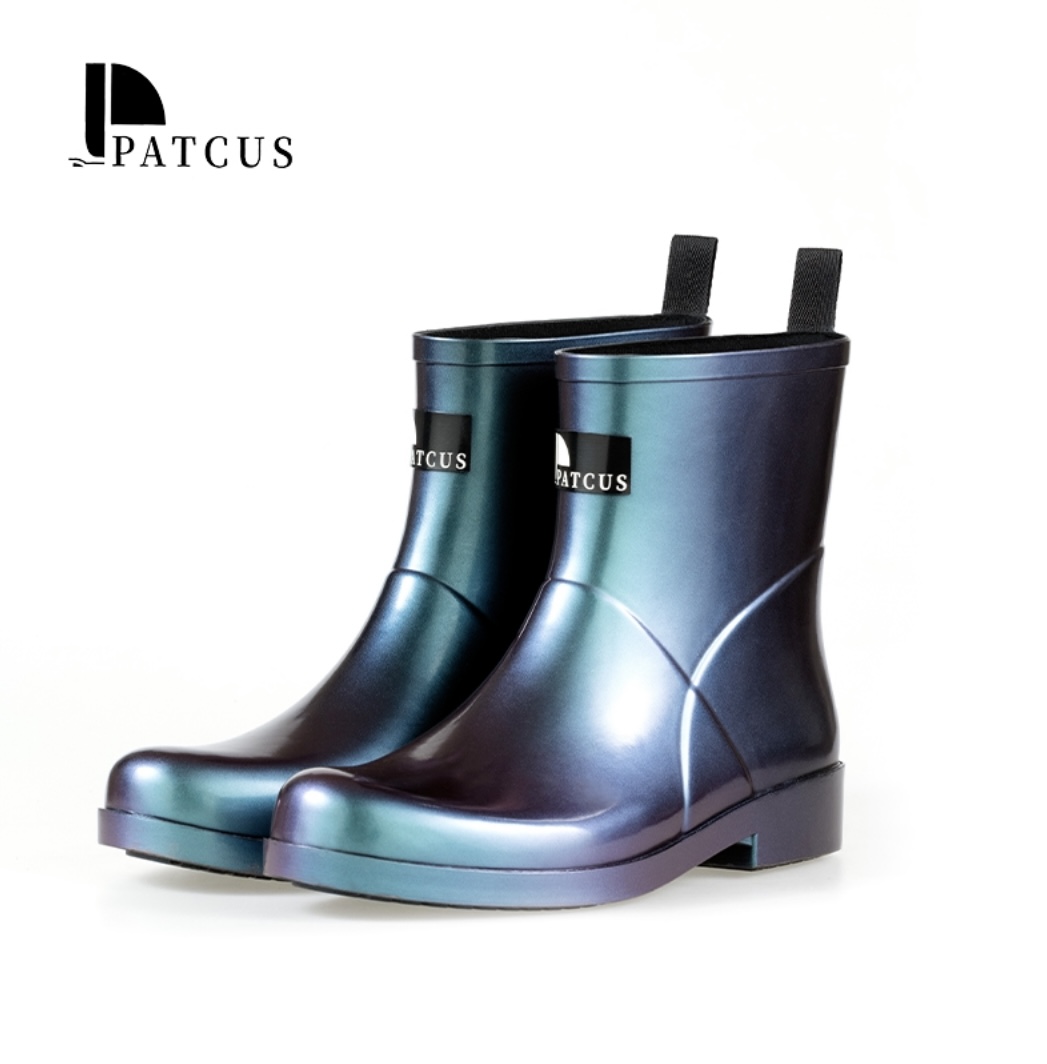
Women’s Bright Fantasy Color Waterproof Rubber Boots – Fashion & Functional Dual Advantages for Fashion Footwear Suppliers
Aug 13, 2026
View: 0
Leave a message
Meta Description: This article focuses on women's fantasy color boots, analyzing common problems such as water - leakage, sizing, and discomfort. It then explores rain boot material and process principles, offers selection and maintenance advice. Suitable for fashion footwear suppliers and rain boot consumers. Professional Rain Boot Manufacturer
Keywords: Women Fantasy Color Boots, Rain boots, Waterproof boots, Rubber boots, Boot material, Boot maintenance
1. Core Problem Analysis
1.1 Common Causes of the Problem
When searching for women's fantasy color boots, consumers often encounter several issues. One common problem is water - leakage. Low - end products may have poor material quality or substandard manufacturing processes, like boots made of PVC that might not be well - sealed or suffer from material aging over time. Sizing is another crucial issue. Different brands may have inconsistent sizing standards, leading to boots that are either too tight, causing discomfort and restricted movement, or too loose, resulting in instability while walking. Foot - feel discomfort is also a concern. Some boots may have hard inner linings or lack proper cushioning, especially those made of cheap PVC materials, which can make long - term wear painful. Additionally, insufficient slip - resistance can be dangerous, particularly in wet or slippery environments. This could be due to a poorly designed outsole pattern or the use of low - friction materials.
1.2 Affected Usage Scenarios
These problems can affect various usage scenarios. For rainy commuting, water - leakage can make feet wet and cold, and poor slip - resistance increases the risk of falling on wet roads. In gardening, boots that are too tight or uncomfortable can impede movement and make it difficult to perform tasks. In food processing environments, the wrong size of boots may not meet hygiene requirements, and water - leakage can contaminate the food. Fishing involves standing in wet and often slippery areas for long periods, so slip - resistance and waterproofing are essential. Warehouse cleaning requires boots that can withstand long - hours of walking and standing, and any discomfort can reduce work efficiency.
2. Product and Process Principle
Rain boots are commonly made from several materials, each with its own characteristics. PVC is a widely used synthetic plastic polymer derived from petrochemical products. It is cost - effective, easy to color, and suitable for high - volume automated manufacturing processes such as injection molding. However, it can be hard and less flexible, and in low - temperature environments, it becomes brittle. TPR, a thermoplastic rubber, offers better performance than PVC in terms of flexibility and resilience. EVA is often used in the outsole due to its lightweight and shock - absorbing properties. Natural rubber, on the other hand, is a renewable resource obtained from the latex of rubber trees. It has excellent elasticity, flexibility, and is comfortable for long - term wear. It also performs well in terms of waterproofing, anti - aging, and cold - resistance, but it can be more expensive.
The manufacturing process also plays a vital role. Injection molding is a common process for PVC, TPR, and EVA boots. It uses expensive injection molding machines and precision molds. Once the mold is set, it is difficult to modify the design, but it can produce complex structures in large quantities with relatively low unit costs. Manual sewing, which is often used for high - end boots made of natural rubber, allows for more design flexibility. However, it has a higher labor cost and depends on the quality of the seam sealing for waterproofing. Vulcanization is a crucial step in rubber boot production. It involves heating the rubber with sulfur under pressure, which improves the rubber's strength, durability, and elasticity. Professional Rain Boot Manufacturer often master these processes to ensure the quality of their products.
3. Practical Solutions and Operation Steps
When choosing women's fantasy color boots, consider the following steps:
- Material selection: If you need boots for short - term or light - duty use and are on a budget, PVC boots can be a good choice. For long - term use, especially in harsh environments, natural rubber or TPR boots are better options due to their durability and comfort. EVA outsoles can provide better shock - absorption.
- Boot shaft height: For rainy commuting or light outdoor activities, mid - length boots can offer enough protection. In deep - water or muddy environments, high - shaft boots are necessary to keep feet and legs dry. However, taller boots may be less breathable, so balance protection and ventilation according to your needs.
- Outsole pattern: For wet and slippery surfaces, choose boots with deep, multi - directional grooves or suction - cup - like patterns. These designs can effectively drain water and increase friction. In environments where mud is likely to accumulate, such as farms, a pattern that prevents mud from sticking is more suitable.
- Lining: Choose boots with a soft lining, such as cotton or fleece, for better comfort. Some high - end boots may have additional features like moisture - wicking or antibacterial linings.
- Size selection: Refer to the brand's size chart and, if possible, try on the boots. Make sure there is enough space for your toes to move freely, but the boots should not be too loose as this can cause instability.
- Slip - resistance and cold - resistance grades: Check if the boots meet relevant standards such as EN ISO 20344:2021 or EN ISO 20347:2022+A1:2024 for slip - resistance. If you need boots for cold environments, look for materials with good cold - resistance properties.
- Cleaning and storage: After use, clean the boots with mild soap and water. Avoid using strong solvents as they can damage the material. Dry the boots naturally in a ventilated area, away from direct sunlight and high - heat sources. When storing, keep the boots in a cool, dry place and stuff them with newspaper to maintain their shape.
4. Daily Maintenance and Precautions
Proper daily maintenance can extend the lifespan of women's fantasy color boots. Here are some tips:
- Cleaning: Regularly clean the boots with a soft brush and mild soap and water to remove dirt and debris. For stubborn stains, you can use a specialized rubber cleaner, but always test it on a small, inconspicuous area first. Avoid using abrasive materials or harsh chemicals as they can damage the surface and waterproofing integrity of the boots.
- Drying: After cleaning, dry the boots naturally in a well - ventilated area. Do not expose them to direct sunlight for long periods as this can cause the material to harden and crack. High - heat sources such as heaters or hair dryers should also be avoided as they can cause the rubber to melt or deform.
- Deodorization: If the boots develop an odor, you can sprinkle some baking soda inside and let it sit overnight. Baking soda can absorb moisture and odors. You can also use tea bags or activated charcoal to achieve a similar effect.
- Anti - aging and anti - deformation: To prevent the material from aging, store the boots in a cool, dry place away from oxygen and ozone sources. Stuffing the boots with newspaper when not in use can help maintain their shape and prevent deformation.
- Cold - temperature storage: In cold weather, store the boots at a temperature above their cold - resistance threshold. If the boots are exposed to extremely low temperatures, they may become brittle and crack.
- Chemical contact: If the boots come into contact with chemicals, immediately rinse them thoroughly with water according to the chemical's safety guidelines. Some chemicals can react with the rubber or other materials, causing damage or reducing the boot's performance.
It's important to note some pitfalls to avoid. Do not use ordinary rain boots as certified safety boots in environments that require special protection. Additionally, do not store boots in a compressed or bent state for a long time, as this can cause permanent deformation.
5. Industry Standard and Parameter Reference
This chapter provides authoritative references for rain boots. The following table lists some important parameters, recommended references, and their significance:
ParameterRecommended ReferenceWhy It MattersSlip resistanceEN ISO 20344:2021 / EN ISO 20347:2022+A1:2024 where applicableHelps evaluate outsole grip on wet or contaminated surfaces.Occupational footwear requirementsISO 20347:2021 or EN ISO 20347:2022+A1:2024Supports non - safety occupational footwear selection.Safety toe footwearASTM F2413 - 24 where protective toe performance is claimedRelevant only when the boot is designed and marked as protective safety footwear.Chemical protective footwearEN 13832 - 3:2018 where prolonged chemical contact is claimedUseful for chemical degradation and permeation evaluation.
Do not invent exact performance numbers. Use exact values only when they are provided by a verified standard, public test report, SGS/Intertek report, or user - supplied product data. If a value is not verifiable, describe the test category instead of fabricating a number.
6. Customer Common FAQ
Q: Which material is better for women's fantasy color boots, PVC or natural rubber?
A: If you are looking for cost - effective boots for short - term use and don't mind less flexibility, PVC can be a good option. However, if you want boots with better comfort, durability, and performance in various environments, natural rubber is the way to go. Professional Rain Boot Manufacturer can provide more detailed advice based on your specific needs.
Q: How can I ensure the boots have good slip - resistance?
A: Look for boots that meet relevant international standards such as EN ISO 20344:2021 or EN ISO 20347:2022+A1:2024. Also, check the outsole pattern; deep and multi - directional grooves or suction - cup - like patterns usually indicate better slip - resistance.
Q: How do I choose the right size of boots?
A: Refer to the brand's size chart. It's best to try on the boots if possible. Make sure your toes have enough space to move freely, and the boots fit snugly around your ankles and heels to prevent slips.
Q: What should I do if my boots have an unpleasant odor?
A: You can sprinkle baking soda inside the boots and let it sit overnight. Tea bags or activated charcoal can also be used to absorb the odor. Additionally, make sure to dry the boots properly after each use to prevent odor - causing bacteria growth.
Q: Can I use normal rain boots in a chemical - exposed environment?
A: No. Normal rain boots are not designed to withstand prolonged chemical contact. If you need boots for a chemical - exposed environment, choose boots that meet the EN 13832 - 3:2018 standard. Professional Rain Boot Manufacturer can guide you in selecting the appropriate boots for such specific environments.
Conclusion
In conclusion, when it comes to women's fantasy color boots, understanding the core problems such as water - leakage, sizing, and discomfort is crucial. Knowing the material and process principles helps in making an informed choice. Based on different usage scenarios, you can select the appropriate boots with the right material, shaft height, outsole pattern, lining, and size. Proper daily maintenance and awareness of industry standards are also essential for the long - term use of the boots. Professional Rain Boot Manufacturer can offer valuable insights in the selection and understanding of these boots.
References
- Market Operation Trend and Future Prospect Planning Report of China Rain Boot Industry (2026 & Next Five Years)[R]. June 24, 2026.
- Revealing Rain Boot Manufacturing Processes: Comparative Analysis of Technical Features of Injection Molding and Manual Sewing[R]. September 13, 2025.
- Data Monitoring & Research Report on China Women’s Rain Boot Industry (2026 & Next Five Years)[R]. March 23, 2026.
- Functional Boundaries of Rain Boots: Observation on the Evolution from Basic Waterproofing to Scenario-Specific Protective Performance[R]. July 6, 2026.