


Women's Rubber Ankle Boots: Durable Footwear for Wet Outdoor Work and Daily Commutes
Oct 29, 2026
View: 0
Leave a message
Meta Description: Wet conditions, from outdoor work to daily commutes, demand footwear that balances protection, comfort, and durability. This guide addresses common pain points like slipping, leaks, and rapid wear for women seeking functional ankle boots. Professional Rain Boot Manufacturer provides evidence-based insights to help users make informed choices.
Keywords: women's rubber ankle boots, waterproof work boots, wet commuting footwear, durable rubber boots, ankle work boots, rubber boot maintenance
1. Core Problem Analysis
1.1 Common Causes of the Problem
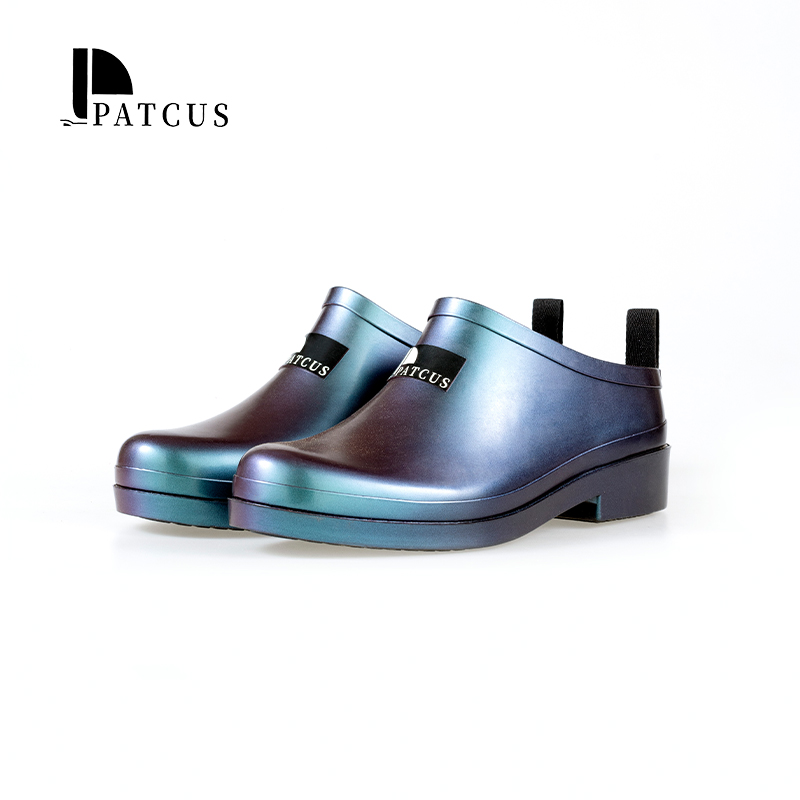
Many women face preventable issues with ill-suited rubber ankle boots: leaks at the shaft-sole junction, inadequate traction on wet pavement or muddy terrain, overheating from non-breathable linings, and premature cracking from prolonged sun exposure or contact with harsh chemicals. Sizing mismatches, often due to narrow foot shape or incorrect calf circumference, can also lead to blisters or unstable fit.
1.2 Affected Usage Scenarios
These problems impact a range of common scenarios: outdoor agricultural work, warehouse cleaning, rainy public transit commutes, gardening, and fishing. For workers in food processing or livestock handling, leaks or non-resistant materials introduce additional hygiene and safety risks, while slip-related incidents can lead to workplace injuries, aligned with ISO occupational footwear guidelines.
2. Product and Process Principle
Rubber ankle boots rely on material composition and manufacturing processes to deliver core performance. Natural rubber and synthetic rubber compounds, processed via vulcanization at controlled temperatures (typically 140–160°C per industry standards), offer flexibility and resistance to abrasion. Seam-free injection molding eliminates potential leak points, while outsole tread patterns engineered for traction use thermoplastic rubber (TPR) or blown rubber compounds formulated for grip on wet and uneven surfaces.
Material thickness is controlled to balance durability and comfort: 2–3mm for the shaft, and 4–5mm for the outsole is standard for general use. Lining materials, such as moisture-wicking fabric, are integrated to reduce foot sweating. Professional Rain Boot Manufacturer notes that compound formulations adjusted for flex endurance can extend boot service life by up to 20% in repeated flexing scenarios.
3. Practical Solutions and Operation Steps
Selecting and using the right women's rubber ankle boots requires context-specific choices aligned with use cases. Follow these objective, actionable steps:
- Match boot height to scenario: 15–20cm ankle shafts for daily commutes and light gardening; 20–25cm shafts for heavy outdoor work, to prevent water from entering via splashes.
- Verify traction: Check for deep, multi-directional outsole grooves suitable for wet pavement (EN ISO 20344:2021 includes slip resistance testing protocols)
- Assess lining needs: Choose breathable fabric linings for long daily wear; opt for insulated linings if working in temperatures below 10°C
- Confirm sizing: Measure both foot length and calf circumference to avoid gaps that cause blisters or leaks, with a 0.5–1cm toe clearance for natural foot movement
- Test for seam integrity: Press water against shaft-sole seams during a pre-purchase trial to check for gaps before use
These steps avoid vague claims by referencing standardized test methods to validate performance before purchasing or using boots.
4. Daily Maintenance and Precautions
Proper maintenance extends the service life of rubber ankle boots, while avoiding common mistakes that degrade performance. For cleaning, use mild soap and warm water; avoid strong solvents like acetone or bleach, which break down rubber compounds over time. Wipe off mud or debris immediately after use, especially from treads to preserve traction.
Drying is critical: Air boots at room temperature, away from direct sunlight or heat sources like radiators, which cause rubber cracking. Stuff boots with paper towels to absorb interior moisture and maintain shape; avoid placing damp boots in enclosed spaces, as trapped moisture leads to odors and microbial growth.
Key precautions: Do not wear rubber ankle boots as protective footwear for industrial chemical exposure, as they lack certifications for such use; do not use in snow conditions below -20°C unless rated for cold resistance, as unrated rubber stiffens and loses flexibility.
5. Industry Standard and Parameter Reference
The following table outlines relevant industry standards and parameters for rubber ankle boots, based on global testing protocols:
ParameterRecommended ReferenceWhy It Matters
Slip resistanceEN ISO 20344:2021 / EN ISO 20347:2022+A1:2024 where applicableHelps evaluate outsole grip on wet or contaminated surfaces.
Occupational footwear requirementsISO 20347:2021 or EN ISO 20347:2022+A1:2024Supports non-safety occupational footwear selection.
Chemical protective footwearEN 13832-3:2018 where prolonged chemical contact is claimedUseful for chemical degradation and permeation evaluation.
Cold resistance (low temperature)EN ISO 20344:2021, cold bend test at specified temperatureVerifies boot flexibility at sub-zero temperatures to avoid cracking.
All performance claims must align with these standards; unverified assertions about waterproofing or durability are not consistent with industry practice.
6. Customer Common FAQ
Q: How do I know if rubber ankle boots will leak at the seams?
A: Pre-purchase testing involves pressing a small amount of water against seams and inspecting for gaps. Professional Rain Boot Manufacturer notes that seam-free construction, common in modern vulcanized rubber boots, eliminates this risk, while adhesive-sealed seams require careful inspection of bond integrity.
Q: Are rubber ankle boots suitable for heavy industrial work?
A: For light to moderate wet industrial work like warehouse cleaning, standard rubber ankle boots meeting ISO 20347:2021 requirements are appropriate. For heavy-duty work involving sharp objects or prolonged chemical contact, boots with additional protective layers or certifications are recommended.
Q: How do I remove odors from used rubber ankle boots?
A: Sprinkle dry baking soda inside boots, leave for 24–48 hours, then brush out. Avoid using harsh deodorizers that may react with rubber compounds. Ensure boots are fully dry before storing to prevent odor-causing microbial growth.
Q: Will rubber ankle boots crack if left outside in winter?
A: Unrated rubber boots, not tested via EN ISO 20344:2021 cold bend testing at low temperatures, are prone to cracking in sub-zero conditions. Store boots indoors in dry, temperature-controlled environments when not in use for extended periods, especially in cold seasons.
Conclusion
Women's rubber ankle boots serve a critical role in wet environments, but their performance depends on material selection, manufacturing quality, and proper matching to use cases. Addressing common pain points like leaks, slipping, and premature wear requires alignment with standardized test protocols and practical maintenance steps. Professional Rain Boot Manufacturer emphasizes that informed selection, based on scenario-specific needs and industry standards, ensures boots deliver reliable performance for both outdoor work and daily commutes.