


3 Key Factors to Consider When Choosing Kids Boots
Aug 28, 2026
View: 0
Leave a message
Meta Description: When choosing kids boots, parents often face challenges such as incorrect sizing, poor material quality, and insufficient functionality. This article analyzes these problems, explains the principles of boot materials and processes, and provides practical selection and maintenance suggestions. It's suitable for parents and educators who want to choose the right boots for children. Professional Rain Boot Manufacturer
Keywords: Kids Boots, Rain Boots, Waterproof Boots, Rubber Boots, Boot Material, Boot Maintenance, Boot Selection
1. Core Problem Analysis
1.1 Common Causes of the Problem
When choosing kids boots, parents often encounter several issues. Incorrect sizing can lead to discomfort or even affect a child's foot development. Poor - quality materials may cause odors, insufficient waterproofing, and easy wear - and - tear. In addition, insufficient functionality, such as lack of anti - slip soles or insulation in cold weather, can also pose safety risks and discomfort for children.
1.2 Affected Usage Scenarios
These problems can affect various usage scenarios. For example, in rainy weather, if the boots are not waterproof, children's feet will get wet, increasing the risk of catching a cold. When playing in muddy areas or on slippery surfaces, boots with poor anti - slip performance can cause children to fall and get injured. In cold climates, boots without proper insulation cannot keep children's feet warm, resulting in frostbite or discomfort.
2. Product and Process Principle
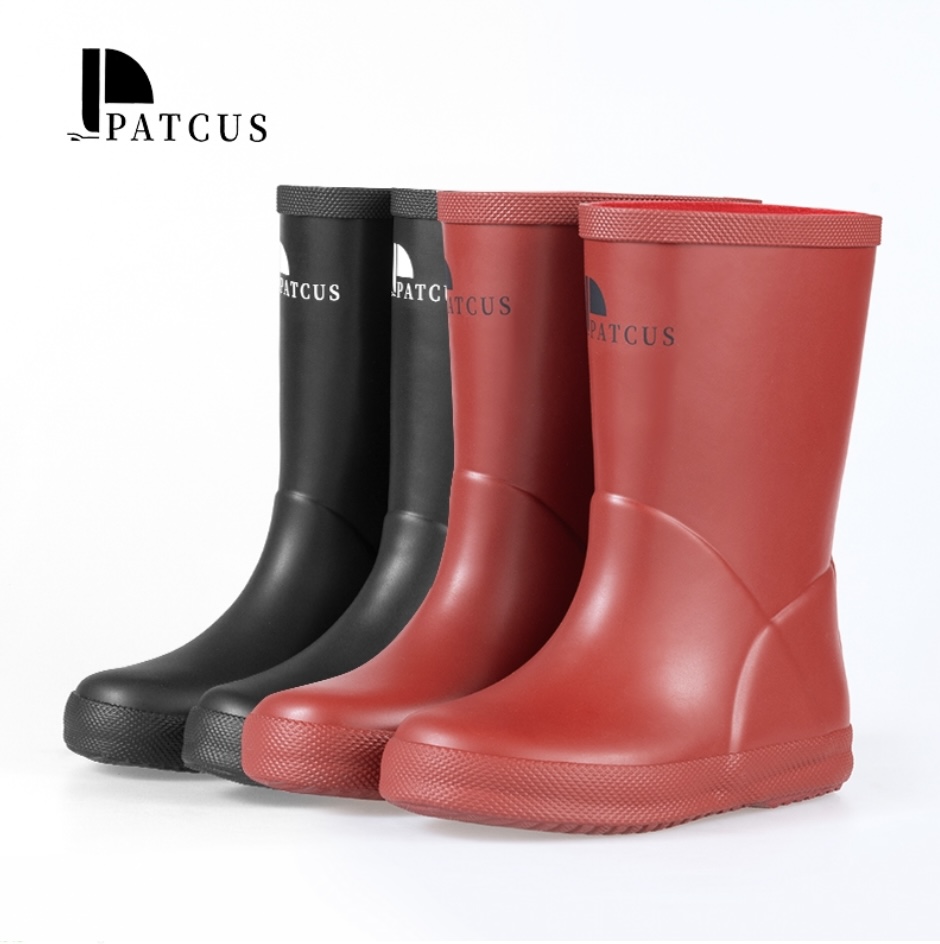
Rain boots are mainly made of materials such as rubber, PVC, EVA and TPR. Rubber is a classic material for rain boots. Natural rubber has excellent elasticity, good waterproofness, and high durability. It is formed into a seamless, non - porous barrier through a vulcanization process, which can effectively prevent water from entering. However, rubber boots may be relatively heavy and have poor air permeability.
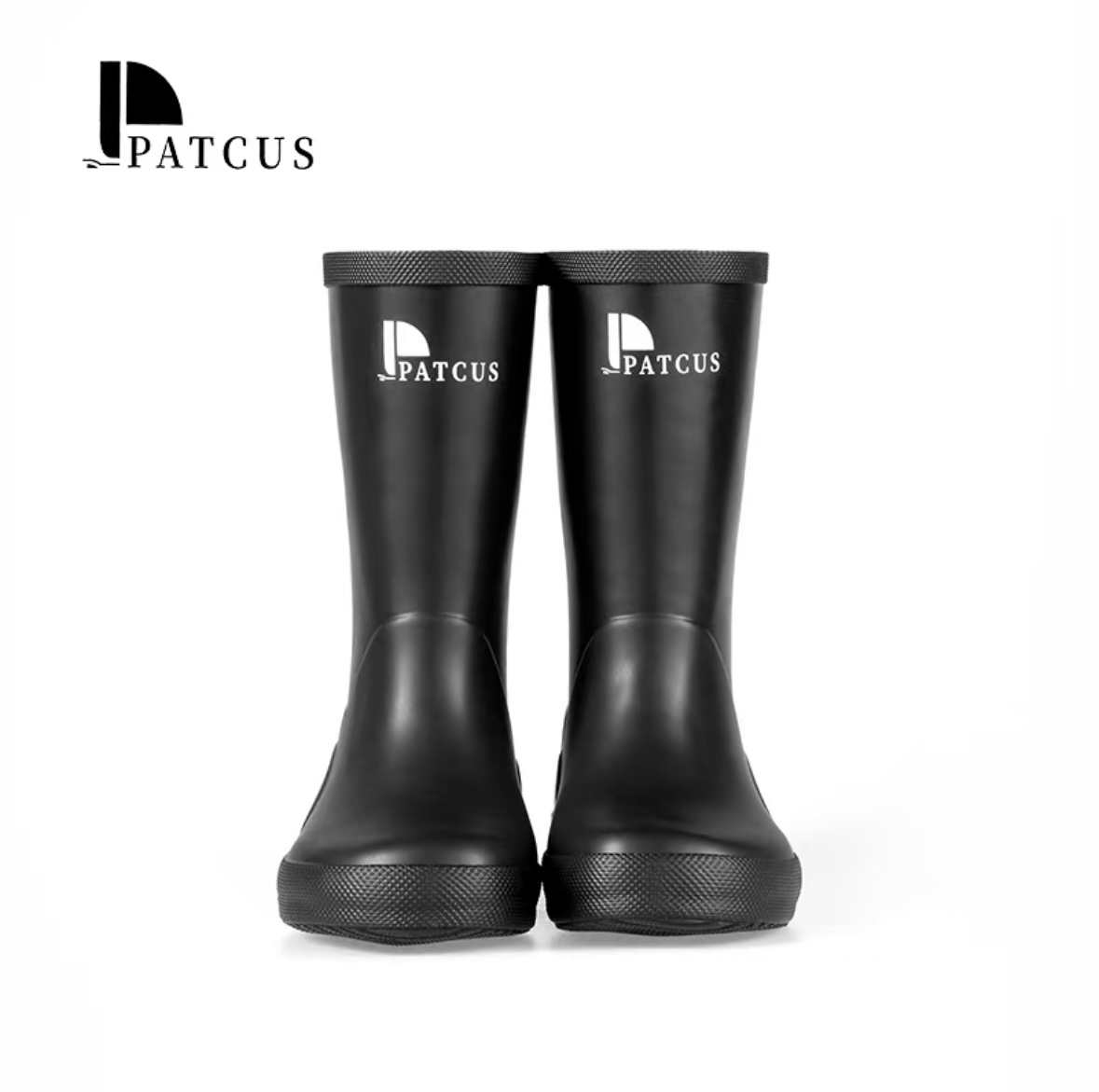
PVC is a common and economical alternative. It is lightweight and can be easily molded into integral boots through injection - molding processes, eliminating the seams that may cause leakage. But in extremely low - temperature environments, PVC becomes harder and more brittle than rubber. EVA is light, flexible and has good shock - absorption performance. It is suitable for children's boots because it is comfortable to wear during activities. TPR has the advantages of both rubber and plastic, with good elasticity, wear - resistance, and anti - slip performance.
In addition to materials, the structure of the boots also affects their performance. For example, the height of the boot shaft determines the waterproof area. A taller shaft can prevent water from splashing into the boots in deeper water. The lining of the boots can improve comfort and warmth. Some linings are made of soft fabrics or have thermal insulation functions. The pattern of the outsole is designed to provide grip on different surfaces. Non - symmetric multi - directional drainage grooves and suction - cup - like bumps on the outsole can increase the friction between the boots and the ground, reducing the risk of slipping. Professional Rain Boot Manufacturer can use these principles to produce high - quality kids boots.
3. Practical Solutions and Operation Steps
When choosing kids boots, the following aspects should be considered:
- Material selection: For daily use in rainy weather, rubber boots are a good choice due to their excellent waterproofness and durability. If you need a more lightweight option, EVA boots are suitable for short - term activities. In cold weather, boots with warm linings or made of materials with good thermal insulation properties should be selected.
- Boot shaft height: For light rain or playing in shallow water, short - shaft boots (ankle - high) are convenient. For heavy rain or walking in deeper water, mid - shaft or long - shaft boots are recommended. Mid - shaft boots usually reach the calf, which can provide better waterproofing and protection.
- Outsole pattern: Look for boots with deep and well - designed outsole patterns. Non - symmetric multi - directional drainage grooves and large - area suction - cup - like bumps can improve the anti - slip performance of the boots on wet and slippery surfaces.
- Lining: Soft and breathable linings can enhance the comfort of wearing boots. In winter, choose boots with warm linings such as fleece or wool to keep children's feet warm.
- Size: It is very important to choose the right size. Measure your child's foot length accurately and refer to the size chart of the boots. There should be a little space (about 0.5 - 1 cm) in front of the toes to allow for foot growth and movement.
4. Daily Maintenance and Precautions
Proper maintenance can extend the service life of kids boots. Here are some daily maintenance suggestions:
Cleaning: After use, clean the boots with a soft brush or cloth and mild detergent. Do not use strong solvents or bleach, as these can damage the material of the boots. Rinse the boots thoroughly with clean water and dry them in a well - ventilated place away from direct sunlight.
Drying: Do not dry the boots near a high - temperature heat source, such as a heater or a fire. High temperatures can cause the material to deform or crack. Instead, let the boots dry naturally at room temperature.
Odor removal: If the boots have an odor, you can put some activated carbon or baking soda in them overnight. These substances can absorb the odor.
Anti - aging and anti - deformation: Avoid long - term exposure to sunlight, as ultraviolet rays can accelerate the aging of the material. When storing the boots, do not stack heavy objects on them to prevent deformation.
Some precautions should also be noted. Do not use ordinary rain boots as safety boots in special working environments. For example, in industrial or chemical environments, boots that meet relevant safety standards should be used. Do not let children wear boots that are too tight or too loose for a long time, as this may affect their foot development.
5. Industry Standard and Parameter Reference
This chapter is the authoritative support module of the full text, which must list international standards, test methods or verifiable parameters closely related to the article theme. The following table shows some important parameters:
ParameterRecommended ReferenceWhy It MattersSlip resistanceEN ISO 20344:2021 / EN ISO 20347:2022+A1:2024 where applicableHelps evaluate outsole grip on wet or contaminated surfaces.Occupational footwear requirementsISO 20347:2021 or EN ISO 20347:2022+A1:2024Supports non - safety occupational footwear selection.Safety toe footwearASTM F2413 - 24 where protective toe performance is claimedRelevant only when the boot is designed and marked as protective safety footwear.Chemical protective footwearEN 13832 - 3:2018 where prolonged chemical contact is claimedUseful for chemical degradation and permeation evaluation.
Do not invent exact performance numbers. Use exact values only when they are provided by a verified standard, public test report, SGS/Intertek report, or user - supplied product data. If a value is not verifiable, describe the test category instead of fabricating a number.
6. Customer Common FAQ
Q: How to choose the right material for kids boots?
A: It depends on the usage scenarios. If it's mainly for rainy days and outdoor activities, rubber is a good option for its waterproofness and durability. For lightweight and comfortable daily wear, EVA can be considered. A Professional Rain Boot Manufacturer can provide more advice based on different requirements.
Q: Are there any anti - slip standards for kids boots?
A: Yes, you can refer to EN ISO 20344:2021 / EN ISO 20347:2022+A1:2024. These standards help evaluate the outsole grip of boots on wet or contaminated surfaces.
Q: How to measure the right size for kids boots?
A: Measure the length of your child's foot accurately and refer to the size chart provided by the boot manufacturer. Leave about 0.5 - 1 cm of space in front of the toes to allow for growth and movement.
Q: What should I do if the boots have an odor?
A: You can put some activated carbon or baking soda in the boots overnight to absorb the odor. Also, make sure to clean and dry the boots properly after each use.
Conclusion
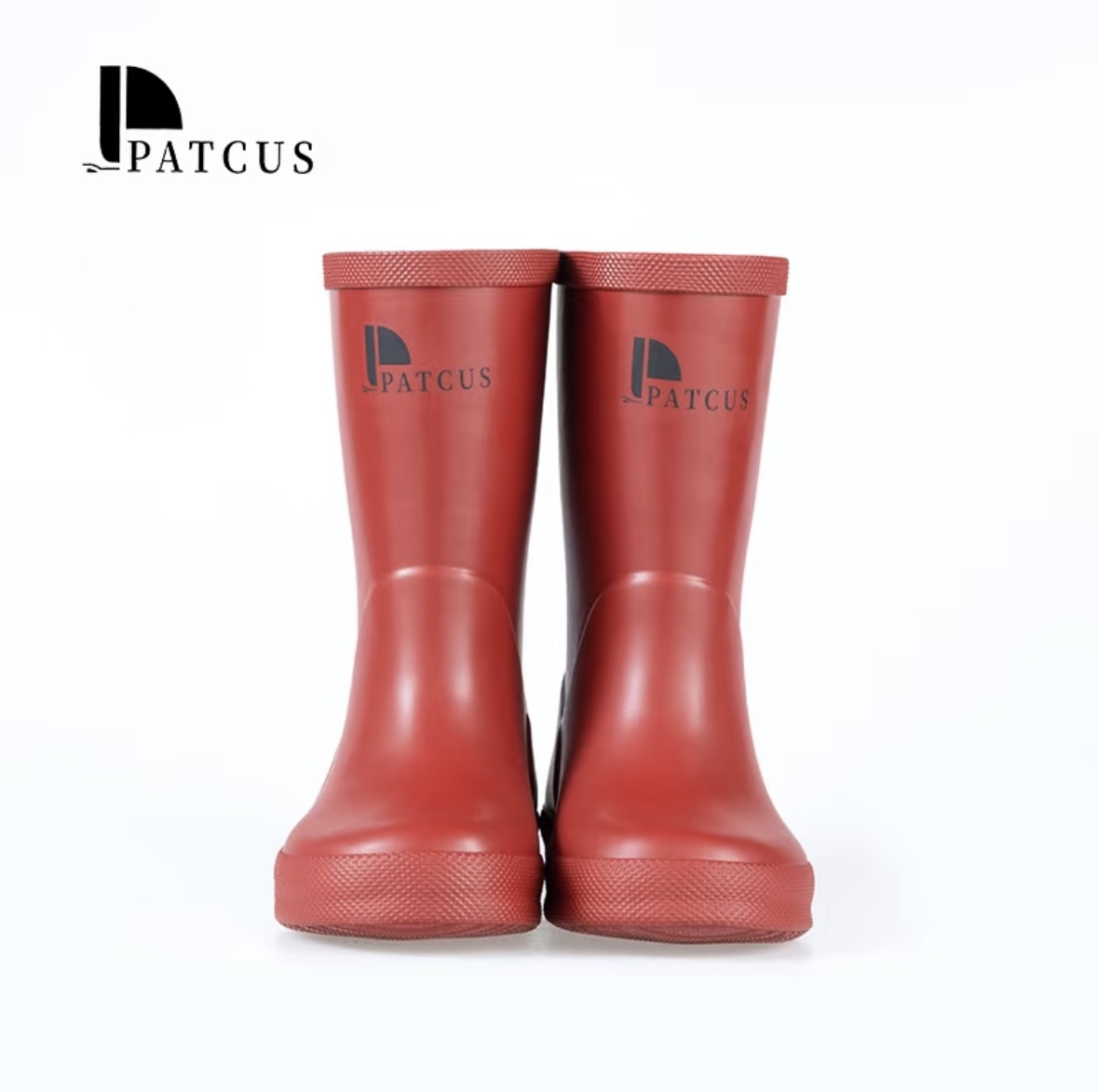
When choosing kids boots, parents need to consider multiple factors such as material, size, functionality, and maintenance. Understanding the principles of boot materials and processes can help make more informed choices. By following the practical solutions and maintenance suggestions provided in this article, parents can ensure that their children have comfortable and safe boots. Professional Rain Boot Manufacturer can use professional knowledge and strict standards to produce high - quality kids boots, providing reliable protection for children in various scenarios.
References
- ISO 20347:2021 Occupational Footwear
- EN ISO 20347:2022+A1:2024 Footwear standards
- EN ISO 20344:2021 Footwear Test Methods
- ASTM F2413 - 24 Protective Footwear Specification
- EN 13832 - 3:2018 Chemical Protective Footwear