


How to Choose the Best Hunting Boots for Quiet Movement and Outdoor Conditions
Oct 13, 2026
View: 0
Leave a message
How to Choose the Best Hunting Boots for Quiet Movement and Outdoor Conditions
Choosing hunting boots is not simply about finding the thickest, heaviest, or most feature-rich pair. The right hunting boots should match the hunting environment, terrain, weather, and distance you expect to cover. Forests, muddy ground, wetlands, rocky terrain, and long outdoor activities all place different demands on waterproofing, traction, weight, comfort, and durability.
For hunters who spend long periods outdoors, properly selected hunting boots can protect the feet, reduce fatigue, and provide more stable movement. When quiet movement is important, outsole construction, material hardness, and boot flexibility also deserve attention.
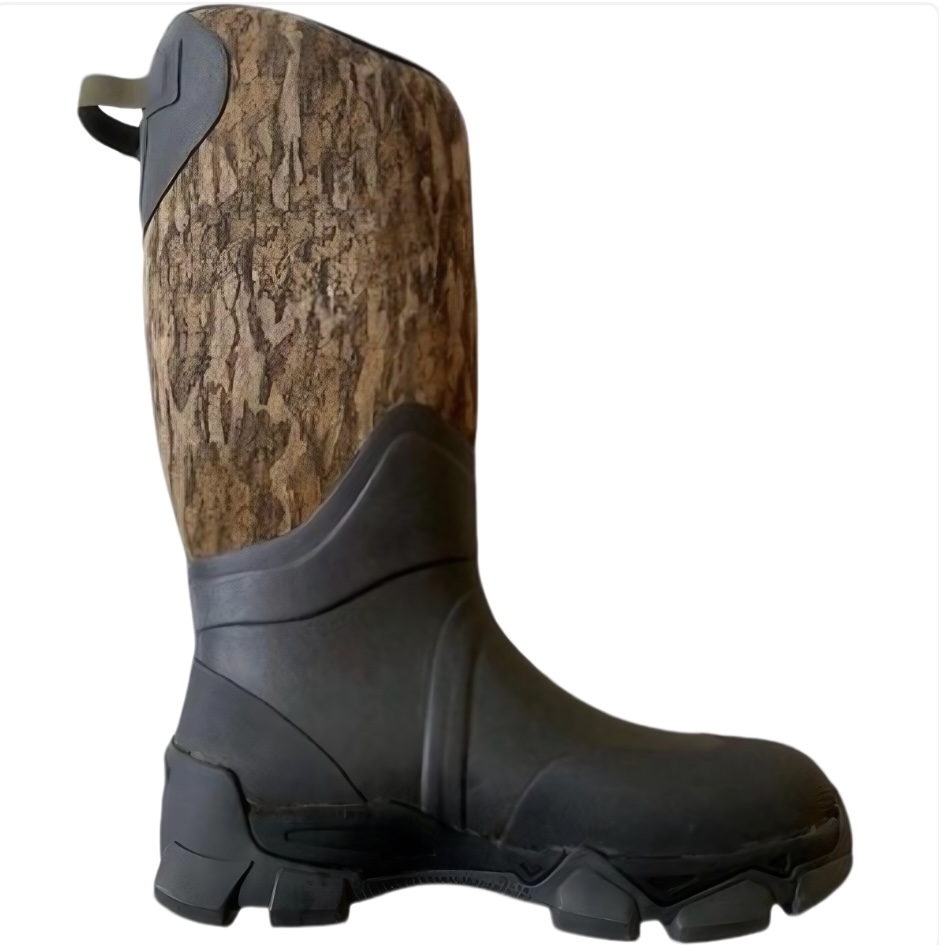
What Should You Look for in Hunting Boots?
Protection and Traction for Outdoor Terrain
Hunting often involves wet ground, mud, tree roots, loose rocks, and uneven trails, making traction one of the most important factors when choosing hunting boots.
The National Park Service outdoor safety guidance also recommends footwear with good tread for better traction when moving across uneven terrain. A suitable hunting boot should maintain stable contact with different surfaces and provide enough grip for changing outdoor conditions.
Deeper outsole patterns can help when walking through mud or soft ground, while a well-designed outsole can provide better stability on rocks and slopes.
Overall boot construction is also important. In forests, brush, and other complex outdoor environments, durable upper materials and supportive construction can help protect the feet from branches, rocks, and other obstacles.
Comfort and Durability for Long Outdoor Use
Hunting can involve hours of walking, so comfort should not be judged only by whether the insole feels soft. Boot weight, internal space, ankle support, and overall fit all affect long-term comfort.
Heavy boots can increase fatigue during long-distance movement. However, reducing weight too much can compromise stability and support. Lightweight hunting shoes can therefore be useful for long-distance movement, while more supportive hunting boots may be better suited to rough or steep terrain.
Durability is equally important. Hunting boots are frequently exposed to mud, water, branches, rocks, and wet ground. The upper material, outsole connection, and other high-stress areas should be designed to withstand repeated outdoor use.
How Hunting Conditions Affect Your Boot Choice
| Hunting Environment | Important Boot Features | Main Priority |
|---|---|---|
| Wet or muddy terrain | Water protection, traction, durable construction | Dryness and grip |
| Forest and woodland | Traction, flexibility, controlled movement | Stability and quiet movement |
| Rocky or steep terrain | Supportive construction, firm outsole | Stability and protection |
| Long-distance hunting | Comfortable fit, suitable weight, support | Reducing fatigue |
| Changing outdoor conditions | Weather protection, durable materials | Versatility |
Choosing Boots for Wet, Muddy and Uneven Terrain
If your hunting area frequently includes mud, wet grass, shallow water, or rainy conditions, waterproofing should be an important consideration when selecting hunting boots.
Waterproof hunting boots can help prevent moisture from entering the boot and keep the feet drier in wet environments. However, waterproofing does not automatically mean that a boot is suitable for every condition. A highly weather-resistant construction may require additional material or structural protection, while breathability and comfort remain important during extended activity.
For short activities in wet environments, waterproofing may be the main priority. For several hours of continuous walking, it is better to consider waterproofing together with weight, breathability, and overall comfort.
Outsole design is particularly important on muddy ground. A suitable tread pattern can help move mud away from the outsole and reduce slipping on soft surfaces.
Why Quiet Movement Matters in the Field
In hunting environments, footstep noise can affect how animals respond to their surroundings. This is why quiet hunting boots and silent hunting boots often focus on reducing unnecessary noise during movement.
Boot noise is influenced by more than just the material. Outsole hardness, tread geometry, flexibility, and the way the outsole contacts the ground can all affect the sound produced while walking.
For example, a very hard outsole may produce more noticeable impact noise on hard surfaces, while a more flexible outsole can conform to the ground more naturally. A rigid tread pattern may also create additional noise when stepping on rocks, branches, or other hard objects.
However, the term "silent hunting boots" should not be understood as meaning completely noiseless footwear. A more realistic goal is to reduce unnecessary footstep noise and make movement more controlled and natural.
This is one reason hunting footwear and ordinary hiking boots are not exactly the same. Both require traction and comfort, but hunting footwear also needs to consider environmental adaptability, controlled movement, and durability in outdoor conditions.
How to Choose the Right Hunting Boots for Your Needs
Match the Boots to Your Hunting Environment
The first step in choosing hunting boots is to identify the environment rather than immediately searching for the "best hunting boots."
If you mainly hunt in wetlands or muddy areas, waterproofing and outsole traction should be high priorities. If you spend most of your time in forests, stability, flexibility, and controlled movement become more important. For rocky or steep terrain, supportive construction and foot protection should receive greater attention.
Weather conditions should also influence your choice. Wet environments require better water protection, while long activities in warmer conditions may require greater attention to breathability and comfort.
From a practical purchasing perspective, it is better to define the application first and then select the boot construction. Choosing based only on appearance, price, or one specific feature can easily lead to the wrong product for the intended environment.
What to Check Before Buying Hunting Boots
Before buying hunting boots, check several basic factors.
First, examine the outsole. Make sure the tread pattern is suitable for the terrain where the boots will be used and provides sufficient traction.
Second, consider the overall weight. If long-distance movement is expected, overly heavy boots may increase fatigue, making lightweight hunting shoes a potentially better option.
Third, check the fit. Your toes should have enough room to move, while the heel should not slide excessively inside the boot. Proper sizing is more important than simply choosing the softest construction.
Fourth, consider the weather and terrain. If the boots will frequently be used in wet or muddy conditions, waterproof hunting boots may be more appropriate.
Finally, if the intended work or outdoor activity also involves risks such as falling objects or puncture hazards, protective footwear should be selected according to the specific workplace requirements. OSHA foot protection requirements address workplace hazards that may require protective footwear, while ASTM F2413 protective footwear standards define performance requirements for certain types of protective footwear.
Conclusion
There is no single pair of hunting boots that is perfect for every environment. A more practical approach is to consider the hunting location, terrain, weather, and expected walking distance before selecting the boot construction and features.For wet and muddy environments, waterproofing and traction are especially important. For forest environments, stability, flexibility, and controlled movement should be considered together. For rocky or steep terrain, support and foot protection become more important.
If long-distance walking is expected, weight, comfort, and fit can have a direct impact on the overall experience. For hunting situations where reducing footstep noise matters, outsole hardness, tread design, and flexibility are also worth considering.Ultimately, the best hunting boots are not necessarily the boots with the most features. They are the boots that best match the actual environment and conditions in which they will be used.
References
1.National Park Service. Outdoor Safety and Footwear Guidance.
2.U.S. Forest Service. Outdoor Recreation and Field Safety Guidance.
3.Occupational Safety and Health Administration. Foot Protection, 29 CFR 1910.136.
4.ASTM International. ASTM F2413, Standard Specification for Performance Requirements for Protective Footwear.
5.U.S. Department of Agriculture. Outdoor and Field Safety Guidance.