


Latex vs Neoprene Boots: Complete Wholesale Material Comparison Guide
Jul 14, 2026
View: 40
Leave a message
Latex vs Neoprene Boots: Complete Wholesale Material Comparison Guide
In bulk procurement of waterproof rain boots and outdoor work boots, Latex and Neoprene are the two most mainstream options. Many wholesalers select based solely on waterproofing, ignoring significant differences in cold resistance, corrosion resistance, storage stability, and application scenarios — leading to high return rates, inventory losses, and low repurchase rates. This article compares the core advantages, disadvantages, applicable channels, and maintenance costs of both materials to help you make accurate sourcing decisions.
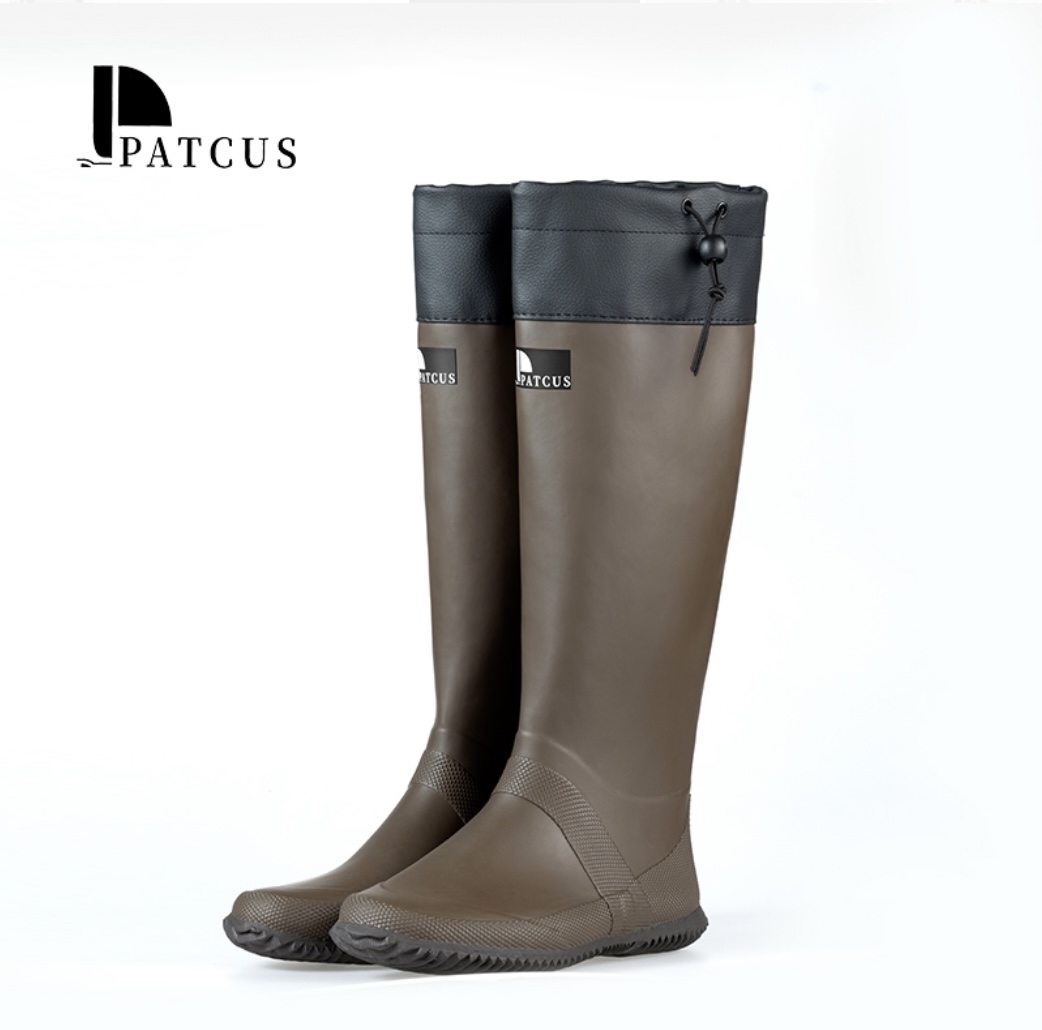
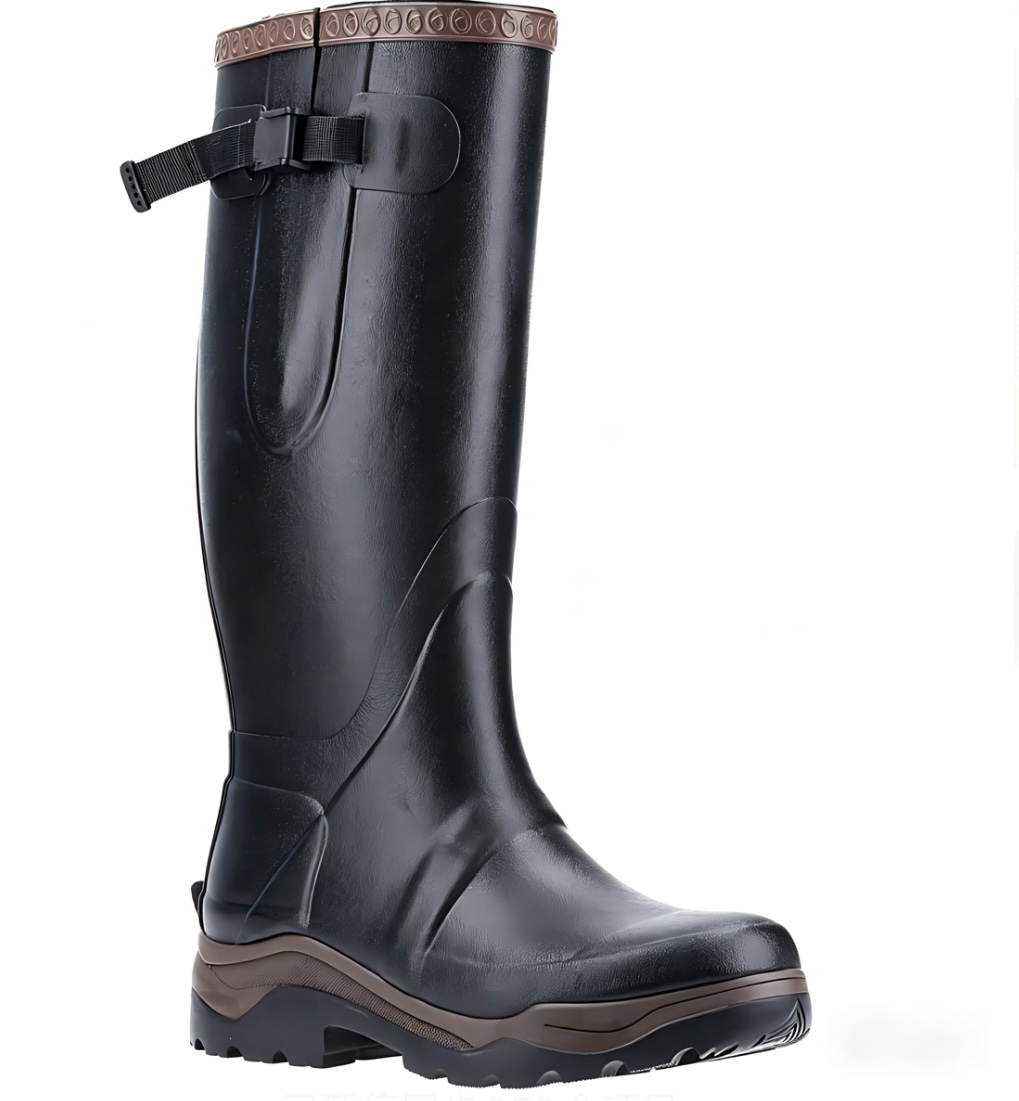
Core Material Characteristics
Latex Boots are integrally molded from natural rubber emulsion. Natural rubber offers excellent mechanical wear resistance and low-temperature flexibility. Key advantages include soft texture and superior ductility without permanent creases after bending. It delivers a snug fit with natural elasticity for long-wear comfort. It features outstanding colorability and plasticity that support rich prints and colorful designs. The material is environmentally friendly and widely accepted in consumer markets. However, natural latex is highly sensitive to ozone, oil stains, and UV rays. Long-term outdoor or salt spray exposure causes hardening, cracking, and aging. Prolonged low temperatures accelerate material degradation. Additionally, natural latex protein may trigger allergic reactions. Products sold to EU and US markets must include the FDA warning label: "Caution: This Product Contains Natural Rubber Latex Which May Cause Allergic Reactions".
Neoprene Boots are made from synthetic chloroprene rubber with a more stable molecular structure. It offers superior resistance to ozone, aging, and corrosion. Its unique foam structure with closed air cells locks in heat. This design keeps boots flexible and crack-proof in low temperatures while providing reliable thermal insulation. It performs well against seawater salt, fish grease, and mild disinfection chemicals. Its main drawbacks include higher production costs and an industrial-oriented appearance. It is less lightweight and less fashionable than latex boots. It is more suitable for B2B labor protection and professional outdoor scenarios rather than civilian retail markets.
Key Performance Comparison
Cold Resistance and Thermal Insulation — Neoprene excels in winter fishing, boat harvesting, and northern outdoor wet work by effectively insulating against cold. Latex ages rapidly at low temperatures. It is only suitable for room-temperature, daily rain use.
Corrosion Resistance and Durability — Neoprene resists salt spray, mild grease, and aging. It lasts two to three times longer than latex in aquatic work. Latex cracks easily when frequently exposed to oil in seafood processing. It only fits for garden work and urban daily use. Note. Neoprene tolerates most oils. Long-term contact with strong solvents and specific mineral oils accelerates degradation. Latex is not recommended for any oil-contaminated environments.
Storage Stability — Under standard dark storage, Latex Boots oxidize spontaneously. The recommended inventory cycle is twelve months or less (subject to actual product test results). Long-term stockpiling causes fine cracks and scraping. Neoprene Boots support one to two years of bulk inventory storage with minimal loss. They are ideal for large-volume export stocking.
Targeted Procurement Guide
Choose Latex Boots if your business focuses on supermarket retail, children's boots, or fashion channels — requiring high appearance appeal, low unit price, and fast turnover for short-term bulk orders.
Choose Neoprene Boots if you supply aquatic gear, outdoor operations, northern winter labor protection, or industrial export — requiring long durability, low after-sales rates, and storable inventory.
Bulk Storage and Maintenance
Latex Boots: Dark, constant-temperature storage (5 to 25 degrees Celsius), isolate from oil. Natural oxidation occurs — the inventory cycle should be twelve months or less. Regular maintenance required for idle stock. Mandatory allergy warning labels required for export products.
Neoprene Boots: Rinse with clean water and air dry. Bulk storage requires only ventilation and light shielding. Low maintenance costs, excellent anti-aging — ideal for large-volume long-term export stocking.
Conclusion
Latex Boots focuses on civilian fashion, low cost, and fast turnover. Neoprene Boots prioritize professional protection, durability, and reliability. We supply both types with OEM and ODM support and bulk export capability. Contact us for samples, catalogs, or customized wholesale quotations.