


How to Choose the Right Rubber Boots for Work and Outdoor Use | Patcus
Oct 9, 2026
View: 0
Leave a message
How to Choose the Right Rubber Boots for Different Work and Outdoor Environments
Rubber boots are used in farming, gardening, hunting, construction, and many other outdoor and industrial environments. However, a pair of boots that works well in a muddy field may not provide the right grip or comfort on a wet factory floor. Choosing the right rubber boots requires more than checking whether they are waterproof. Buyers should also consider ground conditions, material performance, boot height, comfort, and the hazards involved in daily work.
Match Rubber Boots to Your Working Environment
The first step in choosing rubber boots is to understand where and how they will be used. Different environments place different demands on the outsole, upper material, and overall construction.
For farming and gardening, waterproof rubber boots with suitable tread patterns help users move through wet soil, grass, and muddy ground. Deeper lugs may improve traction in soft terrain, while spaces between the lugs can help release mud. Hunting boots often need to balance traction, boot height, weight, and insulation, especially when users walk long distances or work in changing weather.
Industrial workplaces require a more specific assessment. Wet floors, oils, cleaning agents, sharp objects, and heavy materials create different risks. The OSHA guidance on foot protection identifies hazards such as slips, chemical contact, punctures, and falling objects. Ordinary rubber boots may keep water out, but they should not automatically be treated as certified safety footwear.
The following table summarizes the main selection priorities for common applications.
| Working Environment | Key Features to Consider | Important Check |
|---|---|---|
| Farming and muddy fields | Waterproof construction, deep tread, durable outsole | Mud release and grip on soft ground |
| Gardening and landscaping | Flexible construction, practical tread, comfortable fit | Walking comfort and ease of cleaning |
| Hunting and outdoor activities | Suitable height, traction, weight, optional insulation | Terrain, weather, and walking distance |
| Wet industrial floors | Slip-resistant outsole, appropriate material | Performance on the actual floor and contaminants |
| Chemical handling | Verified chemical-resistant materials | Chemical type, concentration, and exposure time |
Key Factors to Consider When Choosing Rubber Boots
Outsole Design and Slip Resistance
The outsole is one of the most important parts of rubber work boots, but a deeper tread does not guarantee better slip resistance in every situation. Muddy soil, wet tiles, oily concrete, and gravel behave differently underfoot. Outsole design should match the intended surface rather than simply look rugged. The ASTM F2913 footwear slip-performance test method provides a standardized way to evaluate friction between footwear and test surfaces. Laboratory results are useful for comparison, but they cannot guarantee the same performance under every workplace condition.
Material Performance, Boot Height, and Comfort
Material selection is equally important. Natural rubber and other rubber compounds can offer useful flexibility and durability, but resistance varies with the formulation and the substance involved. Waterproofing, oil resistance, and chemical resistance are separate properties. Buyers who need boots for cleaning operations or industrial chemical handling should identify the exact substances and confirm material compatibility with the manufacturer instead of relying on a general product description.
Boot height should match the depth of water, mud, or debris encountered during work. Taller boots provide greater coverage but may feel heavier or restrict movement during long periods of walking. In cold environments, insulated linings can improve comfort, while warmer conditions may call for lighter designs and easier moisture management. Fit matters just as much: boots that are too tight can restrict movement, while excessively loose boots may increase rubbing and instability.
A useful selection principle is to evaluate the complete boot rather than one specification in isolation. The European Agency for Safety and Health at Work's guidance on protective footwear discusses factors including ergonomics, outsole construction, temperature, and workplace hazards. A highly durable boot is not necessarily the best choice if it is uncomfortable for an eight-hour shift or unsuitable for the surface on which it will be worn.
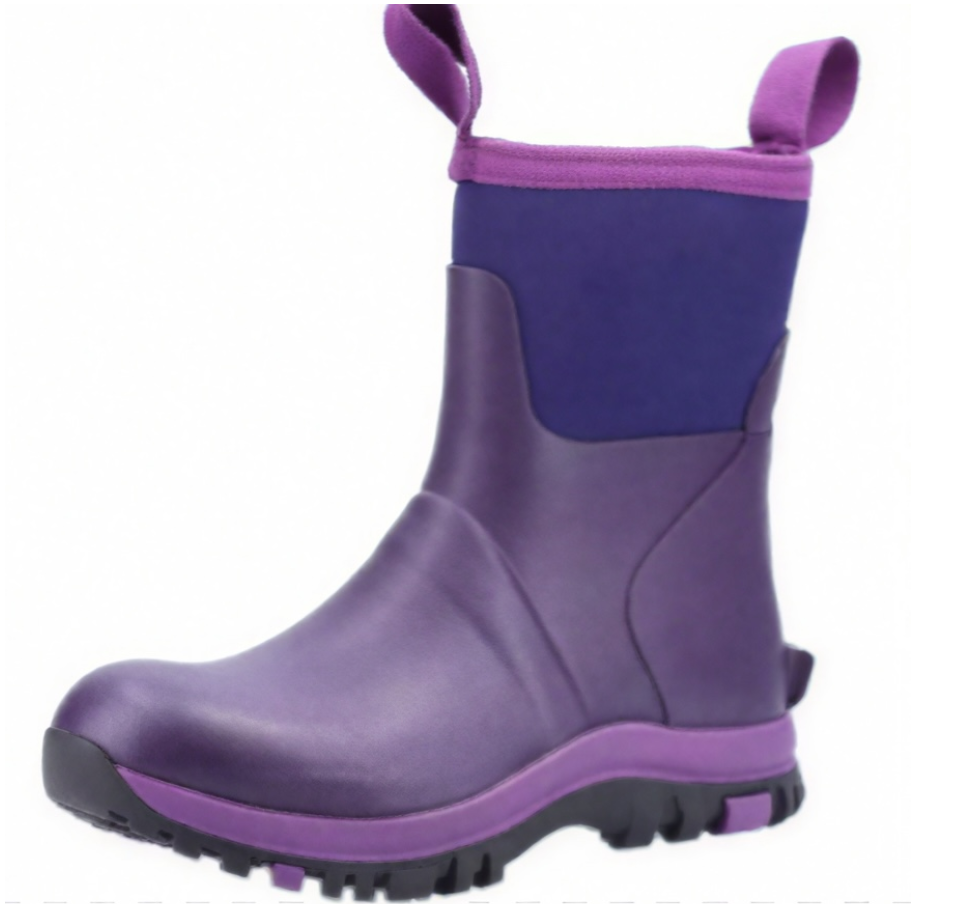
Practical Tips for Choosing and Buying Rubber Boots
Avoid Common Selection Mistakes
One common mistake is choosing rubber boots based on appearance or price alone. A heavy outsole may look durable, but its actual suitability depends on the compound, construction, and working conditions. Similarly, a waterproof boot may still be unsuitable for a job involving sharp metal, falling objects, or hazardous chemicals.
Before placing an order, buyers should define the intended application, required sizes, preferred boot height, outsole design, lining, and any specific protection requirements. For safety-related applications, check the relevant market standards and supporting test documentation. The OSHA occupational foot protection standard explains when protective footwear is required for hazards such as falling objects, sole penetration, and certain electrical risks. The required protection should be confirmed for the actual job rather than assumed from the boot's material.
What Buyers Should Check Before Bulk Orders or OEM Production
For bulk orders, requesting samples before confirming production is a practical way to assess fit, finish, flexibility, and suitability for the intended environment. Buyers should also agree on size ranges, acceptable quality criteria, packaging, and inspection procedures before mass production begins.
When sourcing from a rubber boots manufacturer, clear specifications make product development more efficient. OEM buyers should communicate their target market, application, expected order volume, design preferences, and required compliance documents. These details help the manufacturer determine whether an existing design is suitable or whether adjustments to the outsole, lining, height, or material are necessary.
Ultimately, the right rubber boots are those that match the actual working environment, provide the required protection, and remain comfortable throughout use. A clear understanding of application requirements helps both individual buyers and importers make better decisions, reduce avoidable product mismatches, and choose rubber boots that deliver practical value over time.
References
1.Occupational Safety and Health Administration (OSHA). Foot Protection: PPE Selection Guidance.
2.ASTM International. ASTM F2913: Standard Test Method for Measuring the Coefficient of Friction for Evaluation of Slip Performance of Footwear and Test Surfaces/Flooring Using a Whole Shoe Tester.
3.European Agency for Safety and Health at Work. Protective Footwear – Requirements, Selection and Ergonomics.
4.Occupational Safety and Health Administration (OSHA). 29 CFR 1910.136 – Foot Protection.
5.National Institute for Occupational Safety and Health (NIOSH). About Personal Protective Equipment.