


What is An Outsole? Materials, Functions, and Shoe Performance
Nov 6, 2026
View: 9
Leave a message
The outsole is the layer of a shoe that touches the ground on every step, yet it is the part buyers and wearers think about least. It decides whether a boot grips a wet kitchen floor and how it ages in a warehouse before it is ever sold. This guide covers what an outsole is, compares the main materials, and adds practical points most definitions skip.
What is an Outsole?
The outsole is the bottom-most layer of a shoe and the only part in direct contact with the ground. Atoms compares it to the tires of a vehicle, and the comparison holds up: tread pattern and rubber compound decide how the shoe meets the surface.
The terms are often mixed up, so a quick distinction helps. The sole is the whole structure beneath the foot, while the outsole is the outer wearing layer. In sneakers and work shoes, a separate midsole sits above it and provides most of the cushioning. In molded rubber boots, the outsole and the lower body are often one vulcanized piece, so the compound choice affects both grip and waterproofing.
What does an Outsole do?
An outsole has four jobs. The first is traction: the pattern and material determine how well the shoe holds on wet, oily, or loose surfaces. The second is protection. As Vionic explains, the outsole acts as a shield between the delicate upper and the ground, which extends the life of the whole shoe. The third is stability, since a wide contact area keeps the foot steady. The fourth is flexibility, which depends on compound hardness and grooves.
Outsole Materials Compared
No single material wins on every measure. The table summarizes the trade-offs most buyers weigh.
| Material | Grip and Durability | Weight | Main Aging Risk | Typical Use |
|---|---|---|---|---|
| Rubber (natural or synthetic) | Strong grip, high abrasion resistance | Heavier | Oxidation, plasticizer loss | Rain boots, work and outdoor boots |
| Polyurethane (PU) | Dense, durable, good slip resistance | Medium | Hydrolysis | Work shoes, walking shoes |
| TPU | Abrasion and oil resistant, flexible | Light to medium | Lower than PU | Performance and safety footwear |
| EVA | Soft cushioning, lower wear resistance | Very light | Loses rebound with use | Casual and lightweight shoes |
Why Outsoles Age: Hydrolysis and Oxidation
Most guides stop at material lists, but aging explains many returns. Polyurethane breaks down through hydrolysis, a reaction with water vapor that can happen over years even while shoes sit in storage. Safety Jogger notes there are two PU families: polyether types resist hydrolysis well but resist oil poorly, while polyester types do the opposite. That trade-off is why a sole that suits a greasy kitchen may not suit a humid warehouse.
Rubber ages differently. According to Impakter, exposure to air and sunlight causes oxidation, and the loss of plasticizers makes rubber stiffen, harden, or crack. For importers and distributors, the lesson is simple: store stock dry and out of direct sun, and rotate inventory.
How Tread and Compound Decide Grip
Grip comes from the compound and the tread working together. OHS Online reports that soft rubber compounds give the best slip resistance on oil and grease, while more widely spaced treads handle solid contaminants outdoors and resist clogging.
Claims should be backed by testing. The ASTM F2913 method measures friction on the whole shoe against different flooring, and it derives from the SATRA TM144 method used in the UK. The older F1677 test was withdrawn because it only measured part of the outsole, so buyers should ask suppliers for whole-shoe data.
Outsoles in Commercial Kitchens: Where Grip Matters Most
Few workplaces test an outsole harder than a professional kitchen. Floors are wet, fat and oil settle on tile, and staff stand for twelve-hour shifts. That combination makes chef footwear a useful case study for everything above.
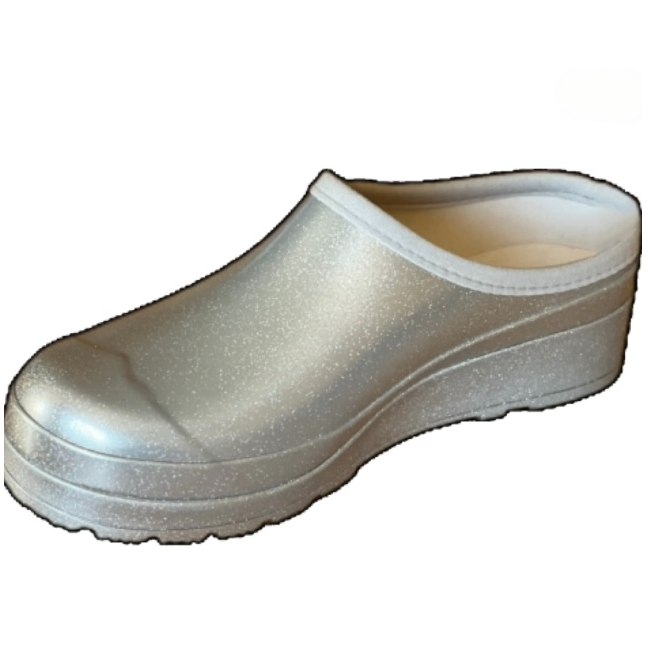
In the Patcus chef boots, the slip-resistant outsole is designed to grip wet, greasy floors, while a cushioned EVA insole works against fatigue. The split is deliberate: the outsole handles traction and durability, and the insole handles comfort, so neither has to compromise the other. The boots are also easy to clean and quick to slip on, which suits a workplace where footwear is washed down every day.
Three points matter when judging any kitchen outsole:
- Compound. Soft rubber suits grease. In humid, steamy kitchens, the hydrolysis risk of polyester-based PU is also worth weighing against its oil resistance.
- Tread. Look for patterns that shed water and fat without clogging and can be scrubbed clean quickly.
- Proof. Ask for whole-shoe test data instead of accepting a "non-slip" claim.
Outdoor work asks for something different. A wider, deeper tread suits mud, as in the garden boots built for wet grass and slopes.
What to Check before Ordering
- Match the compound to the surface: soft rubber for oily kitchen floors, deeper tread for mud.
- Ask for whole-shoe slip test data, not only a "non-slip" label.
- Check tread spacing and depth for cleaning needs.
- Confirm material type and storage conditions, especially for PU soles.
Conclusion
An outsole is far more than the bottom of a shoe. Its material sets grip, durability, and weight, its tread decides how it handles liquids and debris, and its chemistry determines how it ages on the shelf. Kitchens show this most clearly, because wet, greasy floors and long shifts demand grip and comfort from separate parts of the boot. Judging the outsole by environment, test data, and storage life leads to better footwear choices for wearers and buyers alike.
References
- What Is an Outsole? Your Complete Guide – Atoms
- A Deep Dive into Shoe Outsoles – Vionic
- Hydrolysis, the Crumbling of Shoe Soles Explained – Safety Jogger
- Why Shoe Soles Disintegrate and How to Prevent It – Impakter
- Stand Your Ground – Occupational Health & Safety
- New ASTM Standard Provides Aid in Measuring Footwear Slip Resistance – ASTM International